July 22, 2026
Back to News
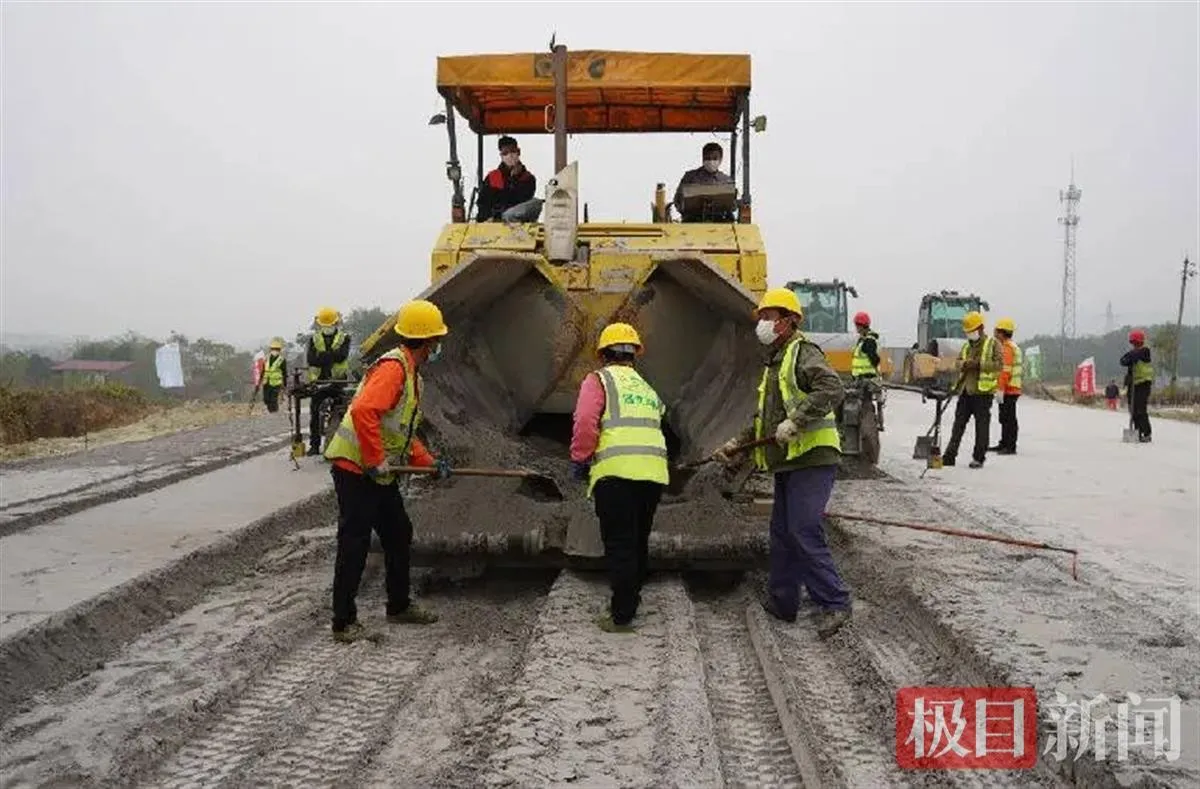
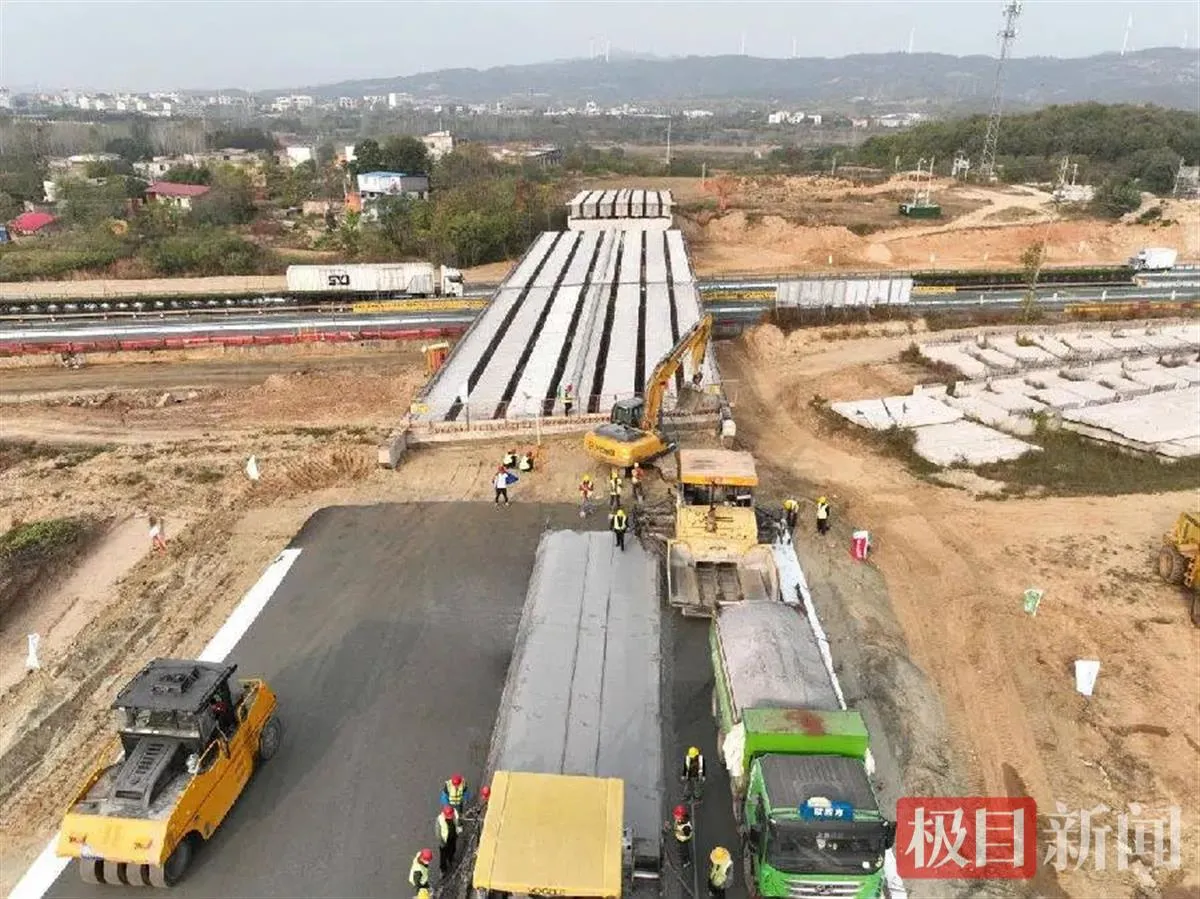
On November 21, at the first contract section of the Beijing-Hong Kong-Macau Expressway expansion project in Hubei, truckloads of phosphogypsum base course mixture were poured into the trough, mixed, and dispersed over the roadbed. The trial paving of phosphogypsum subbase achieved complete success.
This marks the first use of phosphogypsum in high-grade highway construction in Hubei Province, achieving a new breakthrough in phosphogypsum harmless treatment and comprehensive utilization in Dawu County, Xiaogan City.
“This paving employs a 90% high-blend phosphogypsum mixture. Compared to traditional cement-stabilized crushed stone and other materials, it offers superior freeze-thaw resistance and water resistance while significantly reducing construction costs,” stated Chen Jiang, phosphogypsum road application engineer at Hubei Road & Bridge Group.
Phosphogypsum is an acidic solid waste generated from the wet-process phosphoric acid production. Its comprehensive utilization has long been a global challenge. Huangmailing Phosphate Chemical Company, a subsidiary of Hubei LianTou Huangmailing Holding Group, currently holds approximately 22 million tons of phosphogypsum inventory.
Huangmailing Phosphate Chemical Company has prioritized shifting from “resource-driven” to “innovation-driven” development, treating phosphogypsum harmless treatment and comprehensive utilization as top priorities. By leveraging phosphogypsum’s unique properties, the company has successfully applied it in road construction, achieving resource recovery from industrial solid waste.
With support from Hubei Communications Investment Group and Hubei Provincial Transportation Planning and Design Institute, Huangmailing Holding Group collaborated with LianTou Hubei Road & Bridge to develop a novel technology enabling high-volume phosphogypsum incorporation into cement-stabilized subbases. This breakthrough demonstrates significant scientific value and promising application prospects.
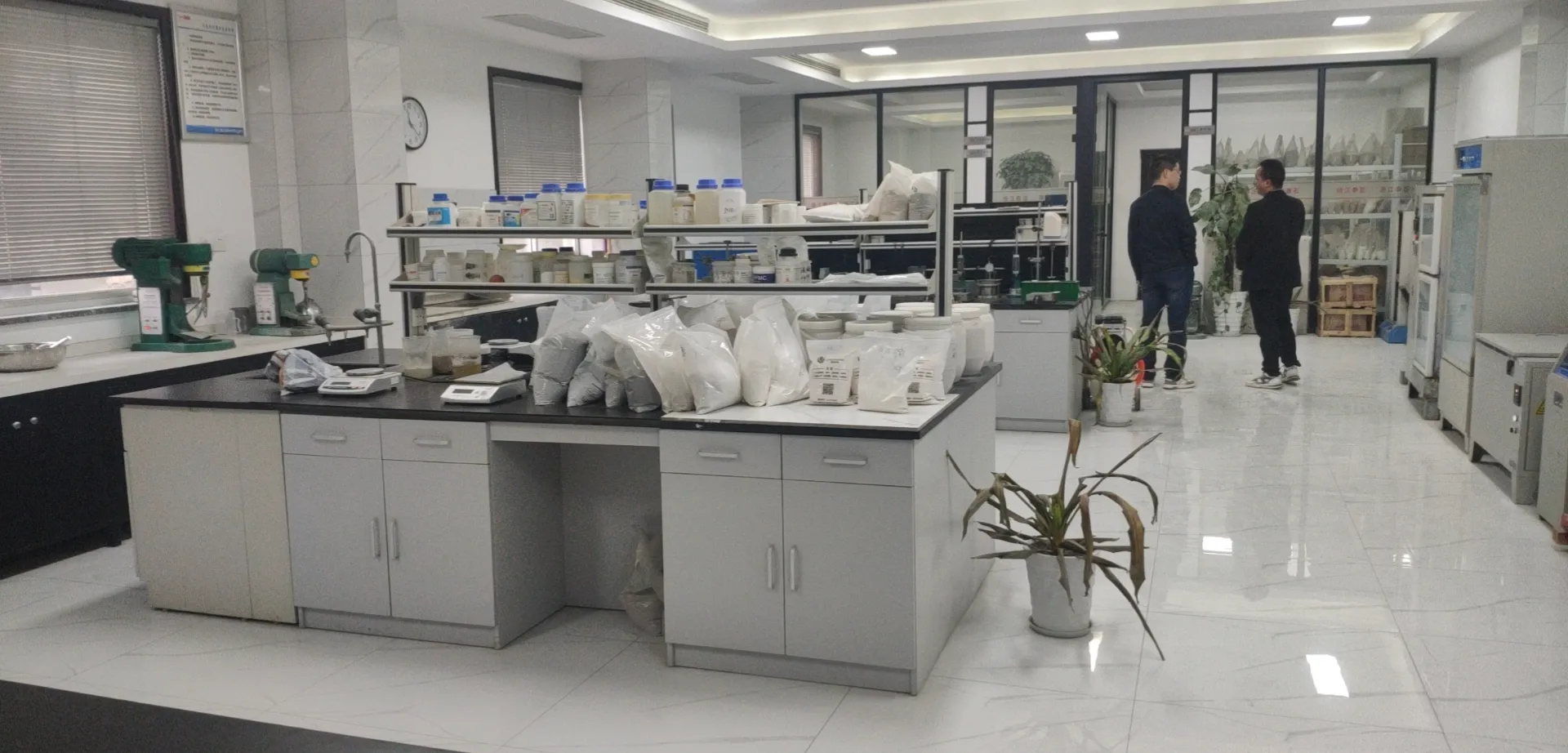
Through scientific construction mix design, phosphogypsum undergoes crushing, metering, cement and curing agent addition, and secondary mixing to serve as a road base material. It replaces traditional cement-stabilized crushed stone, enhancing base durability while consuming thousands of tons of phosphogypsum per kilometer. This boosts phosphogypsum utilization rates, reduces consumption of conventional crushed stone and cement in road construction, and transforms waste into valuable resources.
According to reports, the successful paving of the trial section for the Beijing-Hong Kong-Macau Expressway Expansion Project Section 1 will provide reliable data support for the widespread adoption of this technology. Calculated based on a six-lane expressway configuration, one kilometer of road can consume 20,000 tons of phosphogypsum. Its large-scale application in expressway construction holds highly promising prospects, stated Lin Kang, Director of the Technology R&D Center at Hubei Road & Bridge Group.
In recent years, Dawu County in Xiaogan City has driven the phosphogypsum utilization industry toward green, low-carbon, and high-quality transformation.
To date, Huangmailing Company has invested 60 million yuan in a new 300,000-ton-per-year phosphogypsum harmless utilization project. This facility employs calcination technology to produce construction gypsum, self-leveling mortar, plastering gypsum, and other phosphogypsum-based products. This year, the company also launched a 140-million-yuan investment in a new energy industry project— a battery-grade monoammonium phosphate plant. Hubei Juhai Environmental Technology Co., Ltd. has invested 500 million yuan in Yangping Town to establish a 210-acre phosphogypsum technology industrial park featuring four production lines with an annual processing capacity of 1 million tons of phosphogypsum. By advancing the greening, digitalization, and high-quality development of traditional industries, the county continuously explores new pathways and technologies in phosphorous chemical engineering, fine chemicals, energy conservation and environmental protection, and new materials. This effort aims to build a comprehensive, high-end phosphorous chemical industry chain, achieving a win-win outcome for both economic and social benefits.