August 19, 2026
Back to News
If you ask a veteran technician at a concrete mixing plant what the industry has changed over the years, he might not talk about policies, but rather tell you: Materials are becoming increasingly “difficult to handle.”
It’s not that technology has regressed, but that raw materials have changed.

I. An Ongoing Fact: Raw Materials are Downgrading
Natural sand and gravel are becoming increasingly scarce, leading to a higher proportion of manufactured sand, tailings sand, and recycled aggregates being used. These materials have irregular particle shapes, high powder content, and fluctuating water absorption rates, placing higher demands on the adaptability of concrete admixtures.
The cement industry is also changing. To reduce costs and increase efficiency, companies are adjusting the types and proportions of admixtures more frequently. The cement used today may not be the same formula as the cement used last week.
II. General-Purpose Products are Becoming Ineffective
In the past, a stable polycarboxylate superplasticizer could be adapted to various materials. But now, manufactured sand has a higher powder content, requiring stronger dispersing capabilities; changing cement batches may require readjusting the molecular structure.
General-purpose products are becoming ineffective. This isn’t a problem with the products themselves, but rather a change in the environment.
What customers really need is no longer a product manual, but a set of technical services that can be adapted to their needs.
III. Huaxuan High Tech’s Solution: File First, Adapt Then
Faced with this change, Huaxuan High Tech has developed a different service model.
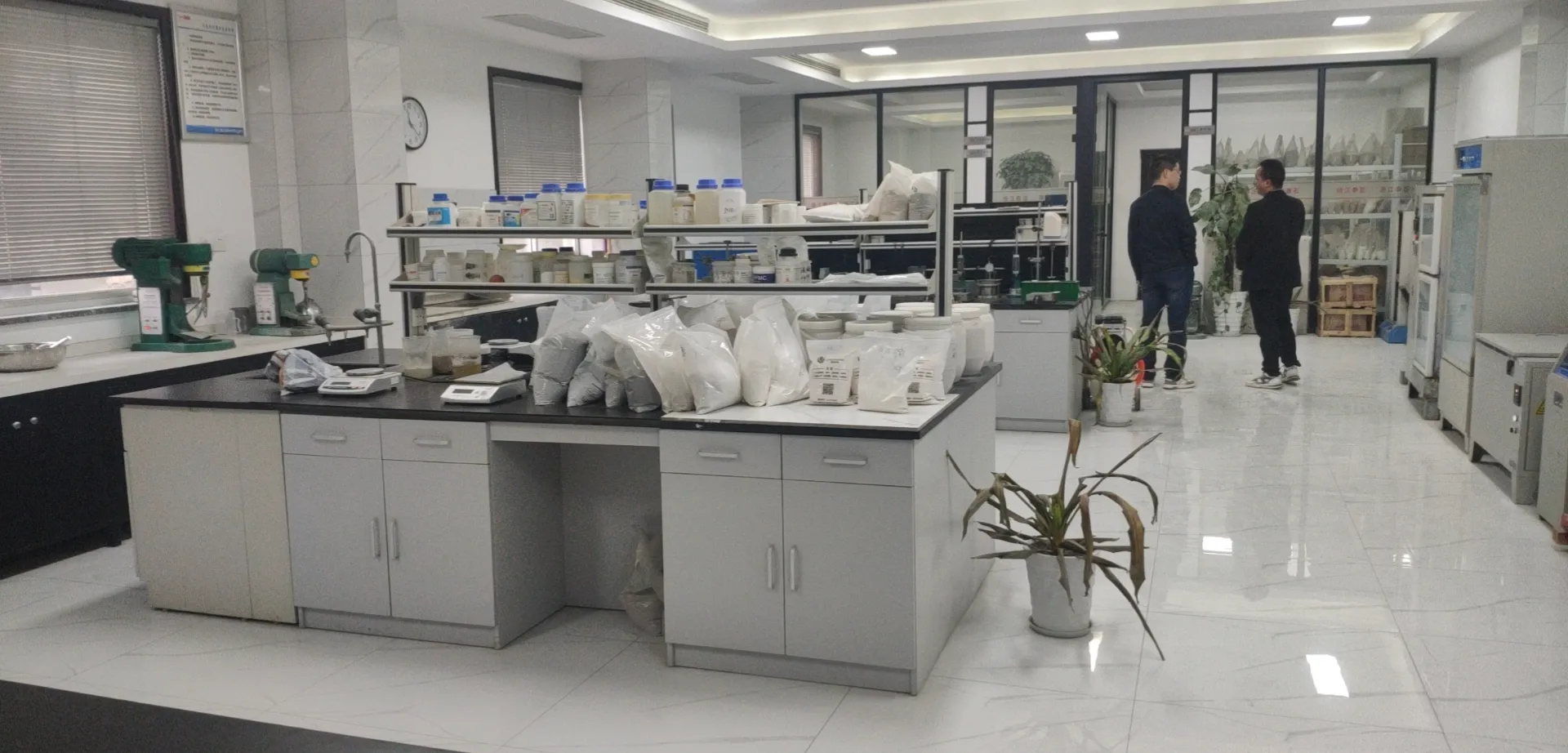
Before collaborating with each new client, Huaxuan High Tech’s technical team first does one thing: create a file for the client’s raw materials. Where does the sand and gravel come from? What is the powder content? Which manufacturer and batch number is the cement from? The formula remains unchanged until these questions are clarified.
With the file, technicians conduct small-scale tests based on the characteristics of each batch of materials to find the optimal polycarboxylate superplasticizer formula and dosage. If the client changes materials midway, the process is repeated.
A manager of a long-term commercial concrete plant said, “The people at Huaxuan High Tech know our material situation better than we do. Sometimes we haven’t even noticed the sand has changed, and they’ve already reminded us to adjust the formula.”
IV. What is the value of this model?
Raw materials can change, but the state of the concrete cannot. Through continuous tracking and adjustment, Huaxuan High Tech helps clients reduce slump fluctuations, lower waste rates, and ensure smooth construction.
For Huaxuan High Tech, every customer’s on-site data and every formula adjustment record feeds back into product iteration. They don’t work in isolation in a lab; they conduct R&D on customer construction sites.
The concrete admixture industry is undergoing an invisible upgrade: standards are higher, raw materials are more complex, and customers are more knowledgeable.
These changes combined are redefining the standards of a good product: not just having the most impressive performance parameters, but being able to reliably solve problems under complex and ever-changing on-site conditions.
Huaxuan High Tech has chosen a pragmatic path: understanding each customer’s materials thoroughly, accurately formulating each batch of products, and providing excellent service every time.