
TPEG Polyether Monomer for Polycarboxylate Superplasticizer
✓ TPEG polyether monomer for PCE superplasticizer synthesis
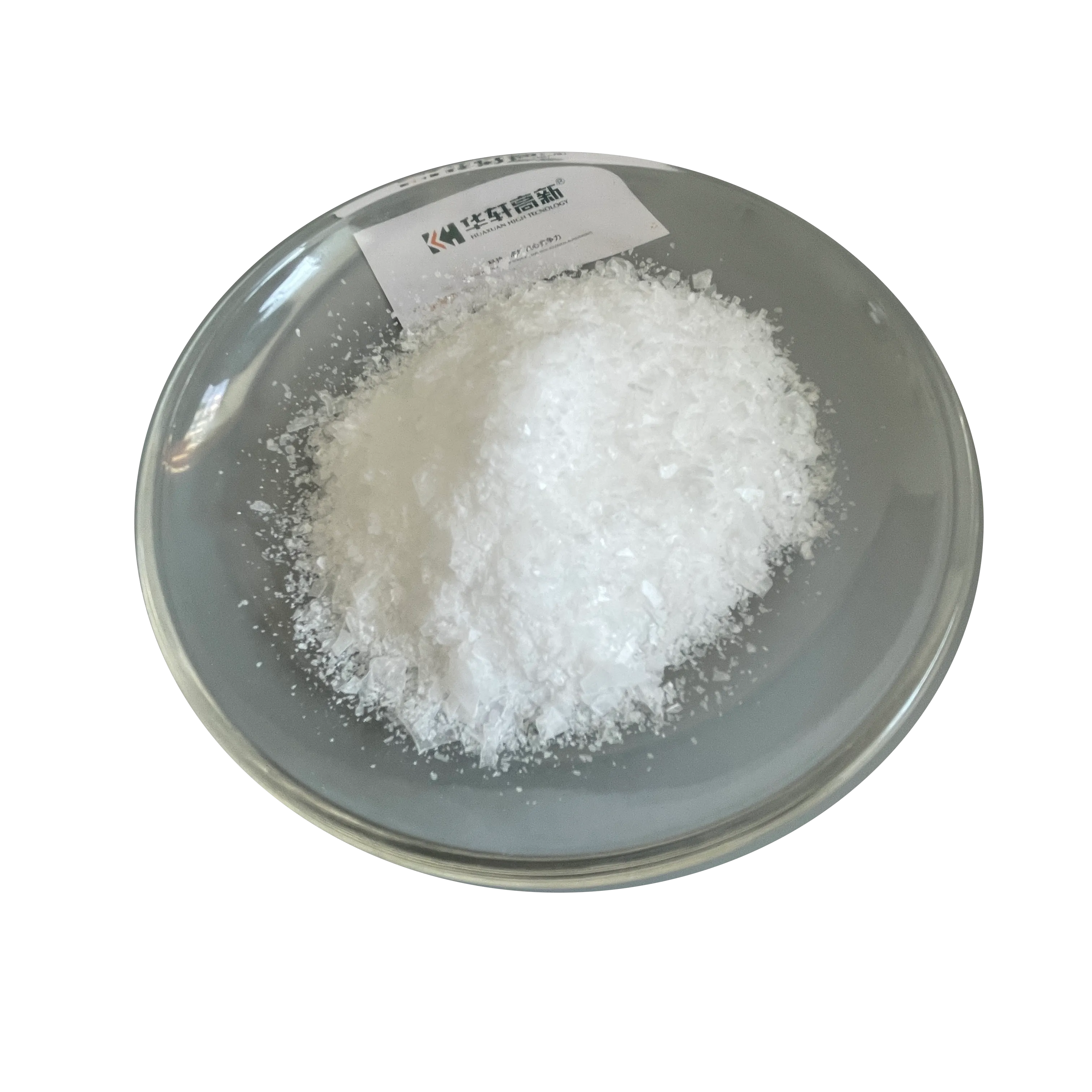
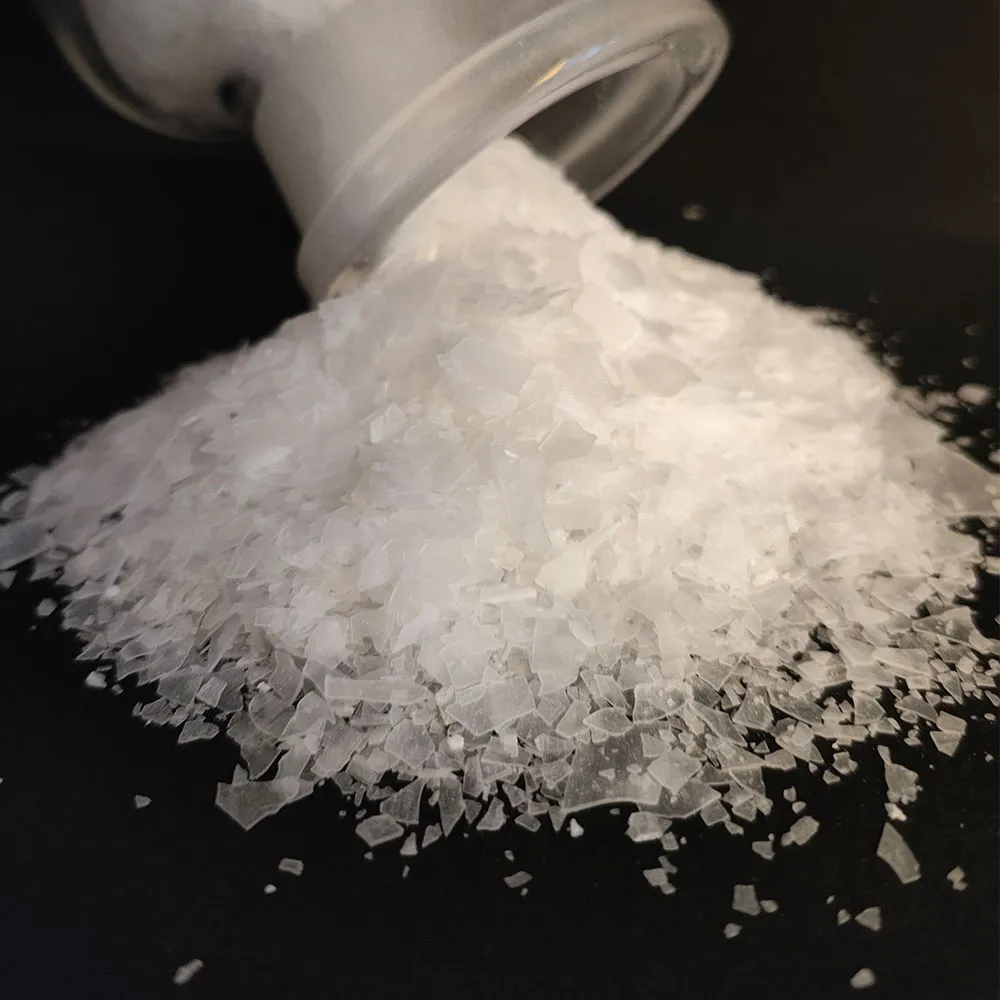
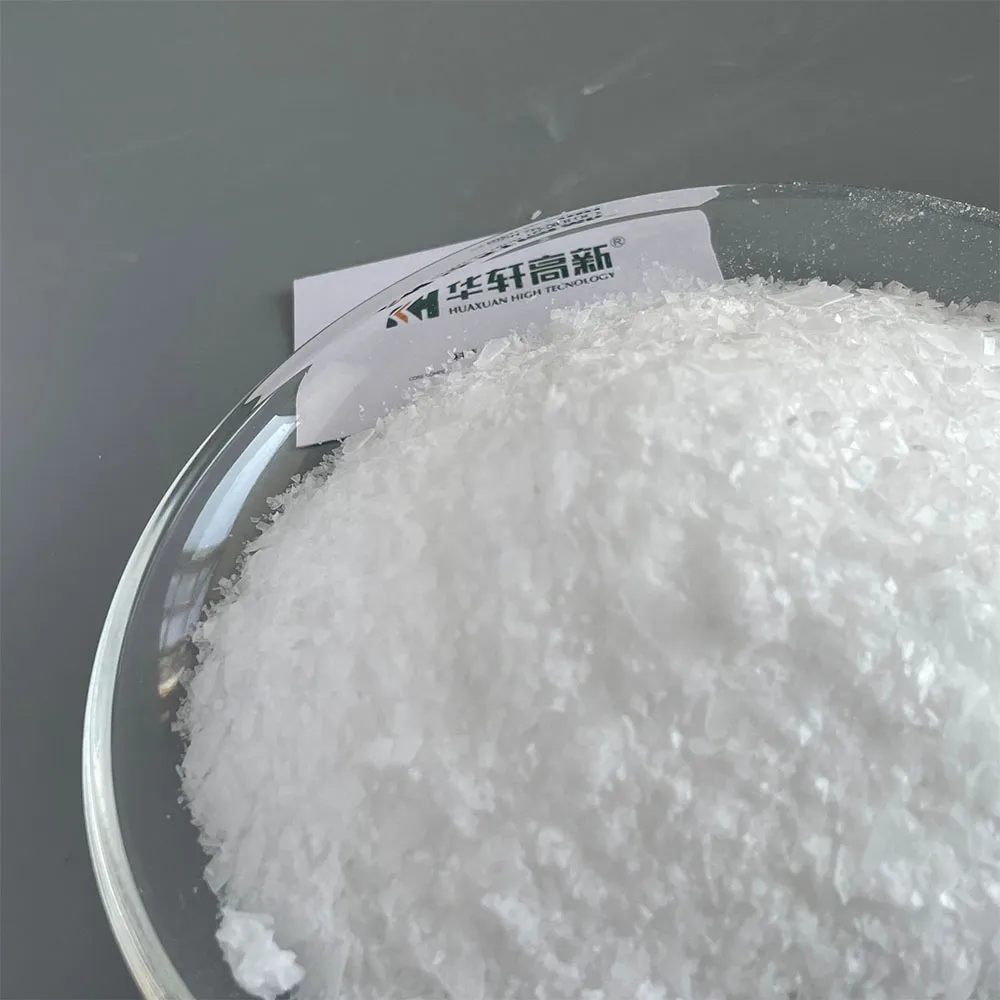
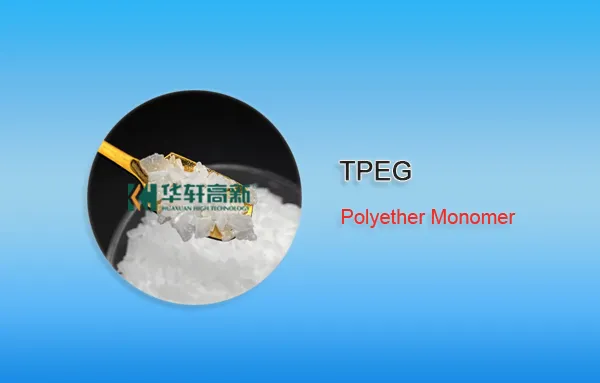
✓ White to light-yellow flakes
✓ Hydroxyl value: 21.6–25.0 mg KOH/g
✓ Iodine value: ≥9.6 g I₂/100 g
✓ Double-bond retention rate: ≥92%
✓ Supports high water-reduction and slump-retention PCE designs
Product Preview
TPEG, or isoprenol polyethylene glycol ether, is a reactive polyether monomer for PCE superplasticizer production. It is manufactured from isopentenol and ethylene oxide and provides the polyoxyethylene side chain used in the comb-shaped molecular structure of polycarboxylate ether polymers.
With a double-bond retention rate of at least 92%, TPEG supports efficient copolymerization in PCE formulations designed for strong water reduction and workability retention. The final performance is controlled by the full molecular design, synthesis conversion, formulation dosage and compatibility with the project cement.
Product Specifications
| Test Item | Specification |
|---|---|
| Appearance | White / light-yellow flakes |
| Hydroxyl value (as KOH) | 21.6–25.0 mg/g |
| pH value | 5.0–7.0 |
| Iodine value (as I₂) | ≥9.6 g/100 g |
| Double-bond retention rate | ≥92% |
Reactive Polyether Macromonomer
TPEG provides a reactive terminal group for copolymerization and a long polyoxyethylene chain that becomes the steric side chain of the finished PCE.
High Double-Bond Retention
The ≥92% double-bond retention specification supports effective macromonomer incorporation and consistent polymer synthesis.
Water-Reduction Potential
TPEG-based molecular designs can create strong cement-particle dispersion and reduce mixing-water demand. The actual result depends on polymer architecture and concrete conditions.
Slump-Retention Flexibility
By adjusting acid ratio, molecular weight and functional comonomers, producers can use TPEG to balance initial flow with workability retention.
Adaptable Production Platform
TPEG can be used in multiple PCE recipes for ready-mix, precast and high-performance concrete after formulation optimization.
High-Range Water-Reducing PCE
TPEG is a core raw material for PCE products designed to achieve high concrete flow at a lower water-binder ratio.
Slump-Retaining PCE
Suitable molecular design can use TPEG to support longer workability during ready-mix transport, pumping and placement.
Ready-Mix Concrete Admixtures
TPEG-based PCEs can be formulated for commercial concrete requiring a balance of water reduction, pumpability and retention.
Precast and High-Strength Concrete
High initial dispersion can support rapid mold filling and low water-binder ratio mixtures when the final PCE is optimized.
Customized PCE Blends
Producers may combine compatible PCE components to tune water reduction, retention and cement adaptability after testing.
What is TPEG?
TPEG is an isoprenol-based polyether macromonomer used to synthesize polycarboxylate ether superplasticizers.
Is TPEG a finished superplasticizer?
No. It is a PCE raw material and must be copolymerized into a finished polymer before concrete use.
Why is double-bond retention important?
The reactive double bond is required for copolymerization. A retention rate of at least 92% supports effective use of the supplied monomer.
Does TPEG always provide long slump retention?
No. Retention depends on the full polymer structure, acid ratio, functional groups, dosage, cement and temperature.
Can TPEG be used for high water-reduction PCE?
Yes. It is widely used as the polyether component in high-range PCE designs, subject to process and concrete testing.
How does TPEG differ from HPEG and EPEG?
They have different terminal structures and specification profiles. Compare HPEG and EPEG through controlled synthesis and performance tests.
What incoming checks are recommended?
Check appearance, hydroxyl value, pH, iodine value and double-bond retention against the purchase specification.
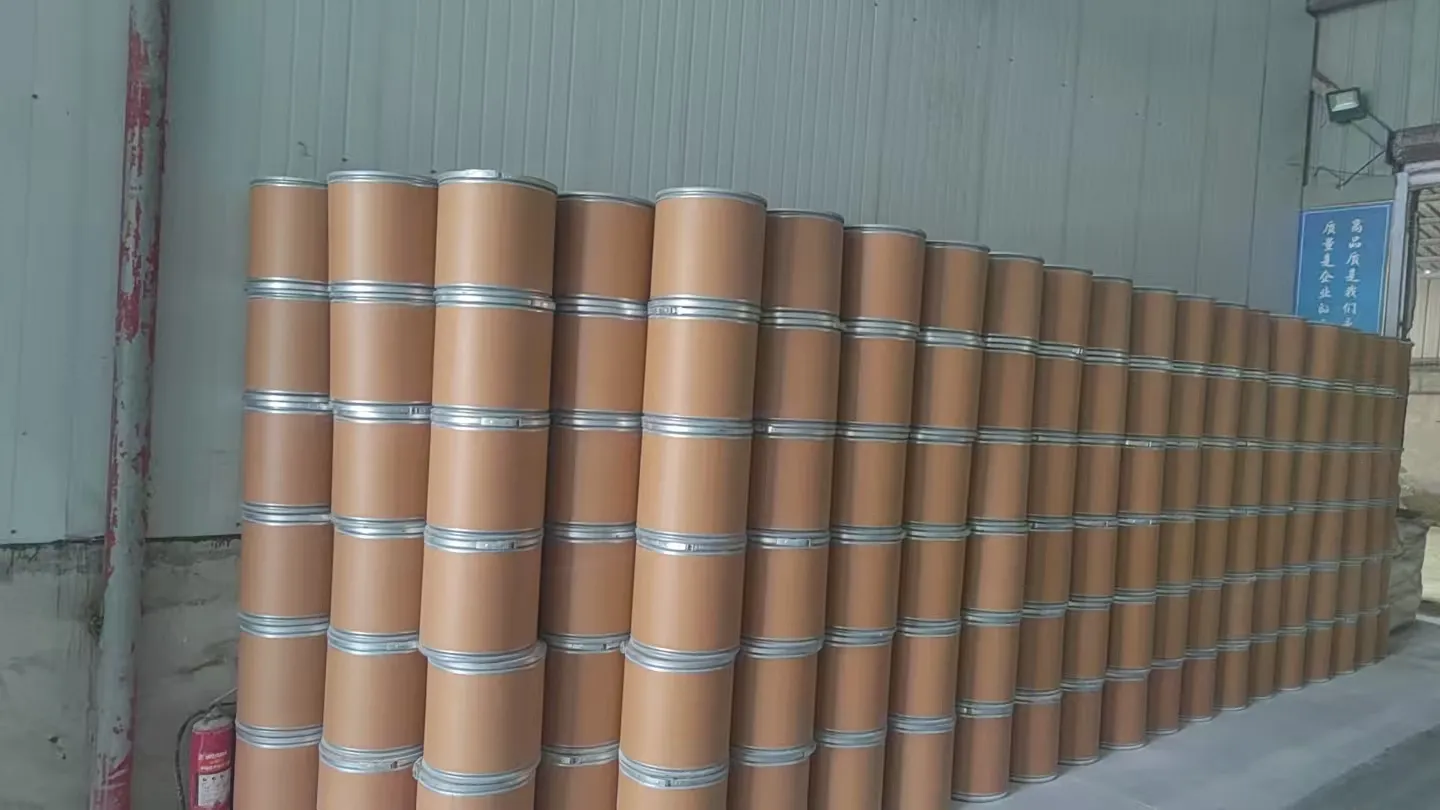
Standard packaging options are 25 kg bags and 500 kg bulk bags. Customized packaging can be discussed for order and logistics requirements.
Store in a cool, dry and ventilated place away from direct sunlight and extreme temperatures. Keep bags sealed against moisture. The stated shelf life is one year under suitable storage conditions.
Use TPEG as the reactive polyether macromonomer in a validated PCE synthesis process. Charge or dissolve the material according to the plant formula, then copolymerize it with the selected acid monomers using the approved initiation and molecular-weight-control system.
Optimize monomer ratio, feed sequence, temperature, solids and pH in laboratory and pilot trials. Confirm conversion, storage stability and concrete performance before full-scale production.
leave a message
If you are interested in our products and want to know more details, please leave a message here, we will reply you as soon as we can.
You may also like

Need More Information?
Our technical team is ready to assist you with product selection, dosage recommendations, and custom formulations.