
EPEG Polyether Monomer for Polycarboxylate Superplasticizer
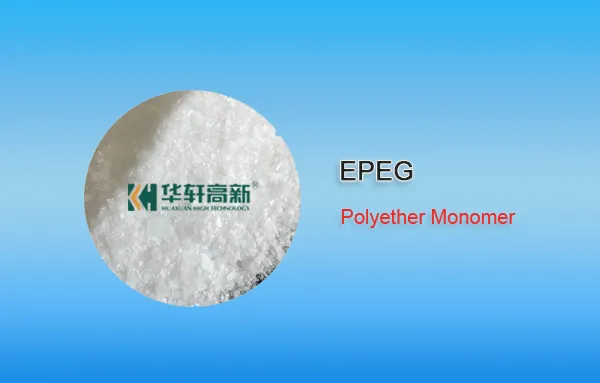
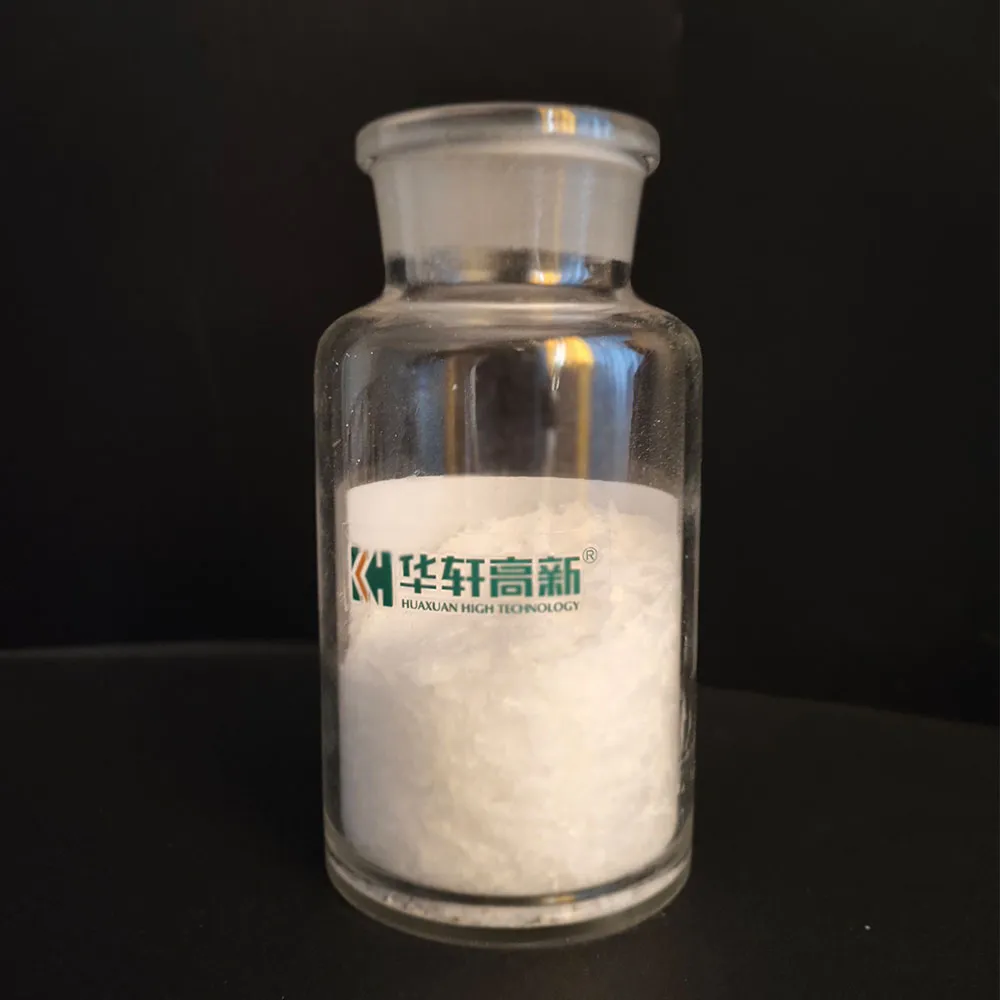
✓ EPEG polyether monomer for high-performance PCE synthesis
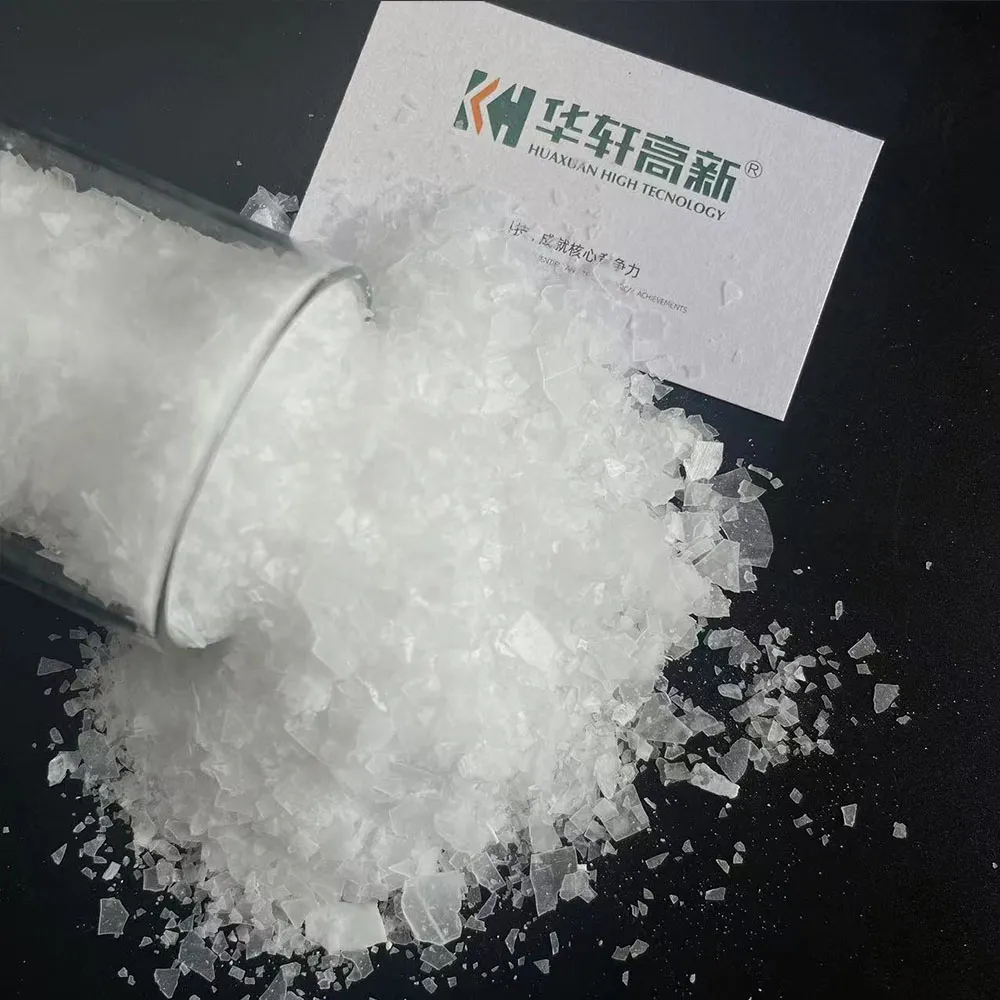
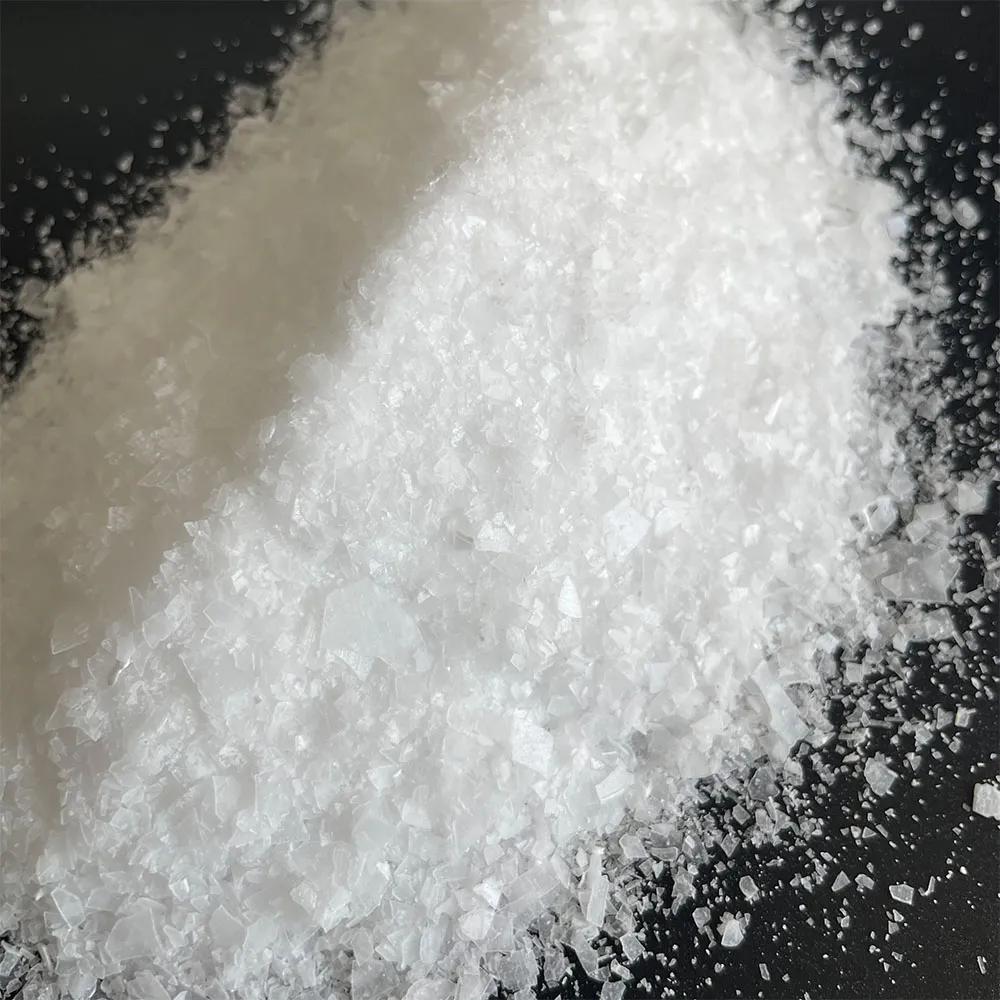
✓ White to light-yellow solid with high water solubility
✓ Hydroxyl value: 17.2–20.2 mg KOH/g
✓ Double-bond retention rate: ≥90%
✓ Supports water-reducing and slump-retaining PCE designs
✓ Can support low-temperature synthesis processes above 5°C
Product Preview
EPEG is an ethylene-glycol monovinyl polyethylene glycol used as a reactive polyether monomer for polycarboxylate superplasticizer production. Its vinyl group participates in copolymerization, while the polyoxyethylene chain becomes the steric side chain of the resulting PCE polymer.
The combination of water solubility, ≥90% double-bond retention, and low-temperature process potential makes EPEG suitable for formulating PCEs that target both water reduction and workability retention. Final PCE performance depends on the complete recipe, initiator system, monomer ratio, molecular-weight control and cement compatibility.
Product Specifications
| Test Item | Specification |
|---|---|
| Appearance | White / light-yellow solid |
| Hydroxyl value (as KOH) | 17.2–20.2 mg/g |
| pH value | 8.0–11.0 |
| Water | ≤0.5% |
| Double-bond retention rate | ≥90% |
High Reactivity for PCE Copolymerization
The terminal vinyl group allows EPEG to copolymerize with acrylic monomers, while the polyoxyethylene chain provides the side-chain structure needed for cement-particle dispersion.
Water Reduction and Slump-Retention Potential
EPEG can be used to design PCE polymers that balance initial water reduction with workability retention. The outcome depends on formulation and process control rather than the monomer alone.
Low-Temperature Processing Potential
Suitable process designs can react EPEG at temperatures above 5°C without external heating. This may simplify production and reduce energy demand, subject to the selected initiation system.
Consistent Side-Chain Incorporation
A double-bond retention rate of at least 90% supports effective incorporation of the polyether macromonomer into the PCE backbone.
Broad Formulation Flexibility
Producers can adjust acid-to-polyether ratio, chain-transfer control and functional comonomers to target different concrete performance profiles.
High Water-Reduction PCE
EPEG can serve as the main polyether macromonomer in PCEs designed to reduce mixing-water demand in ready-mix, precast and high-performance concrete.
Slump-Retaining PCE
Appropriate molecular design can use EPEG to produce polymers that maintain concrete workability during transport and placement.
Room- and Low-Temperature PCE Production
EPEG is suitable for redox-initiated processes that operate at relatively low temperatures, helping manufacturers simplify heating requirements.
Compound PCE Systems
EPEG-based polymers may be blended with other compatible PCE components to balance water reduction, retention and cement adaptability after testing.
Customized Concrete Admixtures
Admixture producers can vary comonomers and process conditions to develop products for ready-mix, precast or specialty concrete.
What is EPEG?
EPEG is a vinyl-functional polyether macromonomer used to synthesize polycarboxylate ether superplasticizers.
Is EPEG itself a ready-to-use concrete admixture?
No. It is a raw material for PCE production and should not be dosed directly into concrete as a finished superplasticizer.
What does double-bond retention mean?
It indicates how much reactive unsaturation remains available for copolymerization. KH EPEG specifies a retention rate of at least 90%.
Can EPEG be processed without heating?
Some redox-initiated formulations can operate above 5°C without external heating. The process must still be validated for conversion, residual monomer and product stability.
Does EPEG guarantee a specific water-reduction rate?
No. PCE performance depends on molecular design, conversion, dosage, cement and the concrete mix.
How does EPEG differ from TPEG or HPEG?
The monomers have different terminal structures and specification profiles. Compare TPEG and HPEG through lab synthesis and concrete testing.
What should be checked on receipt?
Verify appearance, moisture, hydroxyl value, pH and double-bond retention against the agreed specification.
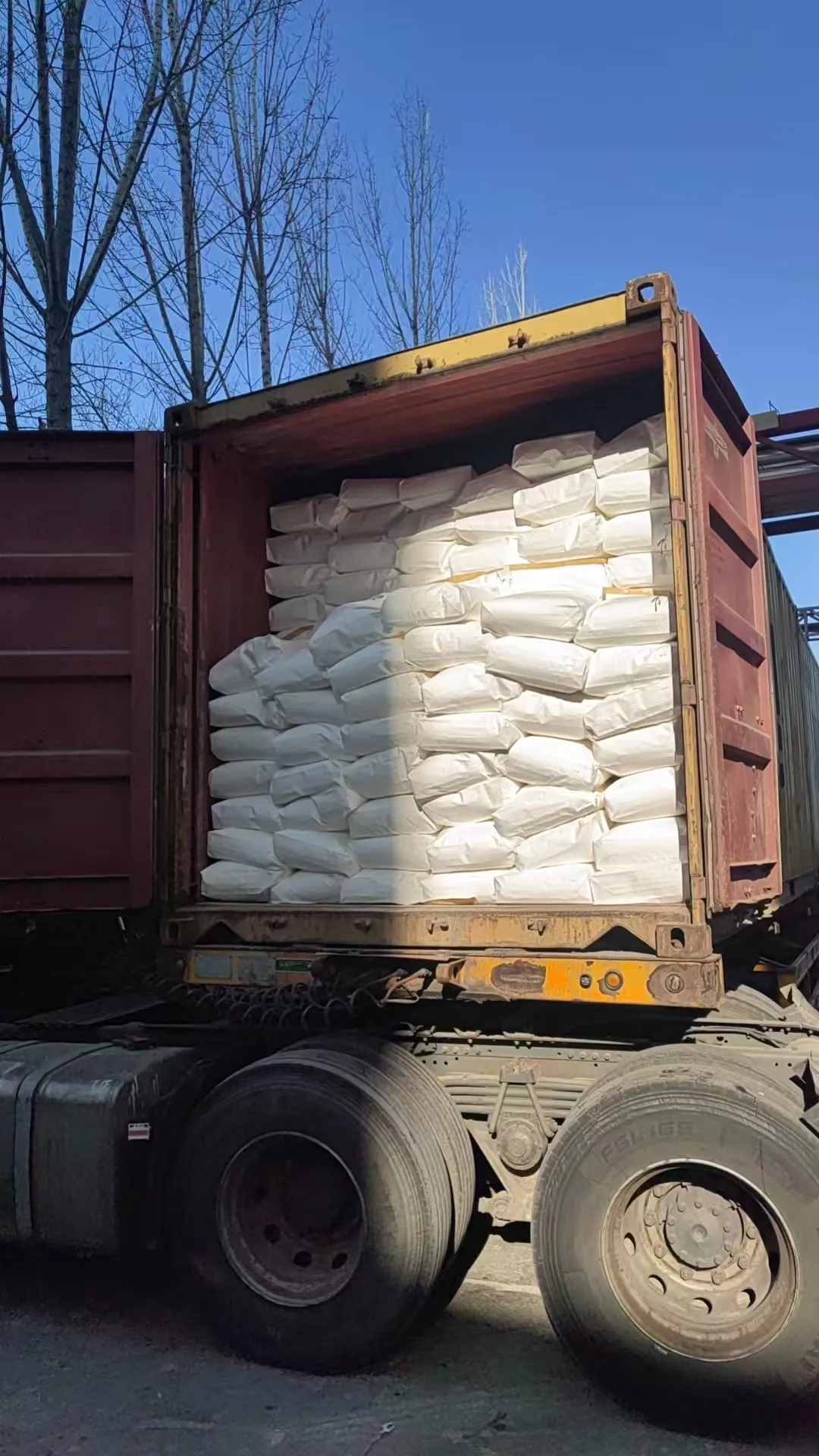
Standard options are 25 kg bags and 500 kg bulk bags; customized packaging may be available on request.
Store in a cool, dry and well-ventilated area away from direct sunlight and extreme temperatures. Keep packaging sealed to prevent moisture pickup. The stated shelf life is one year under suitable storage conditions.
EPEG is used as a reactive polyether macromonomer in PCE synthesis. Dissolve or charge it according to the validated plant formulation, then copolymerize it with the selected unsaturated acid monomers under the approved initiator and chain-control system.
Do not apply a universal recipe. Optimize solids, monomer ratio, feed time, temperature, pH adjustment and post-treatment through controlled laboratory and pilot trials. Confirm conversion, stability and concrete performance before commercial production.
leave a message
If you are interested in our products and want to know more details, please leave a message here, we will reply you as soon as we can.
You may also like

Need More Information?
Our technical team is ready to assist you with product selection, dosage recommendations, and custom formulations.