July 22, 2026
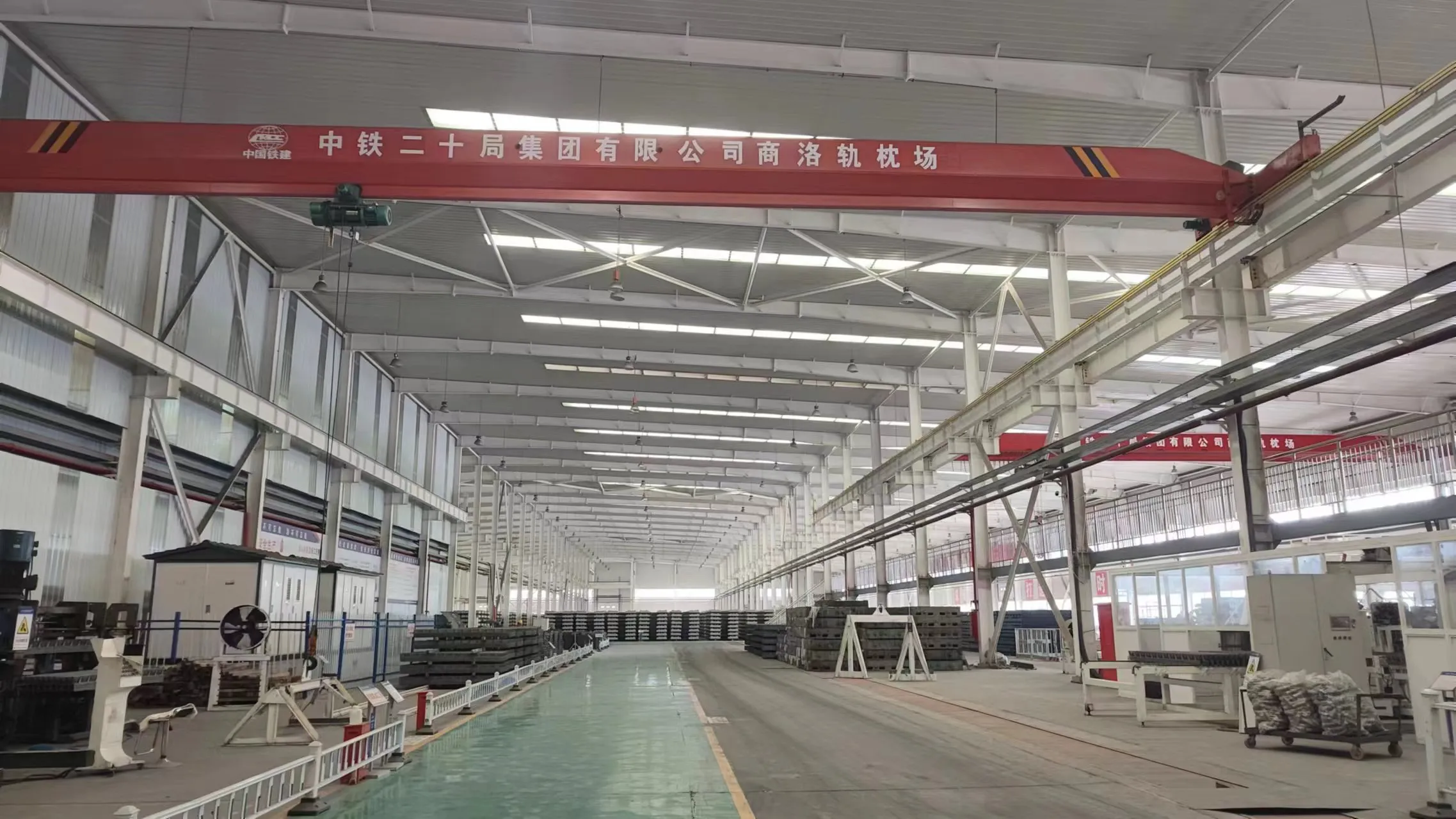
1. Introduction: Innovation in the Modern Construction Industry
The construction industry is moving toward faster, smarter, and more sustainable building methods.
As digital design, automated manufacturing, and modular construction continue to develop, precast concrete has become an important solution in modern construction.
By combining factory production with on-site assembly, precast concrete improves construction efficiency, quality consistency, and project delivery speed. It allows structural components to be manufactured in a controlled environment and installed efficiently on site.
To help you better understand precast concrete and its role in modern construction, this article covers the complete process, materials, advantages, structural types, and practical applications, including:
- What is precast concrete?
- The core differences between precast concrete and cast-in-place concrete.
- The history of precast concrete.
- How is precast concrete made?
- The materials used in precast concrete
- The main benefits of precast concrete
- The different types of precast concrete structures
- The most common applications of precast concrete
- The disadvantages and limitations of precast concrete
- Conclusion
By understanding these key areas, you can better evaluate how precast concrete works, where it performs best, and whether it is the right construction solution for your project.
What is Precast Concrete?
Precast concrete is a construction material and building method in which concrete is poured into reusable molds, cured under controlled factory conditions, and formed into finished structural components before being transported to the construction site.
Unlike traditional on-site concrete pouring, precast concrete is manufactured in advance, allowing better control over strength, quality, and dimensional accuracy.
After the curing process is completed and the concrete reaches its required design strength, the finished components are delivered to the construction site for installation.
Large lifting equipment, such as cranes, is used to place and connect these components into the final structure, making the construction process faster and more efficient.
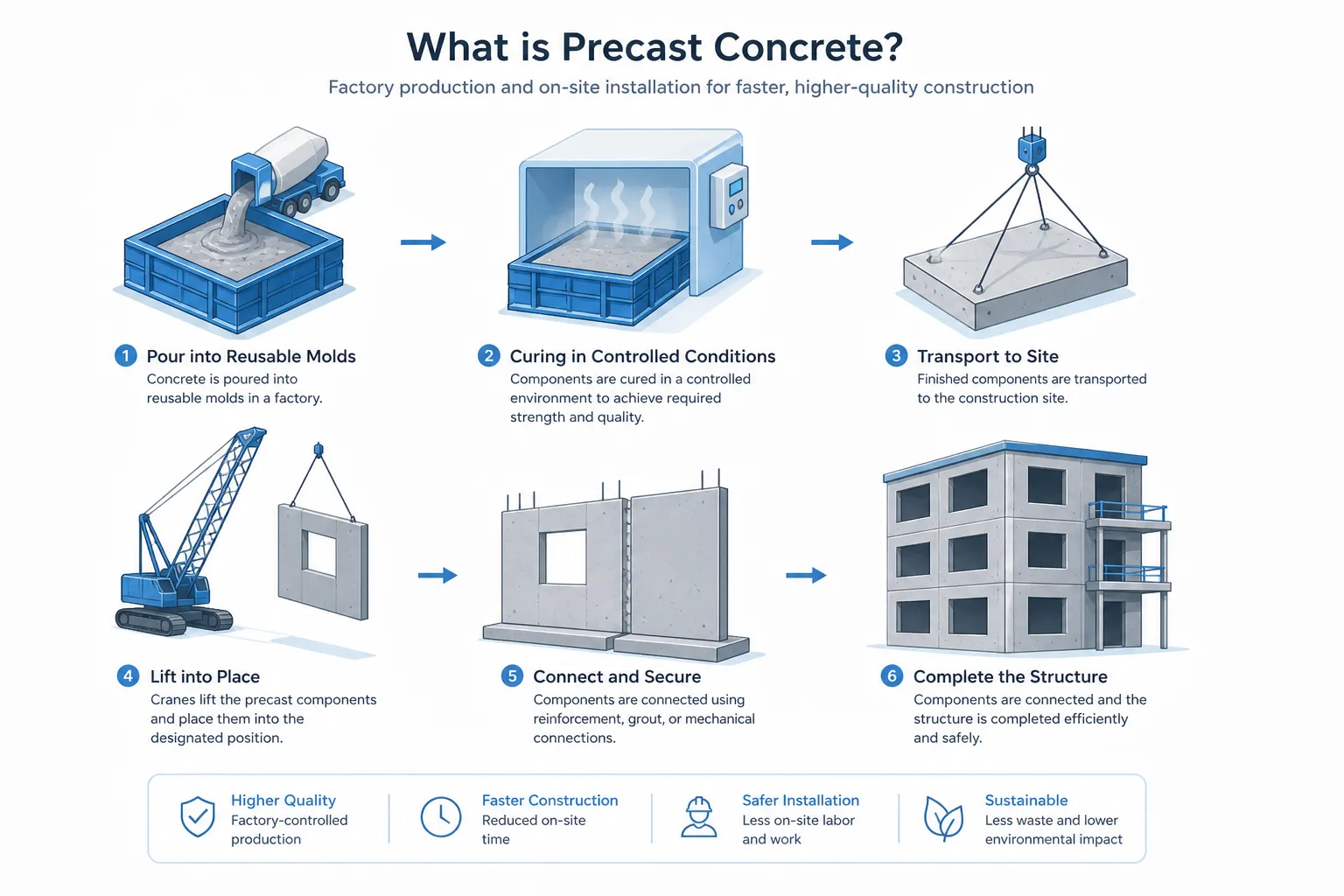 Precast concrete production and installation process from factory casting to on-site structural assembly
Difference Between Precast Concrete and Cast-in-place Concrete
Precast concrete and cast-in-place concrete differ mainly in production method, construction speed, and quality consistency.
Precast concrete is manufactured in a controlled factory environment, which provides higher dimensional accuracy, more stable quality control, and faster curing efficiency.
It can reduce on-site labor by 30%–60% and shorten overall project schedules by 20%–50% through parallel production and installation.
In contrast, cast-in-place concrete is produced directly on-site and is more dependent on weather conditions, labor skills, and temporary formwork systems.
While it offers greater flexibility for irregular or customized structures, it usually requires longer construction cycles, higher labor input, and more material waste.
For large-scale, repetitive, and time-sensitive construction projects, precast concrete offers better efficiency, consistency, and long-term cost control. For smaller or highly customized structures, cast-in-place concrete may still provide practical advantages in flexibility and lower transportation costs.
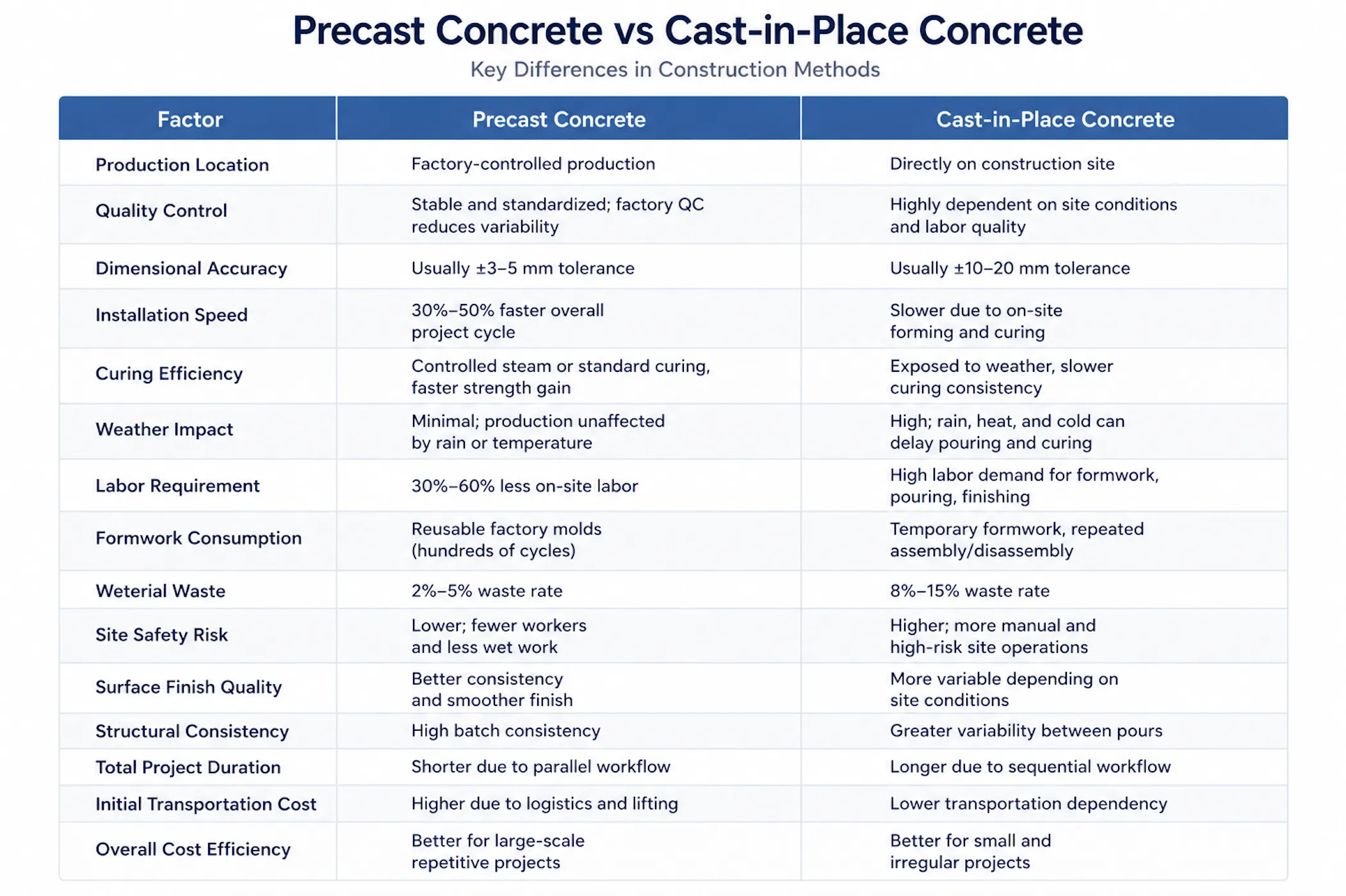 Comparison of precast concrete and cast-in-place concrete in production, curing, installation, labor, and cost efficiency
3. When was precast concrete invented
Precast concrete is not a modern invention. Its earliest origins can be traced back to ancient civilizations, especially the Romans, who used early concrete mixtures and wooden molds to form structural elements for aqueducts, tunnels, and underground systems. Historical evidence shows Roman concrete was widely used from around 300 BC, making it one of the earliest examples of precast-style construction
However, modern precast concrete as we know it today began in the early 20th century. In 1905, British engineer John Alexander Brodie developed one of the first modern precast panel systems in Liverpool, England, using reinforced concrete panels for housing and industrial buildings. This marked the beginning of industrialized precast construction.
The large-scale adoption of precast concrete accelerated after World War II, especially during the housing boom of the 1950s and 1960s. Faster construction, labor efficiency, and standardization made precast concrete an ideal solution for residential, commercial, and infrastructure projects.
Today, precast concrete has evolved into a global construction system supported by automation, BIM technology, high-performance admixtures, and sustainable material innovation.
How Is Precast Concrete Made?
The precast concrete manufacturing process follows a controlled and standardized workflow to ensure consistent quality and structural performance.
First, reusable molds are prepared based on the required component design, including dimensions, reinforcement placement, and embedded parts. These molds can be used repeatedly, improving production efficiency and reducing material waste.
Next, the concrete mix is poured into the mold. The mix usually includes cement, aggregates, water, and functional admixtures such as water reducers or early-strength additives to improve workability and strength development.
After pouring, the concrete enters the curing stage. Unlike cast-in-place concrete, precast concrete is cured in a controlled environment where temperature and humidity can be adjusted to accelerate strength gain and improve durability. Steam curing is commonly used in precast factories to shorten production cycles.
Once the concrete reaches the required design strength, the finished component is removed from the mold through the demolding process and prepared for transportation and on-site installation.
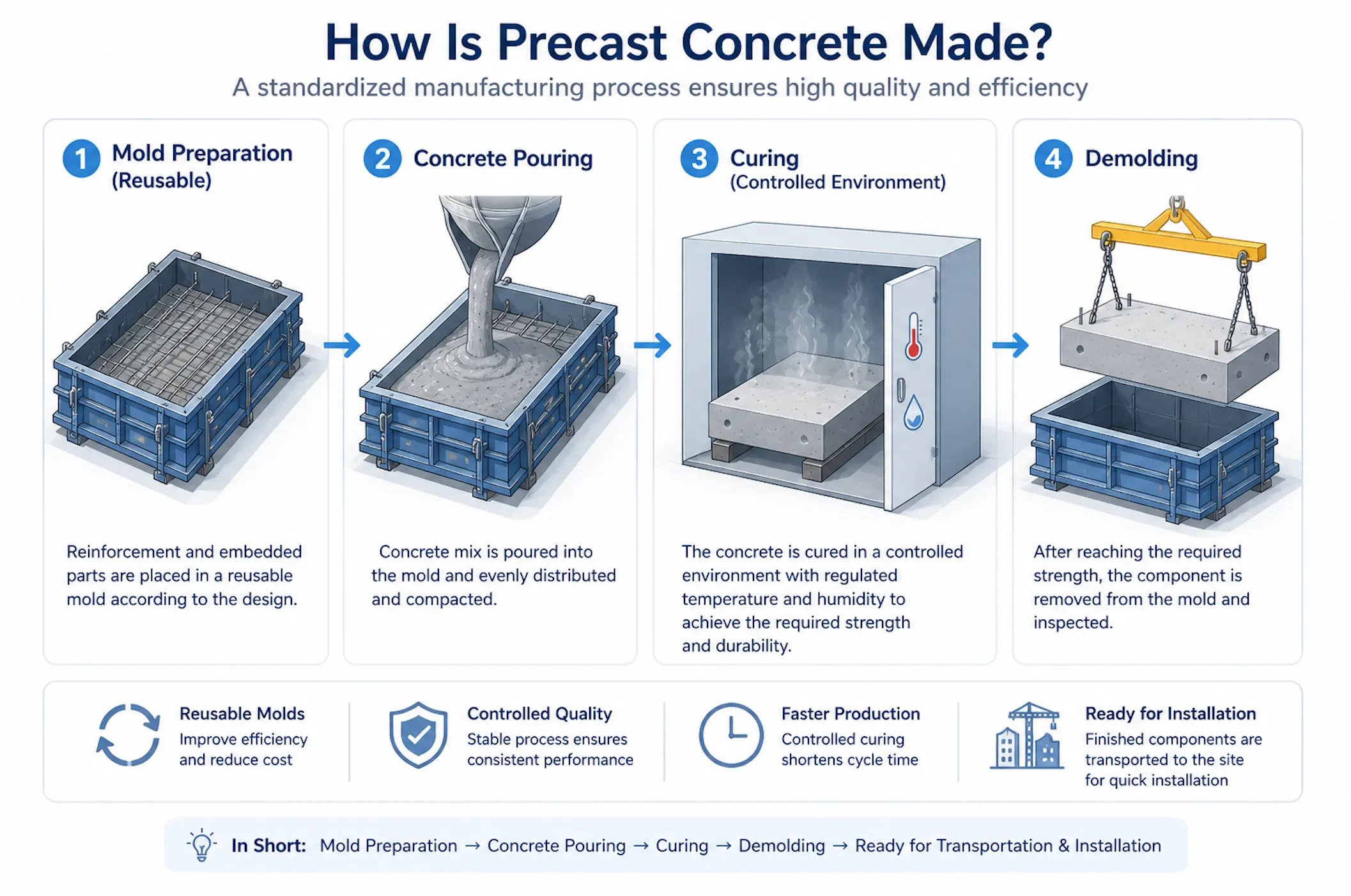 Standardized precast concrete manufacturing process from mold preparation to demolding
5. Materials Used in Precast Concrete
Precast concrete is not made from a single material. Its performance depends on a combination of basic materials and functional materials working together. Each material affects strength, durability, workability, and production efficiency.
5.1 Basic Materials
Cement
Cement is the main binder in precast concrete. It reacts with water to form the hardened structure and directly affects strength development, setting time, and durability. Ordinary Portland Cement is the most commonly used type in precast production.
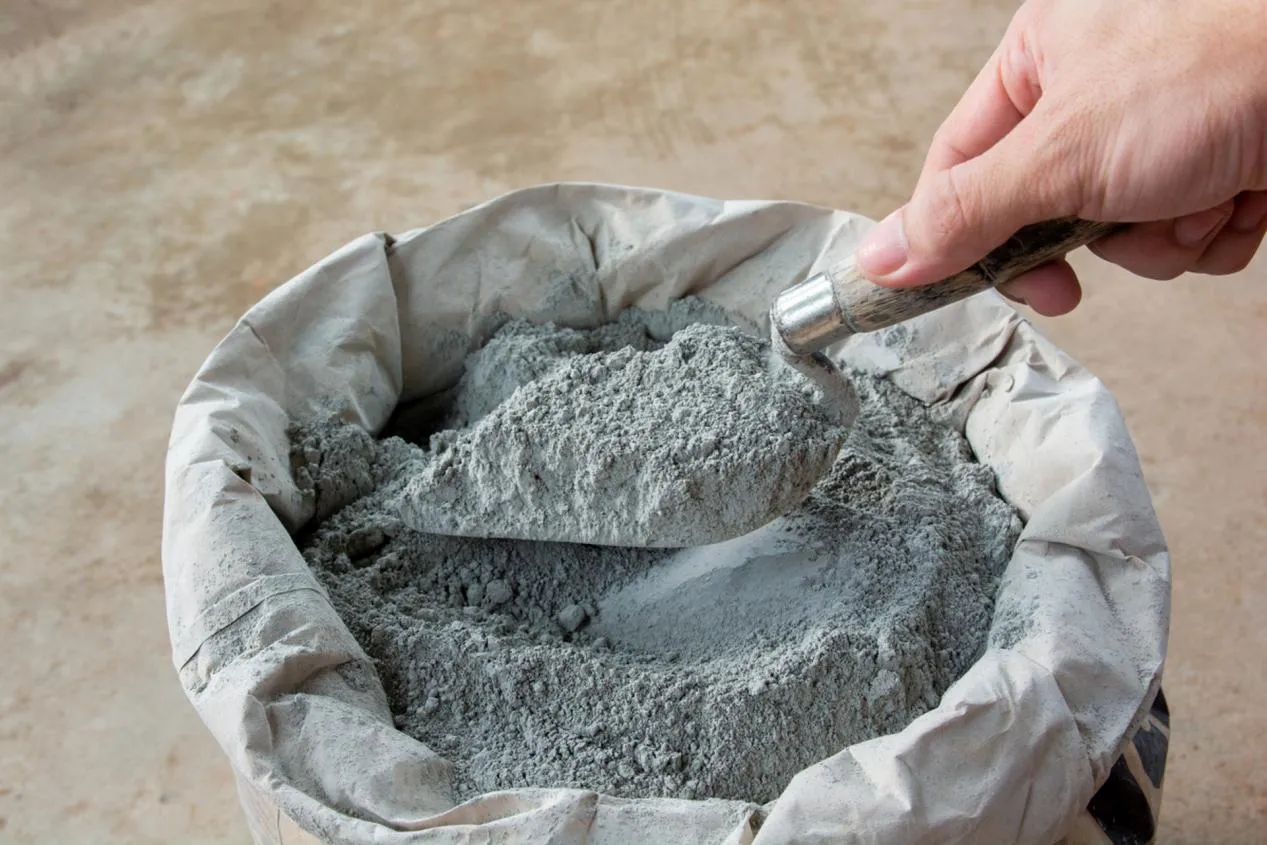 Portland cement powder used as the primary binder in precast concrete production
Water
Water initiates cement hydration and controls the workability of fresh concrete. Water quality and water-cement ratio are critical because excessive water reduces strength and increases shrinkage.
SCMs (Supplementary Cementitious Materials)
SCMs are used to replace part of the cement, improve performance, and reduce cost and carbon emissions.
Common SCMs include:
Silica Fume
Silica fume improves density, strength, and impermeability. It is widely used in high-strength precast components.
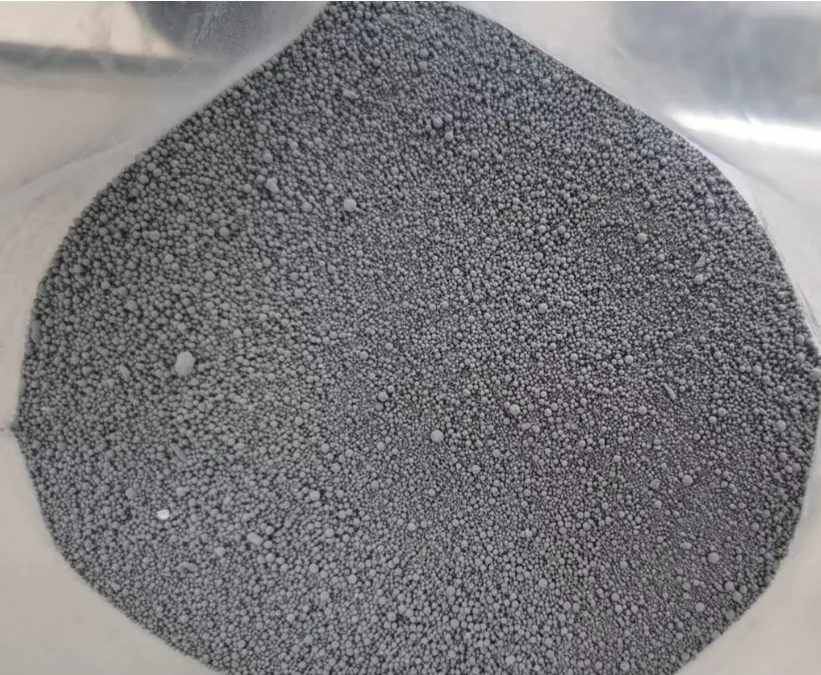 Silica fume used as supplementary cementitious material for high-strength precast concrete
Fly Ash
Fly ash improves workability and long-term durability while reducing heat generation and cement consumption.
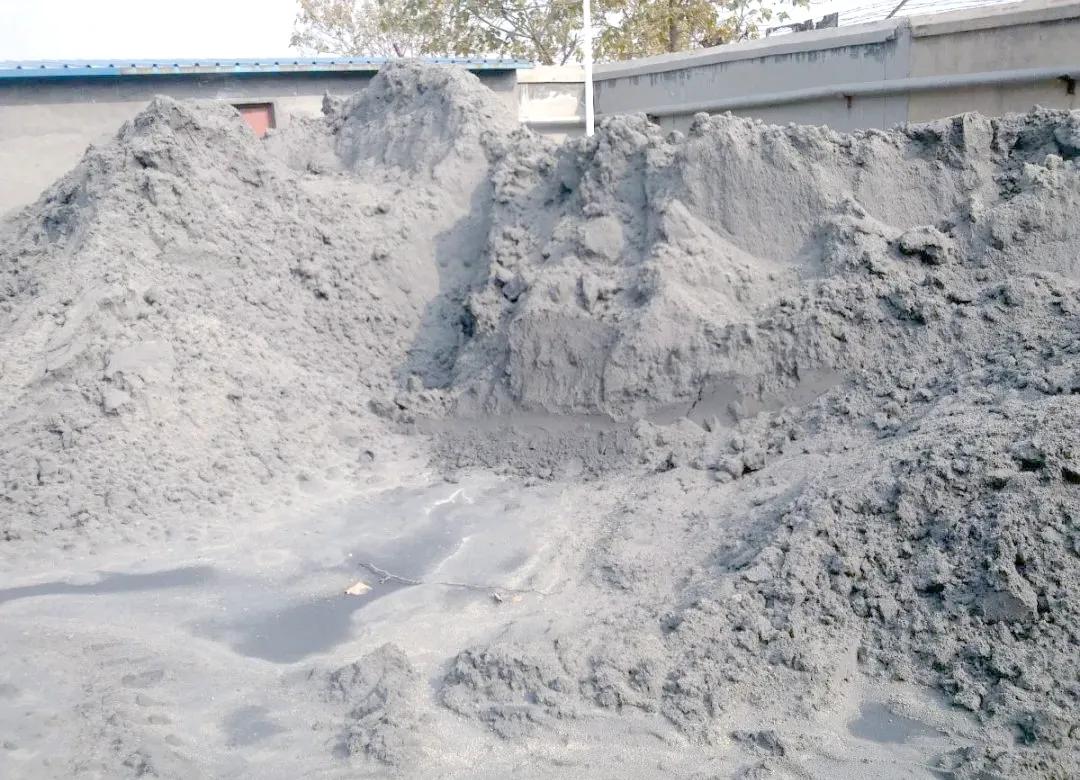 Fly ash is used as a supplementary cementitious material for precast concrete production
Ground Granulated Blast Furnace Slag (GGBFS)
Slag improves sulfate resistance, durability, and long-term strength.
Limestone Powder
Limestone powder improves particle packing and surface finish quality.
Fine Aggregate
Fine aggregate usually refers to sand. It fills internal voids, improves workability, and helps create a denser concrete structure.
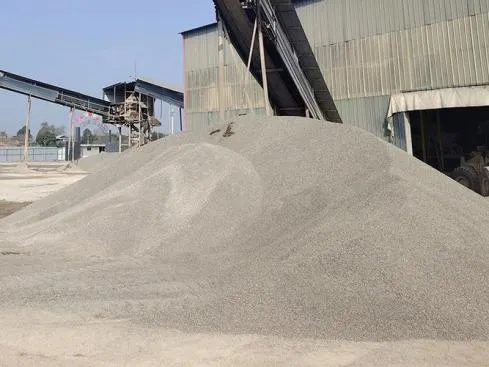 Fine aggregate sand used in precast concrete production for density and workability
Coarse Aggregate
Aggregate includes coarse aggregate such as gravel or crushed stone. It forms the structural skeleton of concrete and affects strength, density, and dimensional stability.
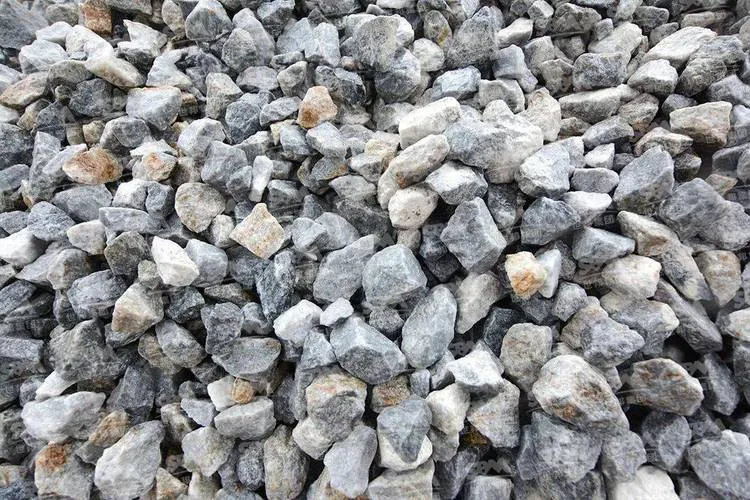 Coarse aggregate gravel used as structural skeleton in precast concrete production
5.2 Other Materials
Functional Admixtures
Functional admixtures are essential for optimizing precast concrete production and performance.
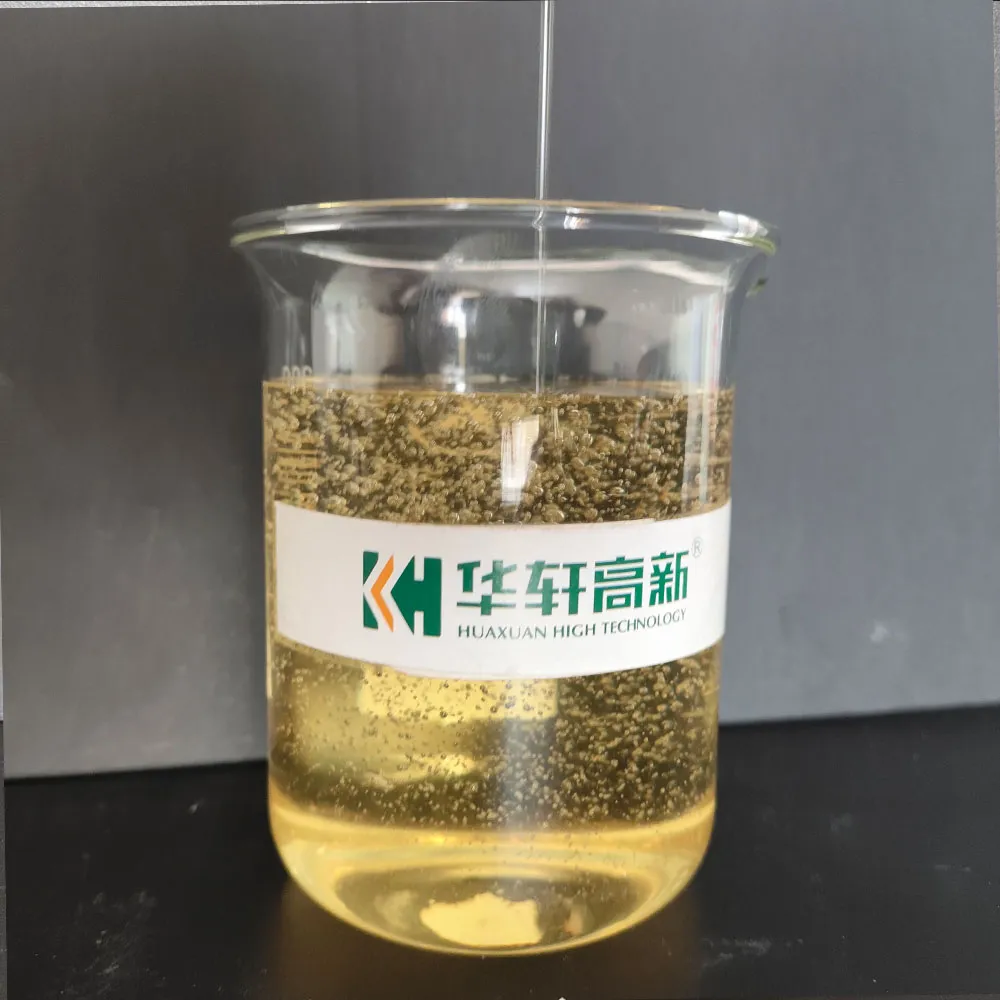 KH-204 sample showing stable liquid consistency
Water Reducers / Superplasticizers
Reduce water demand, improve flowability, and increase concrete strength.
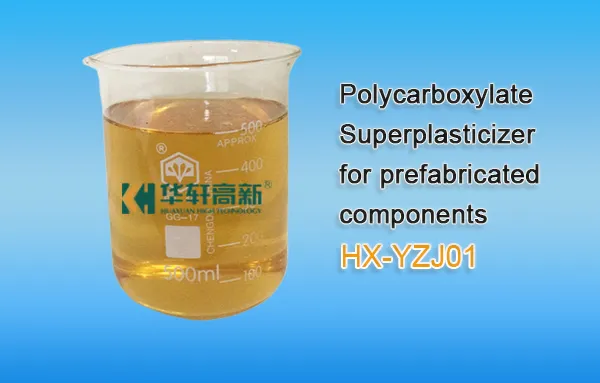 HX-YZJ01 PCE-based water reducer for prefabricated concrete and precast component production
Accelerate strength development and shorten demolding time.
Delay setting time and prevent premature hardening during transportation or casting.
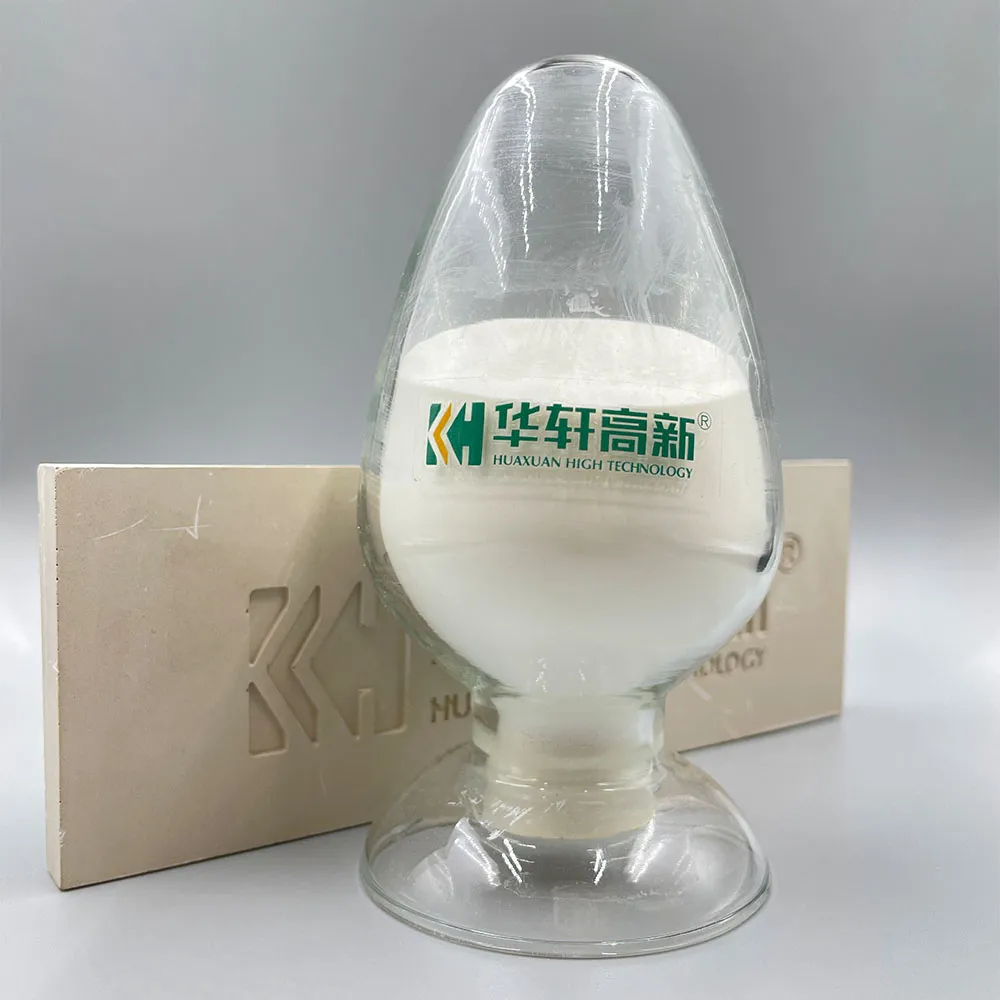 KH-PN sodium gluconate powder sample used in concrete admixtures and set retarder formulations
Antifreeze Admixtures
Improve low-temperature performance during winter production.
Waterproofing Admixtures
Improve impermeability and durability in wet environments.
Oxides
Oxides are mainly used as coloring agents to produce decorative precast concrete components such as facade panels and landscape products.
Reinforcement Bars
Reinforcement bars improve tensile strength and crack resistance. They are the main structural reinforcement in beams, slabs, columns, and walls.
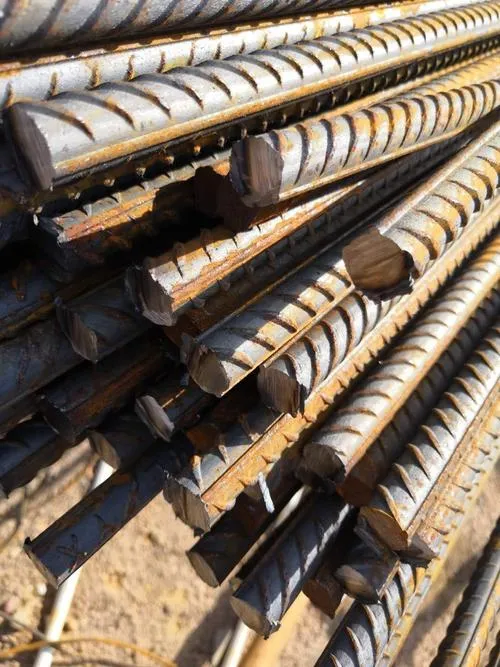 Steel reinforcement bars used in precast concrete for structural reinforcement
Steel Tendons
Steel tendons are used in prestressed precast concrete to improve load-bearing capacity and reduce cracking, especially in long-span structures.
Joints
Joints connect different precast components and ensure structural continuity, load transfer, and installation stability.
Lightweight Aggregate
Lightweight aggregate reduces the dead weight of precast components and improves thermal insulation performance.
Fibers
Fibers such as steel fibers and polypropylene fibers improve crack resistance, impact resistance, and durability.
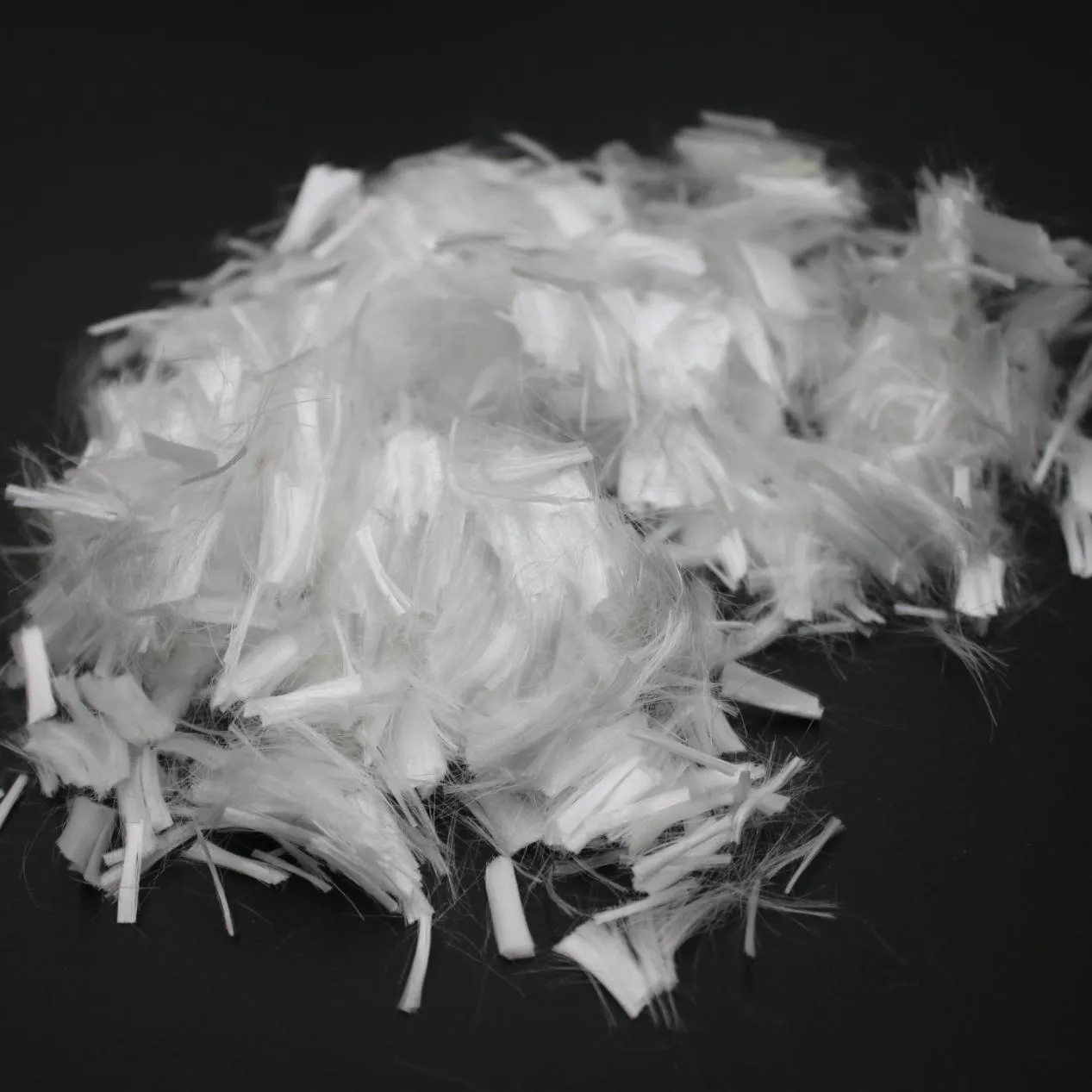 Polypropylene fiber used in precast concrete to improve crack resistance and durability
Non-Shrink Grouts
Non-shrink grouts are used to fill connection gaps between precast components and ensure stable load transfer without shrinkage.
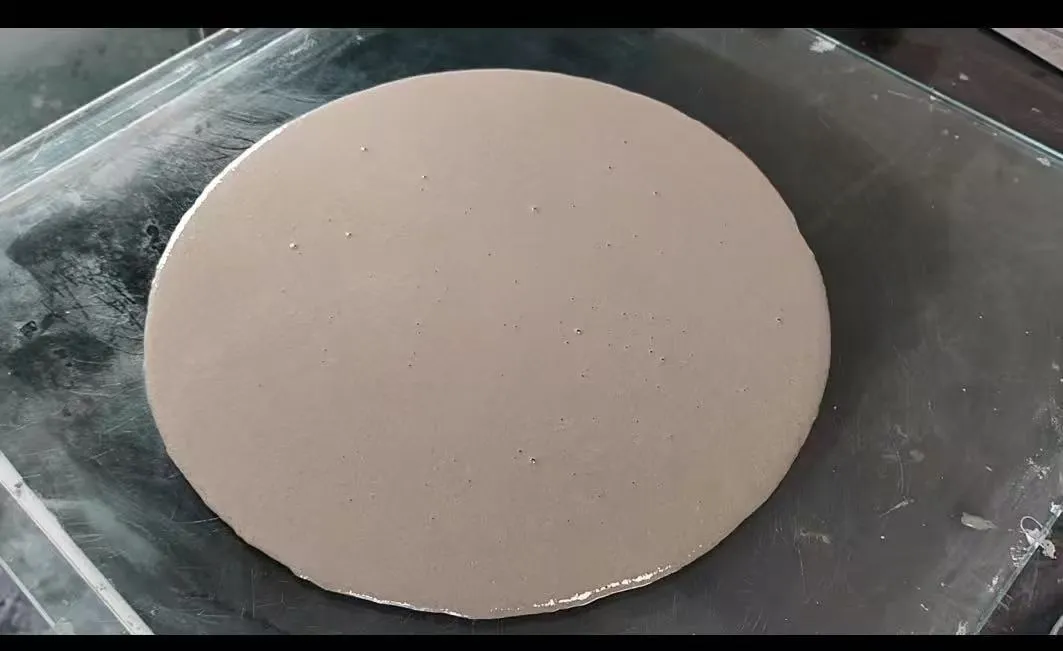 Non-shrink grout material used for precast concrete joints and structural gap filling
Epoxy Grouts
Epoxy grouts provide high bonding strength and chemical resistance, mainly used in heavy-duty or high-precision connection areas.
In short, the quality of precast concrete depends not only on cement and aggregates but also on admixtures, reinforcement systems, and functional materials that improve performance, durability, and construction efficiency.
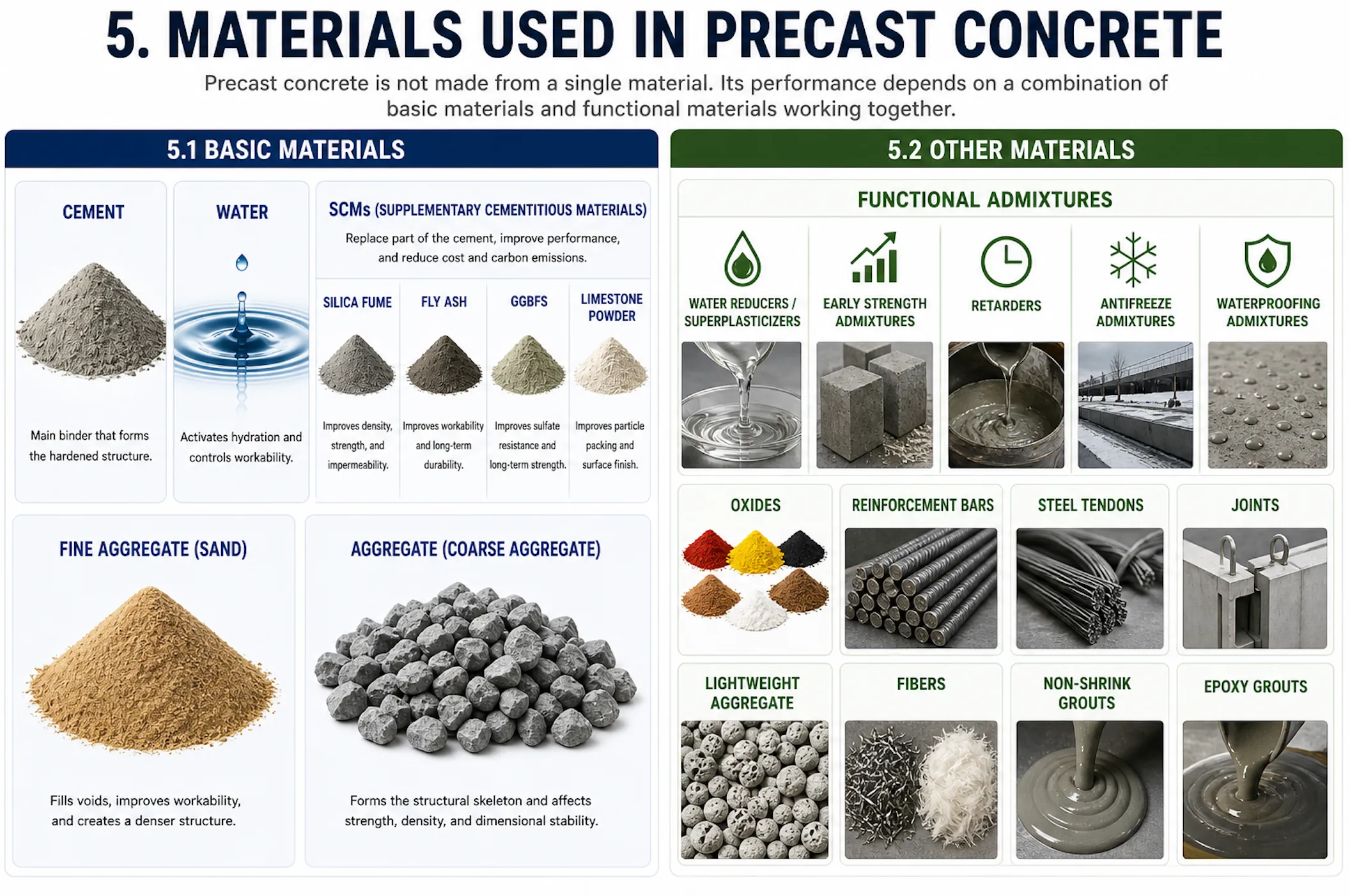 Overview of the main materials used in precast concrete production and structural performance
6. What Are the Benefits of Using Precast Concrete?
Precast concrete offers multiple advantages in modern construction because it combines factory manufacturing with on-site assembly, improving both structural performance and construction efficiency.
High Strength and High Durability
Precast concrete is designed for high compressive strength and often reinforced with steel bars or prestressed steel tendons to improve tensile strength, crack resistance, and load-bearing capacity.
Controlled Production Environment and Better Quality Assurance
Unlike on-site concrete pouring, precast concrete is manufactured in a controlled factory environment where temperature, humidity, and material ratios can be precisely managed for stable performance.
Factory production allows strict quality inspection at every stage, reducing defects such as honeycombing, cracking, and dimensional errors.
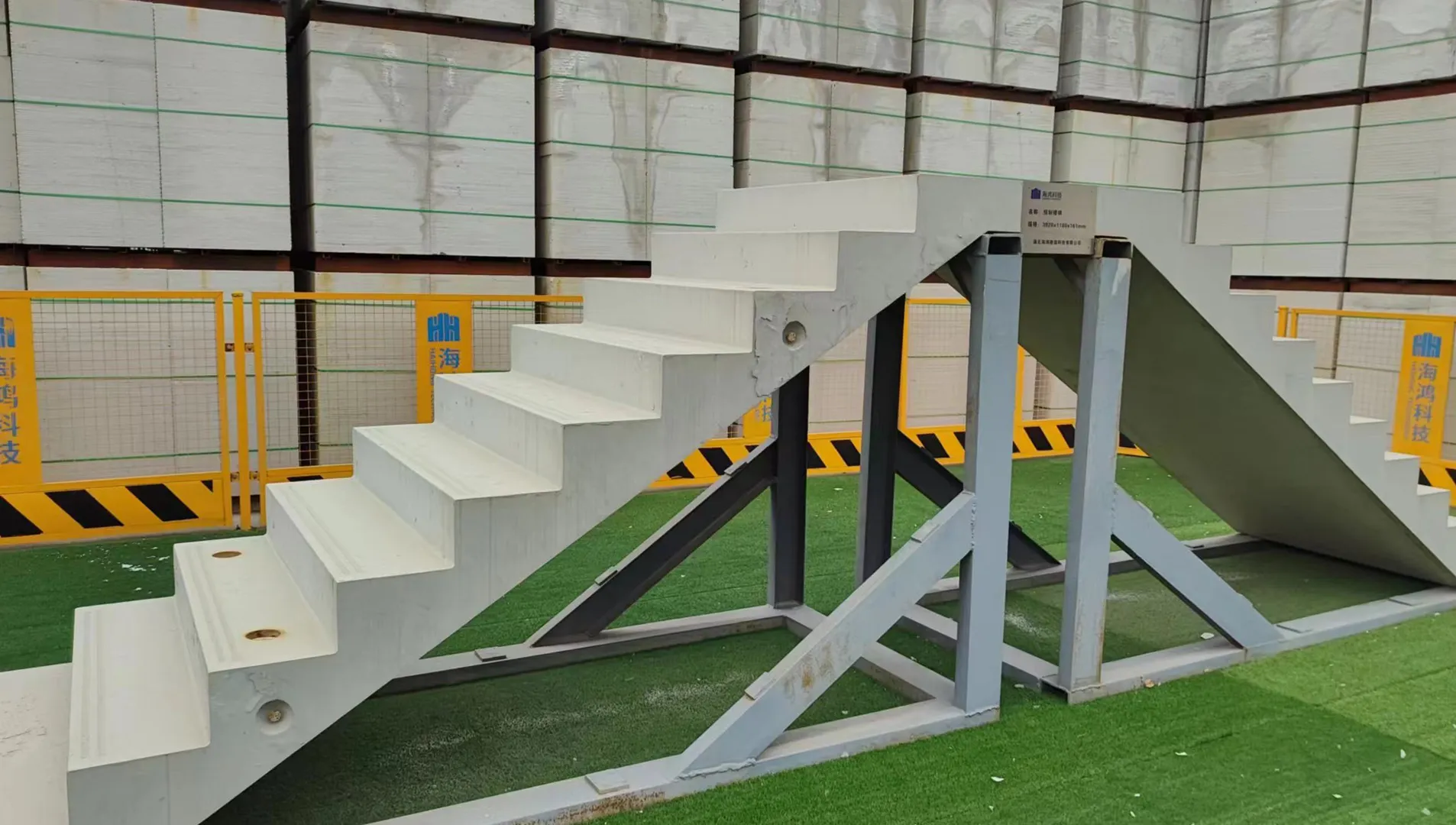 Precast concrete staircase component used in prefabricated construction systems
Cost Efficiency
Precast concrete reduces labor costs, shortens project timelines, lowers material waste, and improves mold reuse efficiency, helping reduce total construction cost.
Faster Construction
Components are produced off-site while foundation work continues on-site, allowing faster installation and shorter project schedules.
Better Appearance
Precast concrete provides smoother surfaces, cleaner edges, and more consistent finishes compared with cast-in-place concrete.
Thermal Insulation Performance
Precast sandwich wall panels can integrate insulation materials such as EPS or rock wool, improving thermal efficiency and reducing building energy consumption.
Integrated Interior Wall Functions
Precast wall systems can integrate structural, insulation, waterproofing, and decorative layers into a single component, reducing the need for additional construction steps.
Flexible Structural and Architectural Design
Precast concrete can be customized into different shapes, sizes, textures, and finishes to meet both structural and architectural requirements.
Can Be Used as Finished Interior Surface
In many projects, precast wall panels can serve directly as exposed interior surfaces, reducing the need for additional plastering or finishing materials.
Demountable Design
Some precast systems are designed for disassembly and reuse, making maintenance, renovation, or future reconstruction easier.
Reduced Construction Waste
Factory production improves material control and significantly reduces waste compared with traditional on-site construction, supporting sustainable building practices.
Reusable Molds with Stable Dimensions
Factory molds can be reused many times while maintaining dimensional accuracy, improving production efficiency and consistency.
Standardized production ensures each component has consistent strength, size, and quality, which improves structural reliability.
8. What Are the Different Types of Precast Concrete Structures?
Precast concrete structures are manufactured in different forms to meet various structural and functional requirements. Each type is designed for specific load conditions, installation methods, and building applications.
8.1 Basic Structural Types
Precast Concrete Walls
Precast walls are one of the most widely used structural elements in precast construction. They can serve as load-bearing walls, partition systems, retaining systems, or protective barriers.
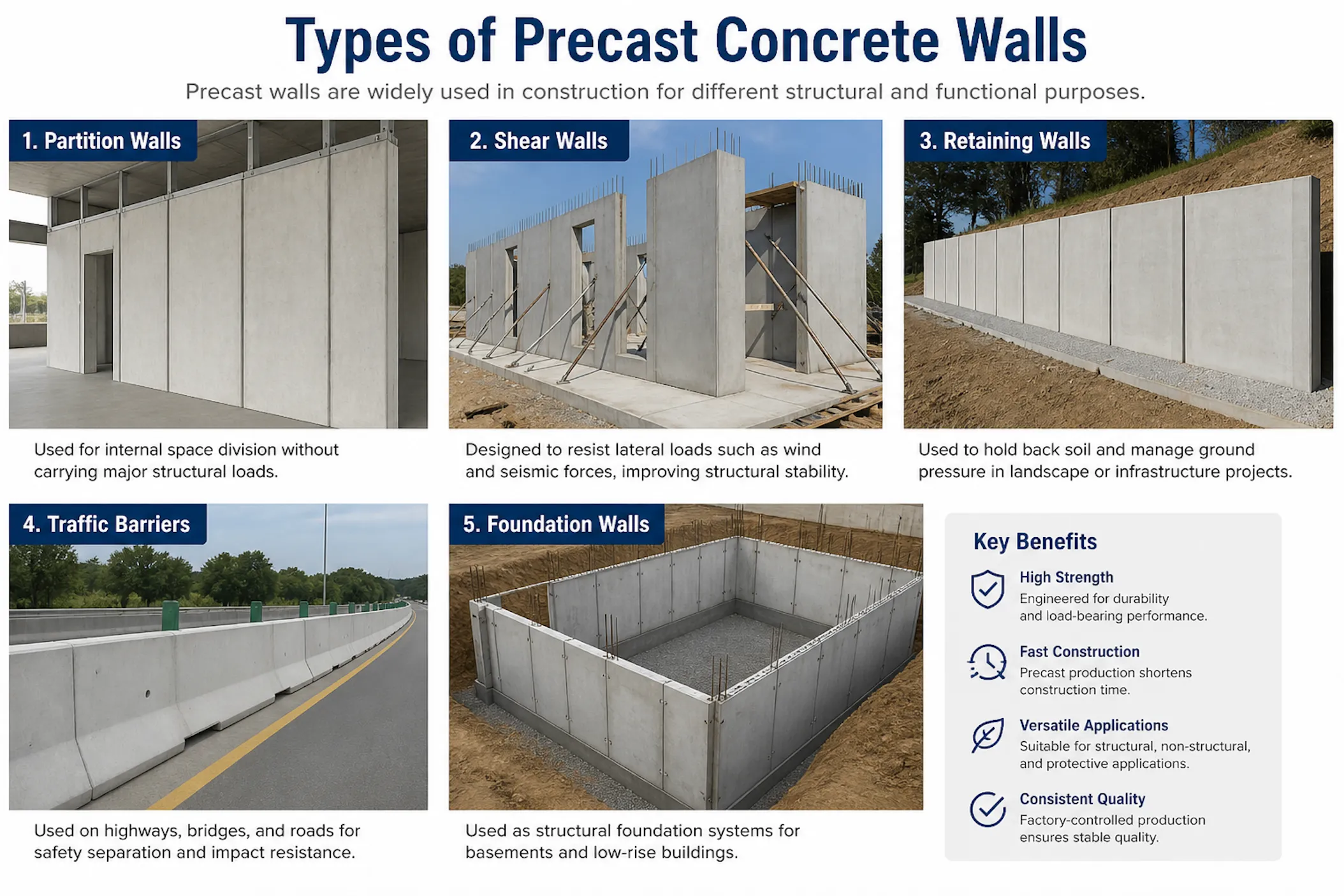 Different types of precast concrete wall systems for structural and infrastructure applications
Partition Walls
Used for internal space division without carrying major structural loads.
Shear Walls
Designed to resist lateral loads such as wind and seismic forces, improving structural stability.
Retaining Walls
Used to hold back soil and manage ground pressure in landscape or infrastructure projects.
Traffic Barriers
Used on highways, bridges, and roads for safety separation and impact resistance.
Foundation Walls
Used as structural foundation systems for basements and low-rise buildings.
Precast Concrete Slabs and Planks
Precast slabs provide floor and roof systems with fast installation and stable structural performance.
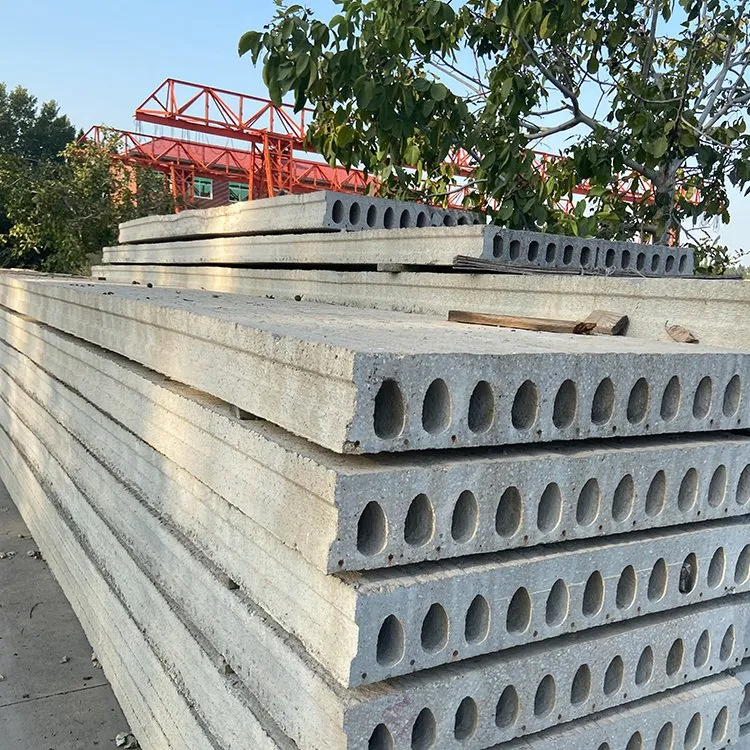 Precast concrete slabs and hollow core planks for fast floor and roof system installation
Double Ts (Double Tee Slabs)
Commonly used for long-span floors, parking structures, and industrial buildings.
Hollow-Core Slabs
Contain internal voids to reduce weight while maintaining structural strength, widely used in residential and commercial flooring systems.
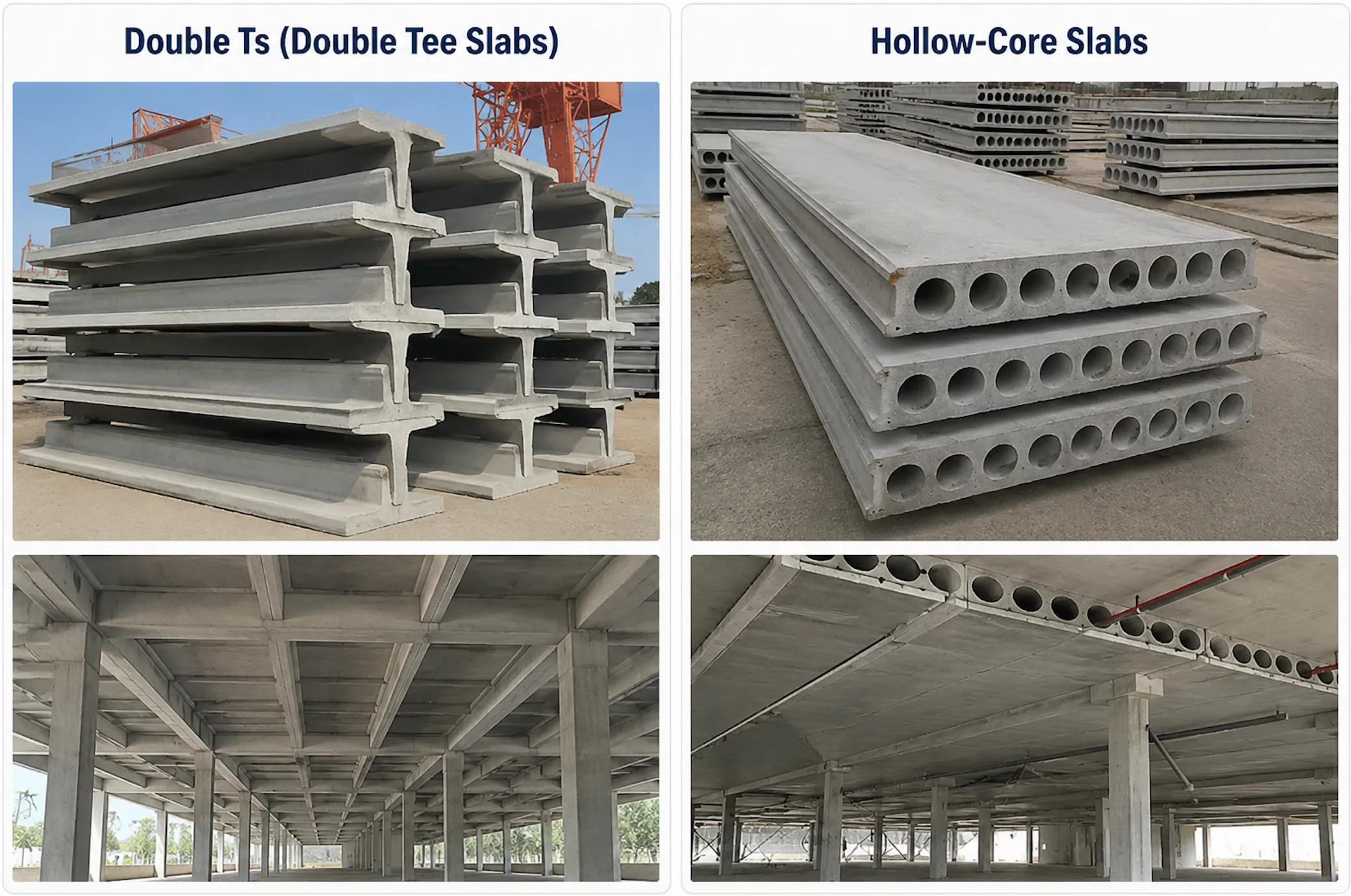 Comparison of double tee slabs and hollow-core slabs used in precast concrete structural systems
Precast Concrete Beams
Precast beams are horizontal load-bearing components used to transfer loads from slabs to columns or walls. They improve structural efficiency and reduce on-site formwork.
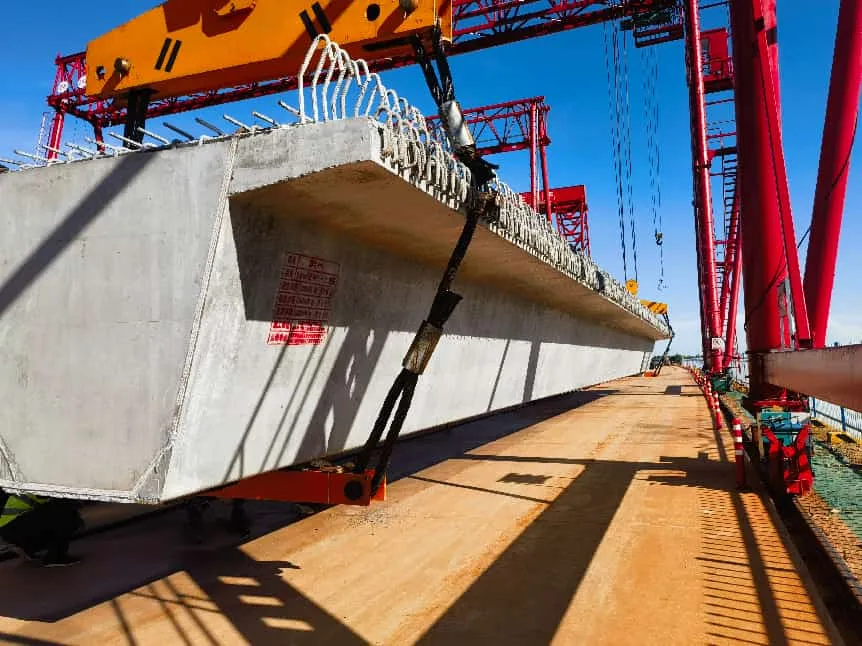 Precast concrete beam used for structural support and load transfer in construction projects
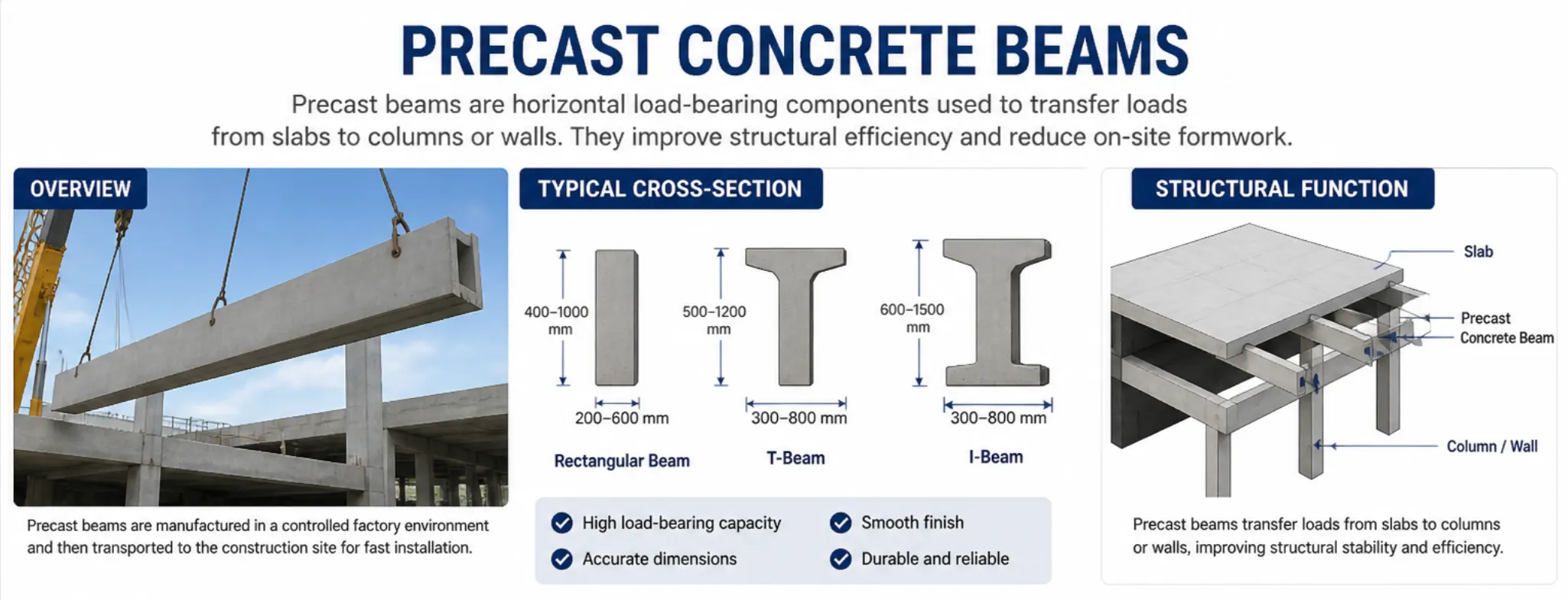 Precast concrete beams are load-bearing structural components used to transfer loads from slabs to columns or walls, improving construction efficiency and structural stability.
Precast Columns
Precast columns are vertical structural elements designed to transfer building loads to the foundation. They are widely used in industrial, commercial, and modular building systems.
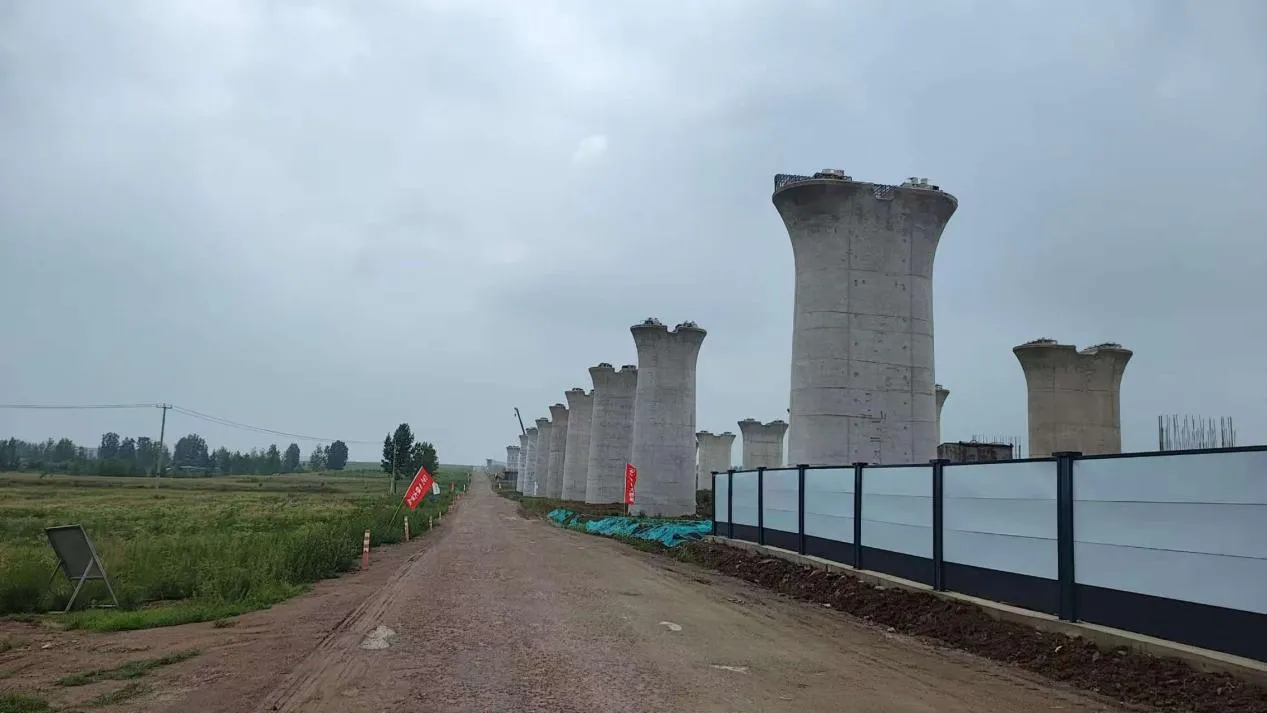 Precast concrete columns used for structural support in bridge and infrastructure projects
Precast Stairs
Precast stairs are prefabricated stair units with accurate dimensions and smooth finishes, reducing installation time and improving construction safety.
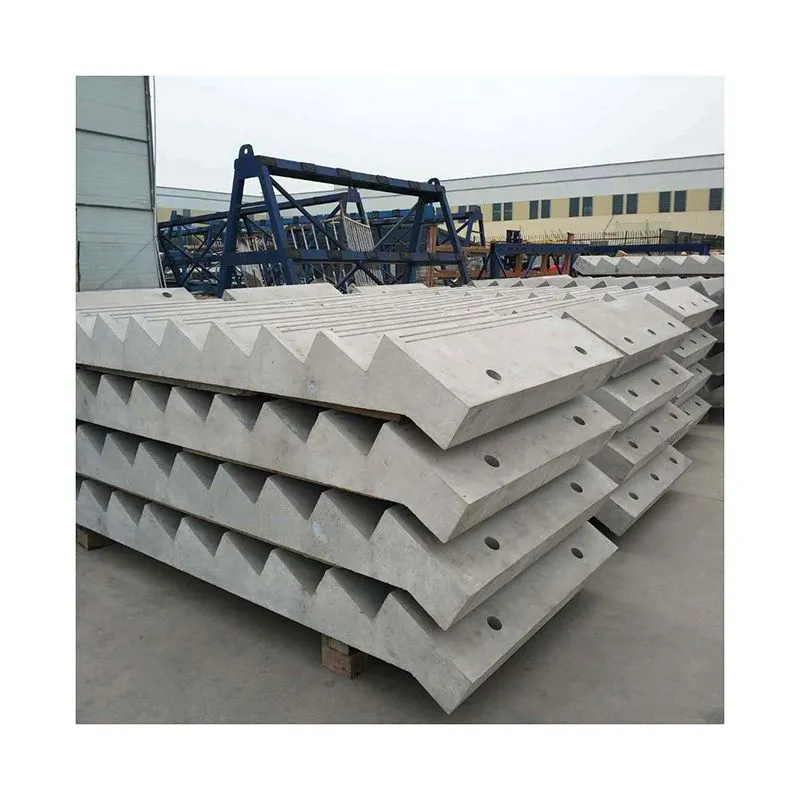 Precast concrete stairs are manufactured for fast and accurate on-site installation
Precast Footings
Precast footings are foundation support elements used to transfer structural loads into the ground. They allow faster foundation construction compared with traditional cast-in-place systems.
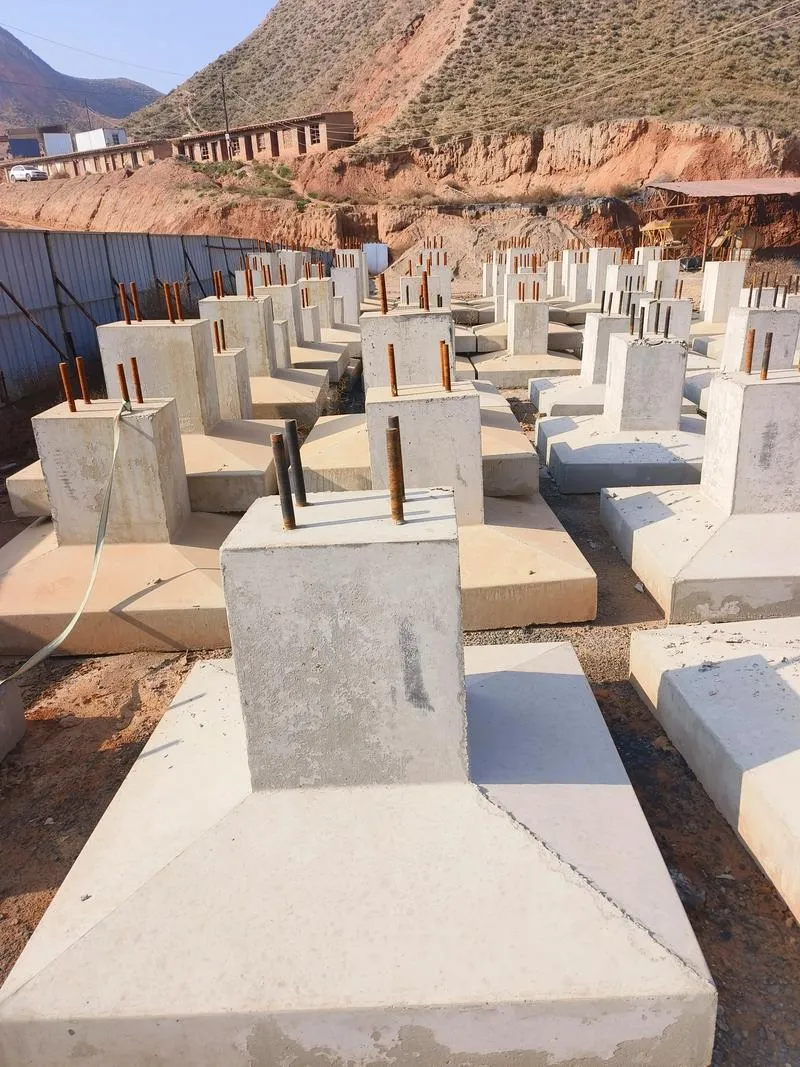 Precast concrete footings prepared for fast foundation construction and load transfer
9. Applications of Precast Concrete
Precast concrete is used in a wide range of industries because of its speed, durability, and design flexibility.
Residential Buildings
Used for walls, floors, stairs, balconies, and foundations in houses, apartments, and modular housing systems.
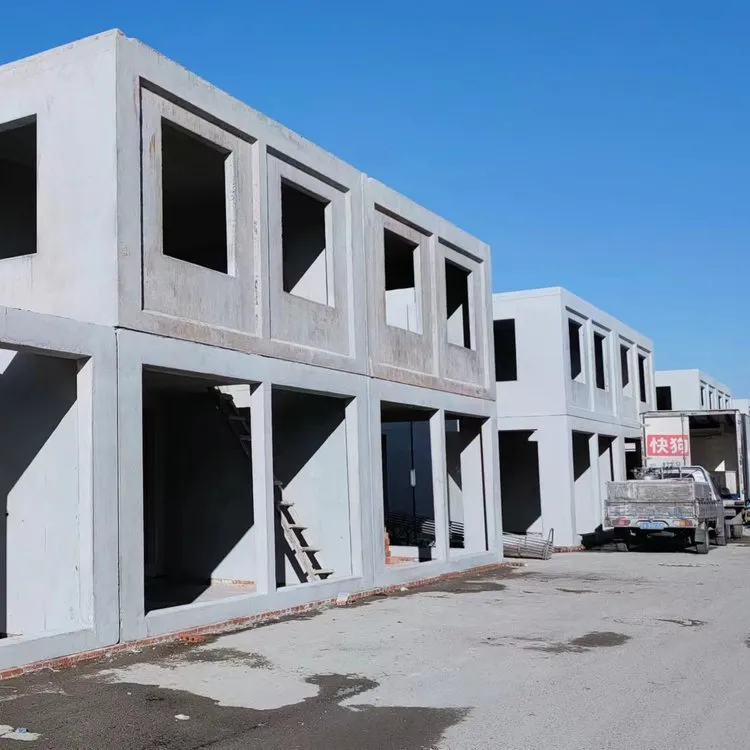 Precast concrete residential buildings for fast modular construction and efficient housing development
Commercial Buildings
Applied in office buildings, shopping centers, hotels, and warehouses for structural frames and facade systems.
 Precast concrete commercial building for office, retail, and urban construction projects
Infrastructure
Widely used in highways, tunnels, drainage systems, railways, and public utility projects.
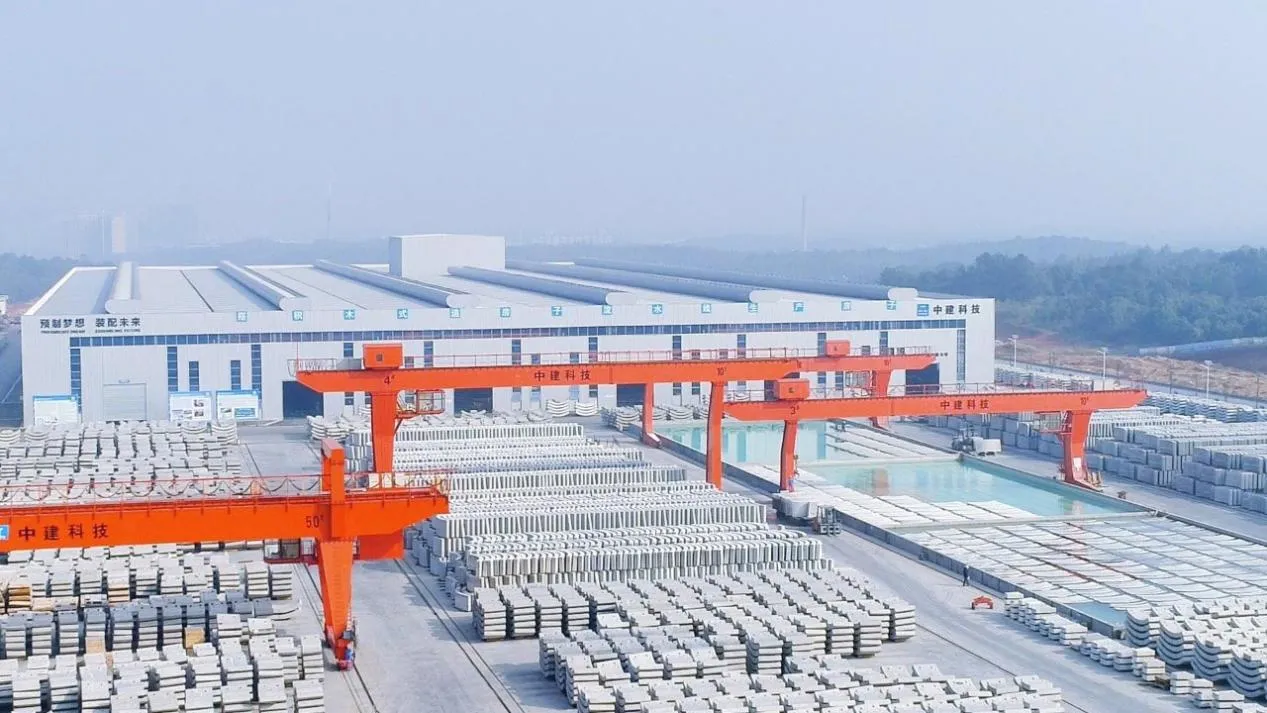 Precast concrete infrastructure components for highways, railways, drainage, and public engineering projects
Pole Bases
Used as stable foundations for utility poles, lighting poles, and communication towers.
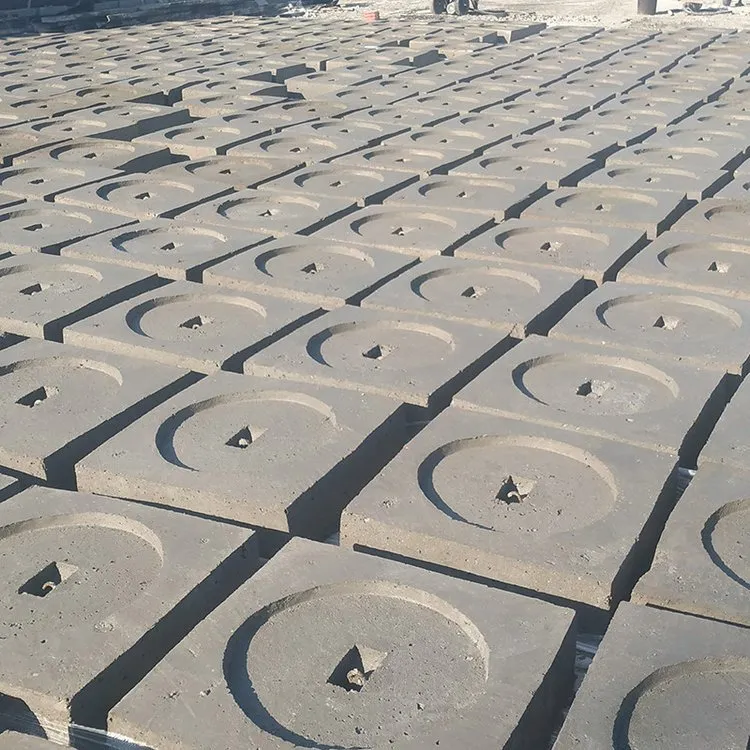 Precast concrete pole bases for fast installation of utility poles and lighting systems
Agricultural Products
Used for livestock buildings, storage facilities, silos, and drainage systems due to durability and low maintenance.
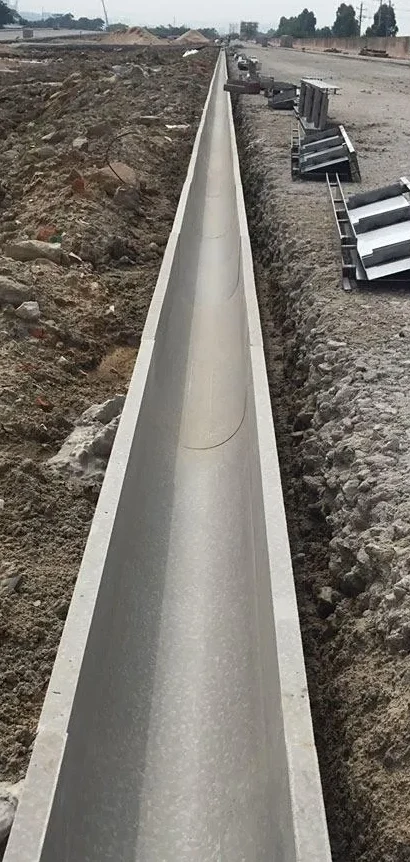 Precast concrete drainage channels for agricultural irrigation and water drainage systems
Parking Garages
Precast systems are widely used in parking structures because of long-span capability and fast assembly.
Septic Tanks and Manholes
Used in underground wastewater systems because of its strength, water resistance, and fast installation.
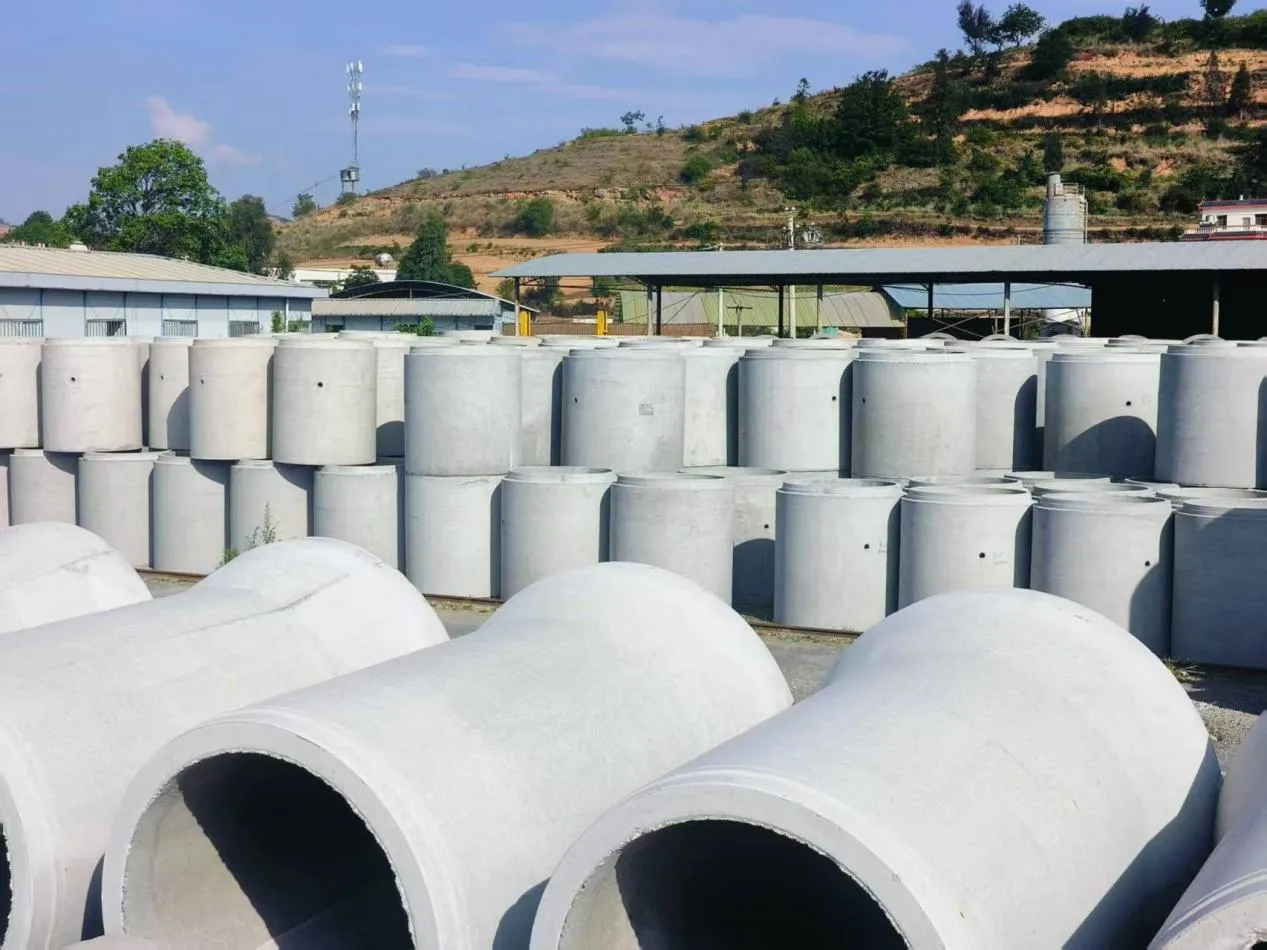 Precast concrete septic tanks and manholes for wastewater treatment and underground utility systems
Pipes and Culverts
Used for stormwater drainage, sewage systems, and underground infrastructure projects.
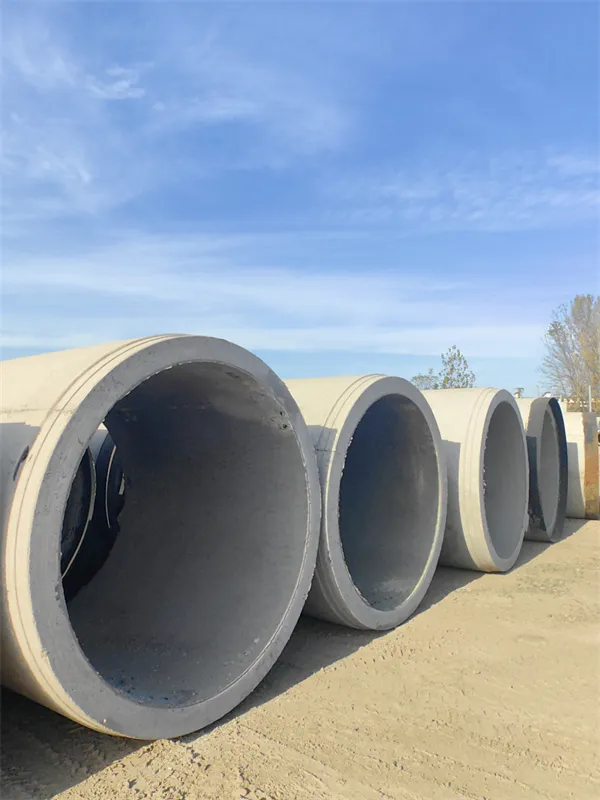 Precast concrete pipes and culverts for drainage, sewage, and water management systems
Curb Inlets and Catch Basins
Used in road drainage systems to collect and direct rainwater into underground pipelines.
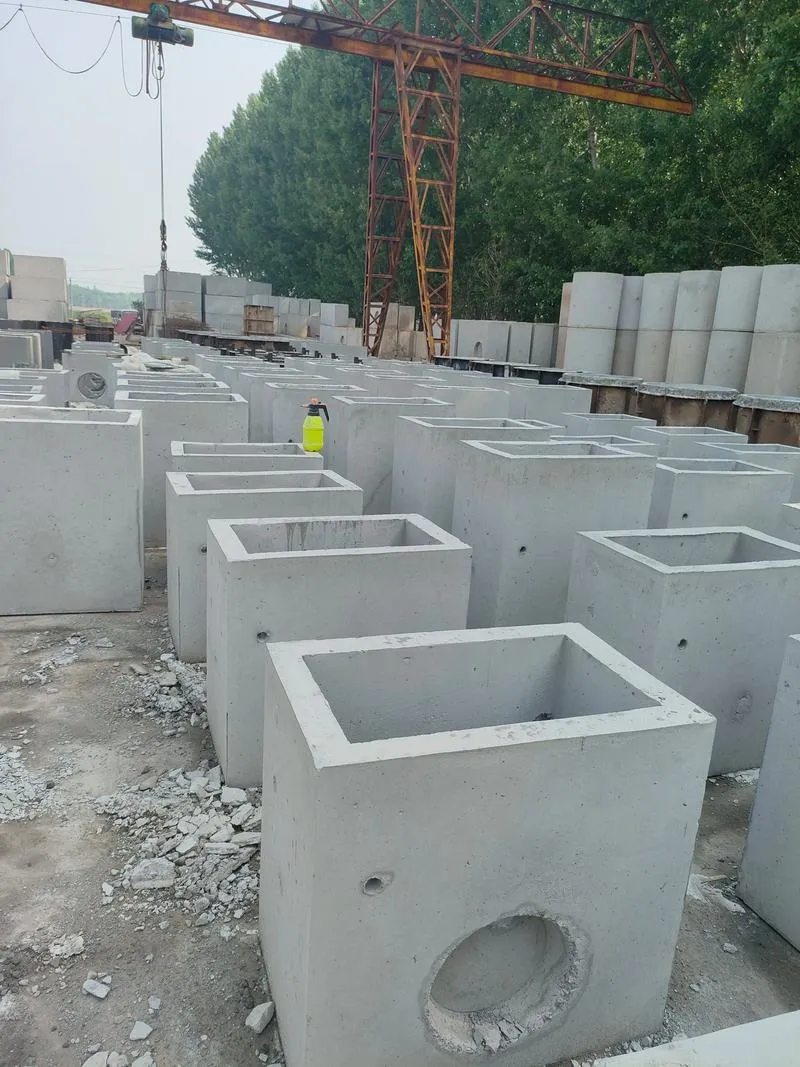 Precast concrete curb inlets and catch basins for urban drainage and stormwater management systems
Bridges
Used for bridge beams, deck panels, barriers, and support systems because of high strength and efficient installation.
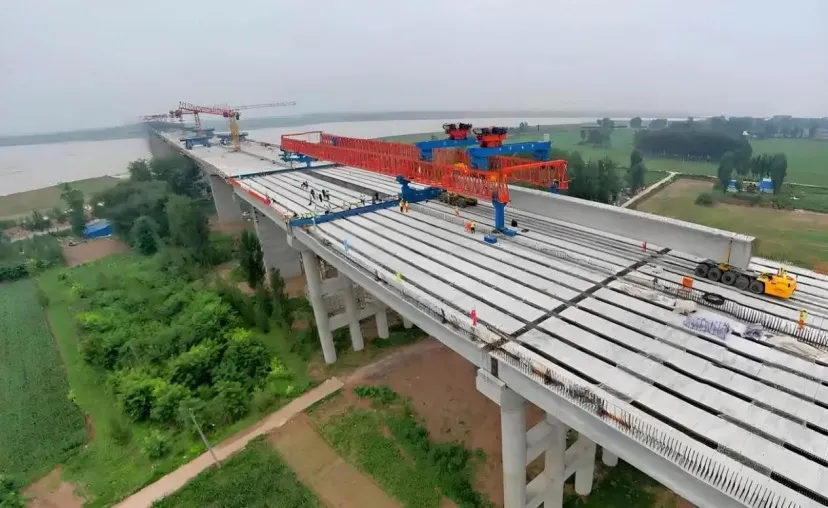 Precast concrete bridge beam installation for highway and transportation infrastructure projects
9. Disadvantages of Precast Concrete
Although precast concrete offers many advantages, it also has limitations that should be considered during project planning.
Transportation Challenges
Precast concrete components are large, heavy, and often oversized, which makes transportation more expensive and more complex than traditional raw material delivery. Long-distance transportation increases logistics costs and may require special vehicles, route planning, and handling equipment.
Limited On-Site Adjustments
Once precast components arrive on-site, modifications are difficult. Unlike cast-in-place concrete, which can be adjusted during pouring, precast elements are already finished. Any design change, cutting, or repair usually increases cost and delays installation.
High Initial Costs
Precast production requires high upfront investment in molds, production equipment, and factory systems. For small projects or one-time customized structures, these initial costs may not be economical compared with traditional construction methods.
Joint and Connection Issues
The structural performance of precast concrete depends heavily on connection quality. Poor joint installation may lead to water leakage, alignment problems, or reduced structural performance over time if not properly designed and installed.
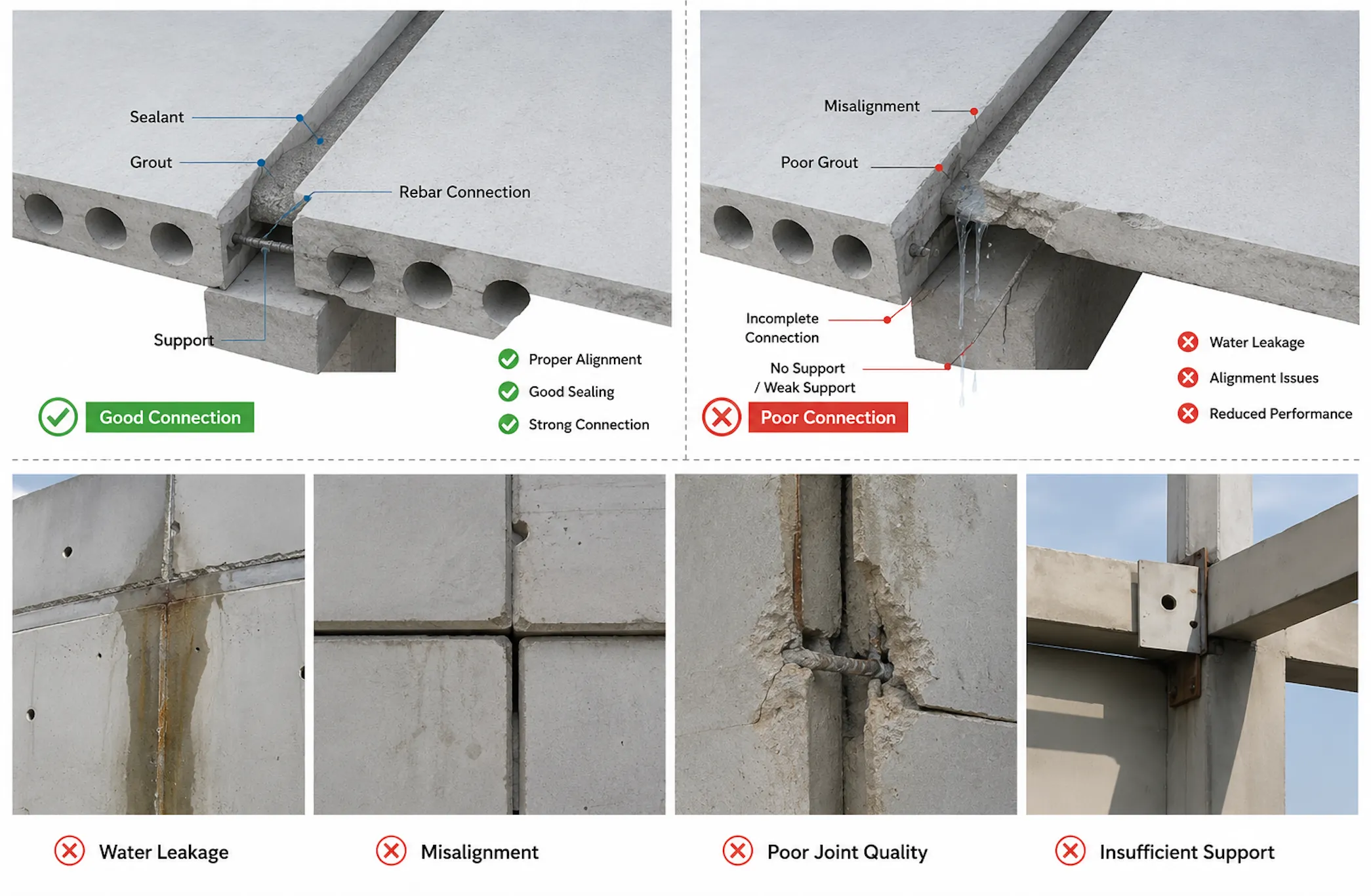 Comparison of proper and improper precast concrete joint connections, highlighting common issues such as water leakage, misalignment, poor grout filling, and insufficient structural support.
Design Limitations
Although precast concrete offers design flexibility, highly irregular or extremely complex shapes are often more difficult and more expensive to produce because they require custom molds and specialized manufacturing processes.
Requires Careful Installation
Precast concrete installation requires experienced workers, accurate lifting coordination, and heavy equipment such as cranes. Improper installation may affect structural safety, alignment accuracy, and connection performance. Compared with cast-in-place systems, installation precision is much more critical.
Conclusion
Precast concrete has become one of the most efficient and reliable construction solutions in modern building systems, offering faster project delivery, better quality control, higher durability, and lower long-term maintenance compared with traditional cast-in-place construction.
As the construction industry continues moving toward industrialization, sustainability, and smarter production methods, precast concrete will play an even bigger role in residential, commercial, and infrastructure projects.
If you are looking for high-performance concrete admixtures, polycarboxylate superplasticizers, or customized precast concrete additive solutions to improve strength, workability, and production efficiency, contact Huaxuan High-Tech for professional technical support and tailored product solutions for your precast concrete projects.
Related Reading
For a broader overview of definitions, density, chemistry, product forms and selection, read What Is a Superplasticizer? Definition, Density, Types and Concrete Use.
To learn more about this topic, read Polycarboxylate Superplasticizer Powder Guide.
To learn more about this topic, read PCE Powder vs Liquid Selection Guide.