July 30, 2026
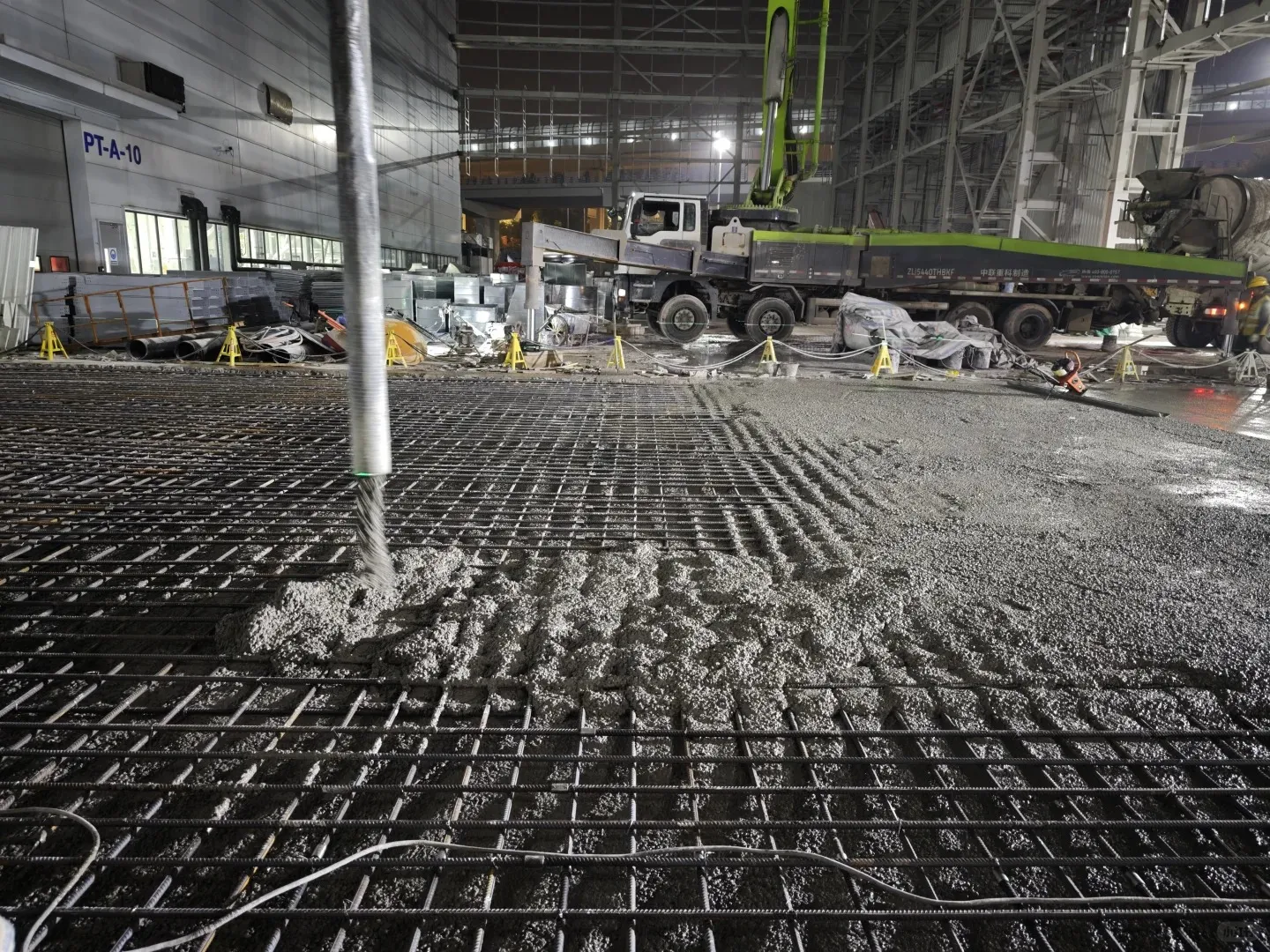
Quick Answer
A concrete polymer additive is a polymer-based material added to cementitious systems to improve properties that ordinary concrete cannot easily achieve, including stronger adhesion, higher flexural strength, lower water absorption, improved crack resistance, and greater durability. Unlike traditional chemical admixtures that mainly modify fresh concrete properties such as workability, water reduction, or setting time, polymer additives primarily improve the hardened cement matrix by forming a continuous polymer film within the hydrated cement structure.
Common polymer additives include styrene-butadiene rubber (SBR), acrylic polymers, vinyl acetate-ethylene (VAE) emulsions, and redispersible polymer powders (RDP). Depending on the product type and application, polymer dosage is commonly 5–15% polymer solids by weight of cement, although some specialty systems use different proportions.
In This Article
- What Is a Concrete Polymer Additive?
- How Polymer Additives Work
- Types of Concrete Polymer Additives
- Polymer Additives vs Traditional Concrete Admixtures
- Benefits of Polymer-Modified Concrete
- Common Applications
- How to Choose the Right Polymer Additive
- Limitations and Considerations
- Frequently Asked Questions
- Final Thoughts
How Does a Concrete Polymer Additive Work?
Unlike conventional chemical admixtures that mainly influence fresh concrete, polymer additives continue working after hydration begins. Their primary function is to form a polymer film within the cement matrix, creating a second binding phase alongside cement hydration products.
Typical Polymer Film Formation Process

When a polymer additive is mixed with cement and water, fine polymer particles are uniformly dispersed throughout the fresh mixture. As cement hydrates and excess water gradually evaporates, these particles move closer together and begin to coalesce. The result is a continuous polymer film that interlocks with hydrated cement products and fills part of the pore structure.
Instead of replacing cement hydration, the polymer network works together with the hardened cement matrix. This combined structure improves several properties that ordinary cement paste cannot easily achieve.
Main Types of Concrete Polymer Additives
Concrete polymer additives are available in several forms, each designed for different cementitious systems and construction applications. Although all polymer additives improve the performance of cement-based materials, they differ in composition, application method, and the properties they are intended to enhance.
The most common types include latex emulsions, redispersible polymer powders, water-based polymer dispersions, and specialty polymer systems.
Latex and Polymer Emulsions
Latex polymers are among the earliest and most widely used concrete polymer additives. They are supplied as water-based emulsions and are mixed directly with cementitious materials during batching.
Common examples include:
- Styrene-butadiene rubber (SBR)
- Acrylic polymers
- Vinyl acetate-ethylene (VAE)
- Ethylene-vinyl acetate (EVA)
These polymers are primarily used where improved adhesion, flexibility, and water resistance are required. They are widely incorporated into repair mortars, bridge deck overlays, bonding coats, waterproof mortars, and cement-based grouts.
Compared with ordinary cement mortar, latex-modified systems generally develop higher bond strength and flexural performance while reducing water absorption. Their ability to form a continuous polymer film also helps improve resistance to freeze–thaw cycles and chloride penetration.
Redispersible Polymer Powder (RDP)
Redispersible polymer powder (RDP) is produced by spray-drying polymer emulsions into free-flowing powders. When mixed with water, the powder redisperses into fine polymer particles and forms a film similar to that of liquid latex.
Unlike liquid polymer emulsions, RDP is designed primarily for dry-mix products because it offers better storage stability, easier transportation, and accurate factory-controlled batching.
Typical applications include:
- Dry-mix mortar
- Tile adhesive
- Exterior insulation and finish systems (EIFS)
- Self-leveling compounds
- Repair mortars
- Skim coats
Because the polymer is already incorporated into the dry formulation, contractors only need to add water at the jobsite, making RDP one of the most widely used polymer modifiers in modern dry-mix construction materials.
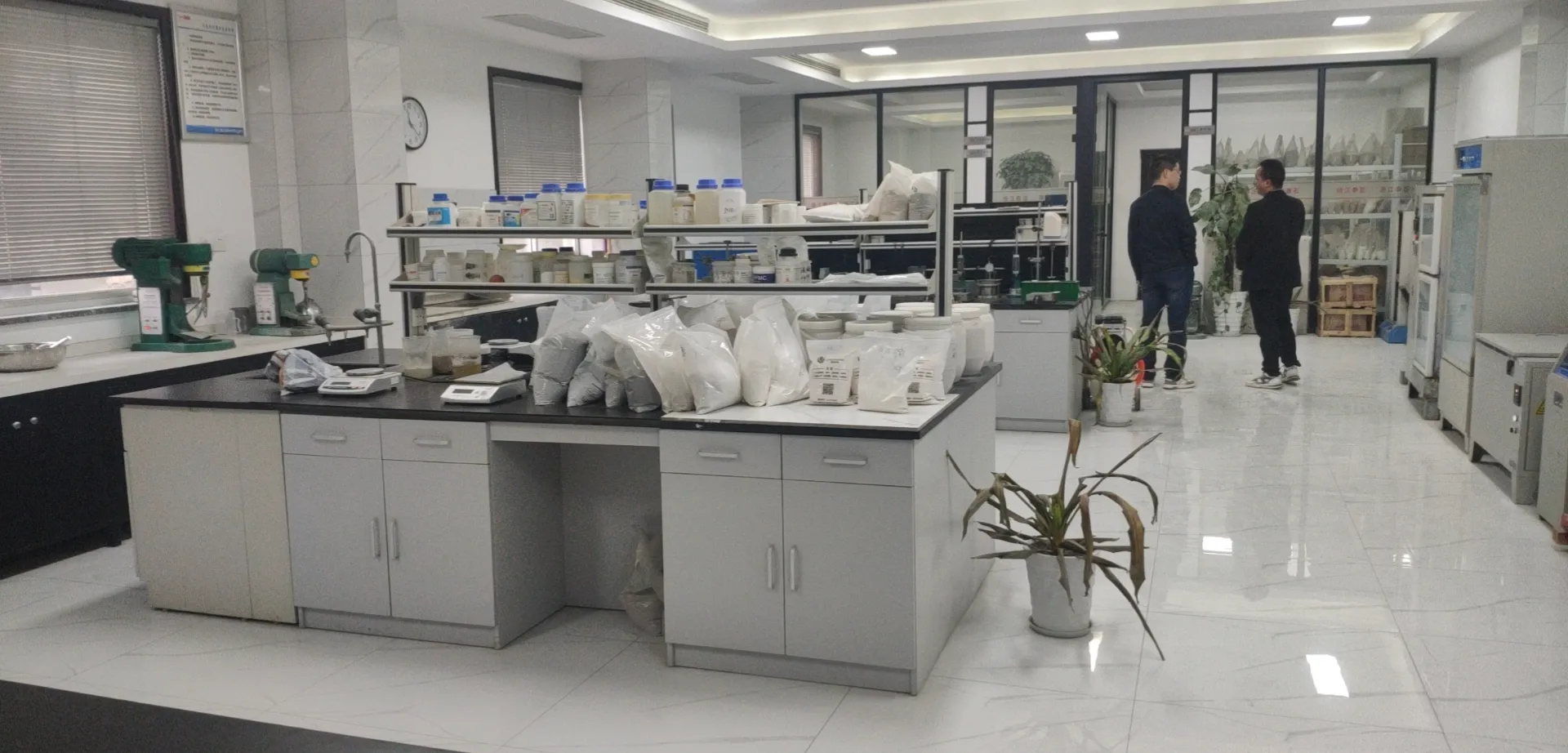
 Flowability and workability evaluation of cementitious grout material during construction material testing.
Water-Based Polymer Dispersions
Water-based polymer dispersions are liquid polymer systems supplied ready for mixing with cementitious materials. They are commonly used in applications requiring controlled polymer dosage or where on-site mixing flexibility is important.
Depending on the formulation, these dispersions can improve adhesion, reduce permeability, increase abrasion resistance, and enhance the durability of cement-based materials. They are frequently used for concrete repair, decorative overlays, industrial flooring, protective coatings, and specialty bonding systems.
Compared with dry polymer powders, water-based dispersions eliminate the need for redispersion and are often selected when consistent polymer distribution throughout the mix is required.
Specialty Polymer Systems
Some polymer additives are developed for highly specialized applications rather than general concrete construction.
Examples include polymer systems designed for:
- Glass fiber reinforced concrete (GFRC)
- Decorative and architectural concrete
- Thin concrete castings
- High-performance repair materials
- Polymer-rich overlay systems
These formulations are often optimized for specific performance requirements such as reduced brittleness, improved surface finish, enhanced color uniformity, or higher flexural capacity. Because the required properties vary significantly between applications, polymer selection is usually based on project requirements rather than a single universal product.
Although the available polymer chemistries differ, the selection principle remains the same: choose the polymer system that matches the required performance, application method, and compatibility with the cementitious materials being used.
Polymer Additives vs Traditional Concrete Admixtures
Although both polymer additives and traditional concrete admixtures are added to cementitious materials, they serve different purposes and work through different mechanisms. The terms are sometimes used interchangeably in commercial literature, but they are not technically equivalent.
The main difference is that traditional concrete admixtures primarily modify the behavior of fresh concrete, while polymer additives primarily improve the properties of the hardened cement matrix.
| Polymer Additives | Traditional Concrete Admixtures |
| Primarily improve hardened properties | Primarily modify fresh concrete properties |
| Form a polymer film within the cement matrix | Modify cement hydration or particle dispersion |
| Increase adhesion and bond strength | Improve workability and flowability |
| Improve flexibility and crack resistance | Reduce water demand or adjust setting time |
| Reduce water absorption and permeability | Control air content, setting, or slump retention |
| Common in repair mortars, overlays, tile adhesives, and GFRC | Common in ready-mix concrete, precast concrete, and mass concrete |
Traditional admixtures include products such as water reducers, superplasticizers, retarders, accelerators, and air-entraining agents. These materials mainly influence fresh concrete performance by dispersing cement particles, adjusting hydration reactions, or controlling air content. Their primary purpose is to improve placement, pumping, finishing, and early-age concrete behavior.
Polymer additives work differently. Rather than changing the rheology of fresh concrete alone, they remain within the cementitious matrix after hydration and gradually form a continuous polymer film. This additional polymer network increases adhesion, improves flexural performance, reduces permeability, and helps control microcrack development.
Is Polycarboxylate Superplasticizer (PCE) a Polymer Additive?
Polycarboxylate superplasticizer (PCE) is chemically a polymer, but in concrete technology, it is generally classified as a chemical admixture, not a polymer binder or polymer modifier.
Its primary function is to disperse cement particles through electrostatic repulsion and steric hindrance, allowing the concrete to achieve high workability at a lower water-to-cement ratio. Once hydration progresses, PCE does not form a continuous polymer film that reinforces the hardened cement matrix in the way latex polymers or redispersible polymer powders do.
For this reason, PCE is typically grouped with high-range water reducers under standards such as ASTM C494 rather than with polymer modifiers used for cement modification.
Is a Retarder a Polymer Modifier?
No. A retarder is designed to delay cement hydration and extend the setting time of fresh concrete. Its purpose is to provide additional working time during transportation, placement, or hot-weather concreting.
Unlike polymer additives, retarders do not create a polymer network, improve bond strength, or increase flexibility after the concrete hardens. Although both are added during mixing, they address completely different engineering requirements and should not be considered interchangeable.
Understanding this distinction makes material selection much easier. If the goal is to improve workability, reduce water demand, or control setting time, a traditional concrete admixture is usually the appropriate solution. If the objective is to improve adhesion, crack resistance, flexibility, or long-term durability, a polymer additive is generally the more suitable choice.
Key Benefits of Concrete Polymer Additives
The primary purpose of a concrete polymer additive is not to replace cement, but to improve properties that ordinary cementitious materials cannot easily achieve on their own. Depending on the polymer type, dosage, and curing conditions, polymer modification can improve both mechanical performance and long-term durability.
Improved Adhesion
One of the most important benefits of polymer modification is stronger adhesion between the cementitious material and the substrate. As the polymer film develops within the hardened matrix, it creates additional bonding at the interface between cement paste and concrete, masonry, steel, or other construction materials. This improved bond is particularly valuable for repair mortars, tile adhesives, bridge deck overlays, and bonding coats, where long-term adhesion directly affects service life.
Reduced Water Absorption
Polymer additives reduce the connectivity of capillary pores by forming a continuous polymer film within the cement matrix. This makes it more difficult for water to penetrate the material. Lower water absorption also reduces the movement of chlorides and other dissolved salts, helping improve durability in wet environments. The reduction depends on the polymer type and dosage, but properly designed polymer-modified systems generally exhibit significantly lower permeability than conventional cement mortar.
Higher Flexural Strength
Concrete naturally performs well under compression but has relatively low resistance to bending and tensile stresses. Polymer modification improves flexural performance by increasing cohesion within the hardened matrix and helping redistribute localized stresses. While compressive strength may change only slightly, improvements in flexural and tensile strength are often more noticeable, making polymer-modified materials suitable for thin sections, overlays, and repair applications.
Better Crack Resistance
Microcracks can develop as concrete shrinks, dries, or undergoes repeated loading. The polymer film helps bridge very small cracks and reduces stress concentration within the cement matrix, slowing crack initiation and propagation. This does not eliminate structural cracking caused by poor design or excessive loading, but it can reduce shrinkage-related cracking and improve the long-term integrity of cement-based repair materials.
 A close-up view of a concrete surface crack. Early-age shrinkage cracks are commonly associated with rapid moisture evaporation, high temperatures, wind exposure, or inadequate curing practices.
Greater Freeze–Thaw Durability
Repeated freezing and thawing can damage concrete as water trapped inside pores expands by approximately 9% when it freezes. Polymer modification reduces water ingress and limits the amount of moisture available inside the pore structure, lowering the risk of freeze–thaw deterioration. Many polymer-modified mortars and overlays therefore perform better in cold climates where repeated freeze–thaw cycling is a major durability concern.
Improved Chemical Resistance
Polymer-modified cementitious materials generally provide better resistance to waterborne chemicals than conventional cement systems. Lower permeability slows the penetration of chlorides, sulfates, and other aggressive substances that contribute to reinforcement corrosion and concrete deterioration. Although polymer additives do not make concrete chemically inert, they can significantly improve durability in environments exposed to deicing salts, seawater, industrial moisture, and mild chemical attack when used as part of an appropriate mix design.
Common Applications
The most suitable polymer additive depends on the performance required rather than the concrete itself. Some polymer systems are optimized for bond strength, while others focus on flexibility, water resistance, or compatibility with dry-mix formulations. Selecting the appropriate polymer for the intended application is often more important than selecting the highest polymer dosage.
The following guide summarizes the most common applications and the polymer systems typically used.
| Application | Commonly Used Polymer | Primary Purpose |
| Repair Mortar | SBR, Acrylic | Improve bond strength, flexibility, and durability |
| Bridge Deck Overlay | SBR | Increase adhesion and resistance to water and freeze–thaw cycles |
| Decorative Overlay | Acrylic | Improve surface appearance, UV stability, and abrasion resistance |
| Tile Adhesive | RDP | Increase adhesion, flexibility, and open time |
| Exterior Insulation and Finish Systems (EIFS) | RDP | Improve crack resistance and substrate adhesion |
| Self-Leveling Compound | RDP | Enhance flow stability, flexibility, and surface integrity |
| GFRC (Glass Fiber Reinforced Concrete) | Acrylic Polymer | Increase flexural strength and reduce brittleness |
| Waterproof Mortar | VAE, SBR | Reduce water absorption and improve durability |
| Bonding Slurry | SBR, Acrylic | Improve bonding between new and existing concrete |
| Cementitious Grout | SBR, VAE | Improve adhesion, impermeability, and wear resistance |
Repair Mortars
Repair mortars require strong adhesion to existing concrete while accommodating minor movement caused by drying, temperature changes, or service loads. SBR and acrylic polymers are commonly selected because they improve bond strength, reduce permeability, and increase flexural performance without significantly changing normal construction procedures.
 A before-and-after comparison showing how polymer-modified concrete repair restores a cracked and deteriorated concrete pavement to a smooth, durable, and uniform surface.
Tile Adhesives and Dry-Mix Mortars
Redispersible polymer powder (RDP) is the standard polymer modifier for factory-produced dry-mix products. Because the polymer is already blended into the dry formulation, only water needs to be added on site. RDP improves adhesion to ceramic tiles and concrete substrates while also increasing flexibility and reducing the risk of debonding.
Bridge Decks and Waterproof Structures
Structures exposed to rain, deicing salts, or repeated freeze–thaw cycles require lower permeability than ordinary concrete. SBR and VAE polymers are frequently used to reduce water penetration and improve long-term durability, making them common choices for bridge deck overlays, parking structures, tunnels, and waterproof cementitious systems.
Decorative and Architectural Concrete
Architectural concrete often places equal importance on appearance and durability. Acrylic polymers are widely used because they improve surface density, reduce microcracking, and provide good resistance to ultraviolet exposure. These properties help maintain a more uniform surface finish in decorative overlays, precast architectural elements, and colored concrete.
GFRC and Thin Cementitious Sections
Glass fiber reinforced concrete (GFRC) contains thin sections that are subjected to relatively high tensile and flexural stresses. Acrylic polymer systems are commonly incorporated to improve toughness, reduce brittleness, and support the long-term durability of thin architectural panels and decorative castings.
Although these applications represent the most common uses, there is no universal polymer additive suitable for every project. The final selection should always consider the cementitious system, environmental exposure, required performance, and manufacturer recommendations.
How to Choose the Right Concrete Polymer Additive
Selecting a polymer additive involves more than choosing a product with the highest advertised performance. The best polymer depends on the cementitious material, the service environment, and the performance requirements of the finished application.

Step 1. Define the Application
Start by identifying how the material will be used. Different applications require different performance priorities.
| Application | Primary Performance Requirement |
|---|---|
| Repair mortar | High bond strength and low shrinkage |
| Tile adhesive | Flexibility and long-term adhesion |
| GFRC | Higher flexural performance |
| Waterproof mortar | Low water absorption |
| Decorative overlay | Surface durability and color stability |
Selecting a polymer before defining the application often leads to unnecessary cost or inadequate performance.
Step 2. Determine the Required Properties
Once the application is defined, determine which properties need improvement.
Typical performance targets include:
- Adhesion
- Water resistance
- Flexural strength
- Crack resistance
- Freeze–thaw durability
- Chemical resistance
- Abrasion resistance
Most polymer systems are optimized for several properties rather than every performance characteristic simultaneously. Prioritizing the most important requirements makes product selection much easier.
Step 3. Select the Polymer Type
Different polymer systems are designed for different cementitious applications.
| Polymer Type | Typical Applications |
|---|---|
| SBR | Repair mortars, bridge deck overlays, waterproof mortars |
| Acrylic | Decorative concrete, architectural concrete, GFRC |
| VAE | Waterproof mortars, bonding systems, cement modification |
| RDP | Tile adhesives, EIFS, self-leveling compounds, dry-mix mortars |
Choose the polymer that best matches both the application method and the required performance.
Step 4. Check Material Compatibility
Polymer performance depends on the entire cementitious system rather than the polymer alone.
Before production, verify compatibility with:
- Cement type
- SCMs
- Mineral fillers
- Fibers
- Other admixtures
- Mixing water
Even similar polymer chemistries may perform differently when combined with different binders or aggregate systems.
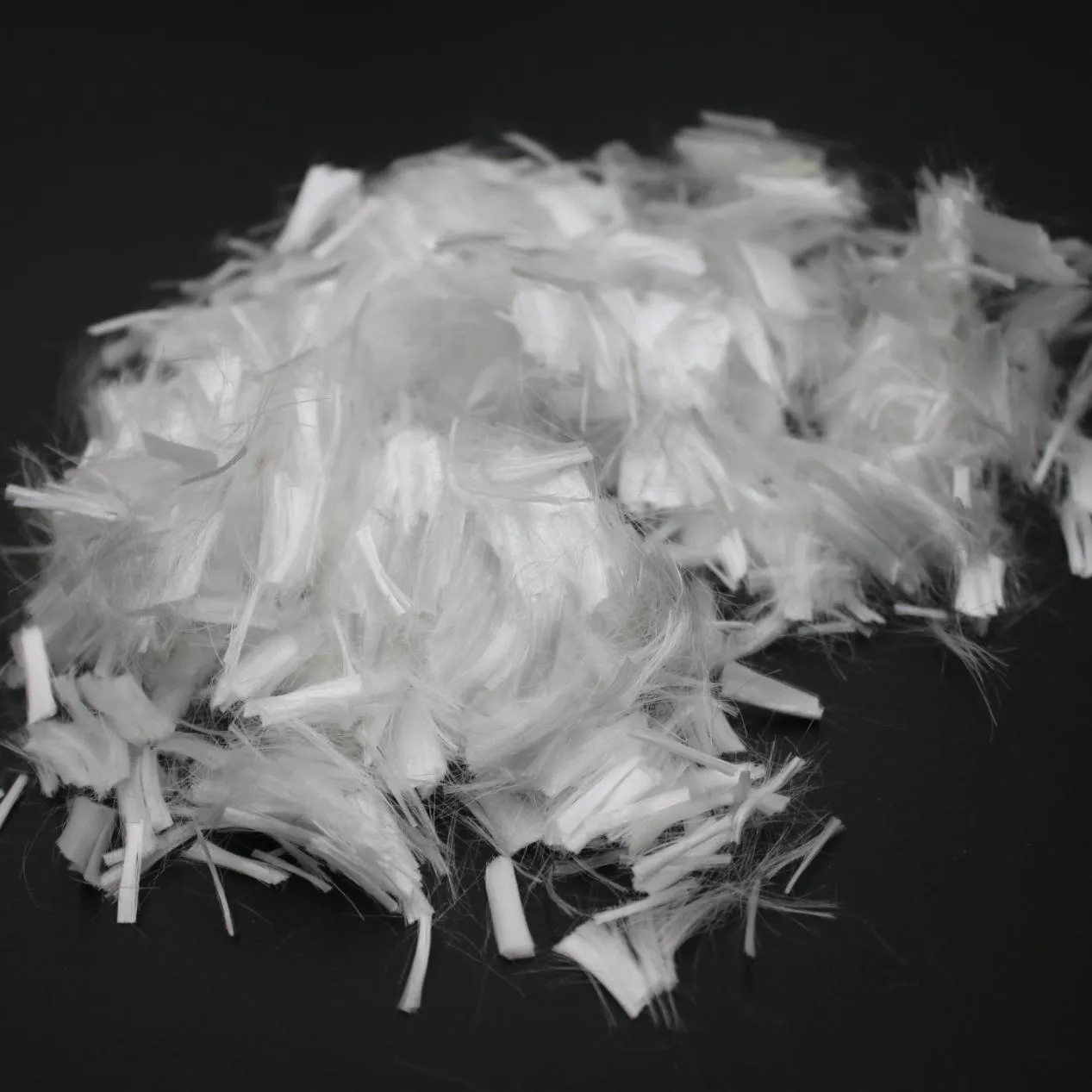 Polypropylene fiber used in precast concrete to improve crack resistance and durability
Step 5. Review the Dosage
Follow the manufacturer’s recommended dosage rather than assuming more polymer will produce better performance.
Many latex-modified systems use 5–15% polymer solids by weight of cement, while RDP content depends on the dry-mix formulation. Insufficient dosage may provide little benefit, whereas excessive dosage can increase cost and may affect workability or strength development.
Step 6. Conduct Trial Mixes
Always validate the formulation before full-scale production.
Typical evaluations include:
- Bond strength
- Flexural strength
- Water absorption
- Workability
- Surface appearance
- Durability
Trial mixes help optimize both polymer dosage and overall mix design under actual project conditions.
 Polycarboxylate superplasticizer powder dosage measurement during concrete admixture laboratory testing.
Limitations and Considerations
Concrete polymer additives can significantly improve the performance of cementitious materials, but they are not suitable for every application. Their effectiveness depends on proper material selection, formulation, and construction practices. Understanding the following limitations helps ensure consistent field performance.
Higher Material Cost
Polymer additives generally cost more than conventional cementitious materials. Although the increased durability or reduced maintenance may offset the initial investment over the service life of the structure, polymer modification is usually reserved for applications where improved performance justifies the additional material cost.
Compatibility with Cementitious Materials
Not every polymer performs equally well with every cement system. Cement type, supplementary cementitious materials (SCMs), fillers, and other admixtures can all influence polymer performance. Products that perform well in one formulation may produce different workability, setting behavior, or strength development in another. Compatibility should always be verified through testing before production.
Proper Curing Is Still Necessary
Polymer modification does not eliminate the need for proper curing. Cement hydration remains essential for strength development, while the polymer film also requires appropriate curing conditions to develop its intended properties. Premature drying, excessive moisture loss, or unfavorable curing conditions can reduce the effectiveness of both the cement and the polymer system.
Correct Dosage Matters
Polymer dosage should follow the manufacturer’s recommendations and the project requirements. Insufficient polymer may provide little performance improvement, while excessive dosage can increase cost and may adversely affect workability, strength development, or dimensional stability. More polymer does not necessarily produce better results.
Temperature and Environmental Conditions
Temperature influences both cement hydration and polymer film formation. Very low temperatures can slow hydration and delay polymer coalescence, while high temperatures may accelerate moisture loss before an adequate polymer film develops. Environmental conditions should therefore be considered when selecting materials and planning construction.
 Concrete can be placed in winter when proper cold-weather construction practices are followed.
Not a Replacement for Good Mix Design
A polymer additive cannot compensate for poor aggregate grading, an excessive water-to-cement ratio, inadequate consolidation, or improper construction practices. The best results are achieved when polymer modification is incorporated into a well-designed concrete or mortar mix with appropriate materials, proportioning, placement, and curing.
When selected correctly and used within a properly designed cementitious system, polymer additives can provide measurable improvements in durability and performance. However, they should be viewed as one component of the overall mix design rather than a standalone solution.
Conclusion
Concrete polymer additives provide a different approach to improving cementitious materials than traditional chemical admixtures. Rather than focusing primarily on fresh concrete behavior, they enhance the performance of the hardened cement matrix through polymer film formation.
When selecting a polymer additive, remember four key principles:
- Polymer additives primarily improve hardened concrete properties such as adhesion, flexibility, permeability, and durability.
- Different polymer systems are designed for different applications, including repair mortars, dry-mix products, decorative concrete, and GFRC.
- Polymer selection should be based on performance requirements and application conditions rather than product names or marketing claims.
- Compatibility testing, recommended dosage, and trial mixes are essential for achieving consistent long-term performance.
Frequently Asked Questions
What is a concrete polymer additive?
A concrete polymer additive is a polymer-based material added to cementitious systems to improve adhesion, flexibility, water resistance, crack resistance, and durability by forming a polymer film within the hardened cement matrix.
Is a polymer additive the same as a concrete admixture?
No. Traditional concrete admixtures mainly modify fresh concrete properties such as workability or setting time, while polymer additives primarily improve the performance of hardened cementitious materials.
What is the difference between polymer concrete and polymer-modified concrete?
Polymer-modified concrete still uses cement as the primary binder and adds polymers for improved performance. Polymer concrete replaces most or all of the cement with polymer resin.
What polymers are commonly used in concrete?
Common polymer additives include SBR, acrylic polymers, VAE emulsions, EVA emulsions, and redispersible polymer powders (RDP). Each is designed for different applications.
Does polymer increase concrete strength?
Usually, it improves bond strength, flexural strength, and tensile strength more than compressive strength. The actual improvement depends on the polymer type, dosage, and mix design.
Is SBR better than acrylic?
Neither is universally better. SBR is widely used for repair and waterproofing applications, while acrylic polymers are often preferred for decorative concrete and applications requiring UV resistance.
What is the difference between latex and RDP?
Latex is supplied as a liquid emulsion, while RDP is supplied as a dry powder that redisperses when mixed with water. RDP is commonly used in factory-produced dry-mix products.
Can polymer additives reduce cracking?
Yes. Polymer additives help reduce shrinkage-related microcracking by improving flexibility and stress distribution, but they cannot prevent structural cracking caused by poor design or excessive loads.
Are polymer additives waterproof?
Not completely. Polymer additives reduce water absorption and permeability, making cementitious materials more water-resistant, but they are not a substitute for dedicated waterproofing systems.
Can polymer additives replace cement?
Generally, no. Most polymer additives are used together with cement to improve performance. Only a few specialized binder systems can partially replace cement in specific applications.