July 30, 2026
Back to News
What Is Naphthalene Superplasticizer?
Naphthalene superplasticizer is a second-generation high-range water reducer used to improve the workability of concrete while reducing the amount of mixing water required.
It is commonly known as Sulfonated Naphthalene Formaldehyde (SNF) or Sodium Naphthalene Sulfonate Formaldehyde Condensate (NSFC). The material is produced through the sulfonation of naphthalene, followed by condensation with formaldehyde and neutralization with sodium hydroxide.
In concrete, SNF functions by dispersing cement particles through electrostatic repulsion. This process releases water trapped within cement flocculations, allowing concrete to achieve the same workability with a lower water-cement ratio.
 SNF superplasticizer can be used as a base material for producing retarding admixtures, pumping agents, antifreeze admixtures, and other functional concrete additives.
As a result, SNF can typically reduce water demand by 15–30%, depending on the dosage, cement type, and mix design. Lower water content generally leads to improved compressive strength, reduced permeability, and enhanced durability.
Under ASTM C494, naphthalene-based superplasticizers are commonly classified as:
- Type F: High-range water-reducing admixtures;
- Type G: High-range water-reducing and retarding admixtures.
Although polycarboxylate ether (PCE) superplasticizers have become the preferred option for many high-performance concrete applications, naphthalene superplasticizers remain widely used because of their cost efficiency, stable early-strength performance, broad cement adaptability, and long shelf life.
Today, SNF is still commonly used in:
- Ready-mixed concrete;
- Precast concrete;
- Pumped concrete;
- Bridges and highways;
- Mass concrete projects;
- Steam-cured concrete products.
For many producers, selecting SNF is not simply a matter of using an older technology. Instead, it is a practical decision based on local raw materials, construction requirements, and project economics.
Chemical Composition and Manufacturing Process
Naphthalene superplasticizer is synthesized through a series of chemical reactions involving naphthalene, sulfuric acid, formaldehyde, and sodium hydroxide. The production process determines the final molecular structure and performance characteristics of the product.

Sulfonation
The first step involves the reaction of naphthalene with concentrated sulfuric acid.
During this process, sulfonic acid groups are introduced into the naphthalene molecule, forming naphthalene sulfonic acid.
The introduction of these hydrophilic groups improves water solubility and provides the negatively charged sites responsible for cement particle dispersion.
Condensation with Formaldehyde
The sulfonated intermediates subsequently react with formaldehyde through a condensation reaction.
This process links individual molecules together to form naphthalene-formaldehyde condensate polymers.
The molecular weight of the condensate influences important properties such as:
- Water reduction performance;
- Dispersing efficiency;
- Slump retention characteristics;
- Compatibility with cement systems.
Neutralization
After condensation, the acidic product is neutralized using sodium hydroxide.
This treatment converts the sulfonic acid groups into sodium salts, resulting in the formation of sodium naphthalene sulfonate formaldehyde condensate, which is the commercial SNF product used in concrete production.
The neutralized product exhibits improved storage stability and is easier to transport and handle.
Powder vs Liquid Forms
Naphthalene superplasticizers are commercially available in both powder and liquid forms.
Powder SNF
Powder SNF is produced through spray drying and offers several logistical advantages:
- Lower transportation costs;
- Longer shelf life;
- Easier storage;
- Suitable for international shipment;
- Flexible dilution according to project requirements.
Because of these characteristics, powder SNF is commonly exported and used by dry-mix manufacturers.

Liquid SNF
Liquid SNF is supplied as a ready-to-use solution.
Its advantages include:
- Direct addition during batching;
- Elimination of on-site dissolution;
- Faster production efficiency;
- Reduced preparation time.
Liquid products are widely used in ready-mix concrete plants where automated dosing systems are available.
Advantages of Naphthalene Superplasticizer
Although polycarboxylate superplasticizers dominate many modern high-performance applications, naphthalene-based superplasticizers remain widely used because of their balanced performance, cost efficiency, and robust field adaptability.
High Water Reduction
Naphthalene superplasticizers are classified as high-range water reducers under ASTM C494 Type F or Type G.
This performance results from the electrostatic repulsion mechanism. Sulfonate groups adsorb onto cement particles and generate negative charges, causing cement grains to disperse and release water trapped within flocculated structures.
Lower water demand results in:
- Reduced water-cement ratio;
- Increased concrete strength;
- Improved impermeability;
- Better freeze-thaw resistance.
Because concrete durability is closely related to water-cement ratio, the reduction in mixing water is one of the primary reasons SNF improves hardened concrete performance.
Early Strength Development
Reducing mixing water generally increases concrete density and accelerates strength gain.
The lower water-cement ratio reduces capillary porosity, while improved cement dispersion allows hydration reactions to occur more efficiently.
Compared with reference concrete, properly dosed SNF systems often provide noticeable improvements in early compressive strength, which can support:
- Earlier formwork removal;
- Faster turnover of precast molds;
- Improved production efficiency.
These characteristics have contributed to the long-standing use of SNF in precast concrete production.
Improved Workability
The dispersing action of SNF significantly enhances fresh concrete properties.
By breaking down cement agglomerates and releasing trapped water, SNF increases the amount of free water available to lubricate the concrete mixture.
Benefits include:
- Improved pumpability;
- Easier placement;
- Better filling of congested reinforcement;
- Reduced vibration effort during compaction.
These advantages are particularly valuable in bridge decks, mass concrete, and pumped concrete applications.

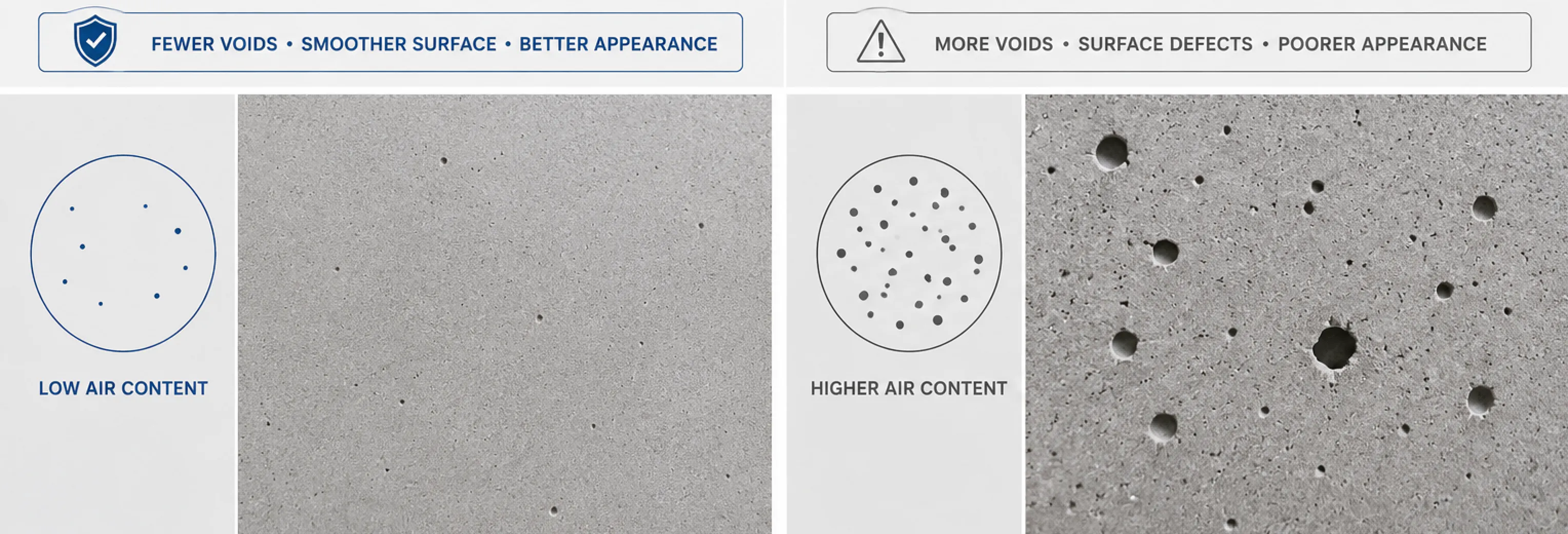
Low Air Entrainment
Lower unintended air entrainment can help minimize bugholes and surface voids, resulting in smoother and more uniform concrete finishes.
Naphthalene superplasticizers are generally considered non-air-entraining admixtures.
Unlike some surfactant systems designed to intentionally introduce microscopic air bubbles, SNF primarily functions through electrostatic dispersion and typically introduces minimal additional air. Unintended air contents often remain below 2% under normal conditions.
Lower air incorporation can contribute to:
- Improved surface appearance;
- Reduced occurrence of bugholes;
- Higher compressive strength;
- Better dimensional consistency in precast elements.
This characteristic makes SNF suitable for architectural and exposed concrete applications.
Cost Effectiveness
One of the major advantages of naphthalene superplasticizers is their favorable cost-performance ratio.
This economic advantage stems largely from their mature manufacturing process. SNF has been industrially produced for decades using widely available raw materials such as naphthalene, sulfuric acid, formaldehyde, and sodium hydroxide.
Compared with polycarboxylate superplasticizers, SNF offers:
- Lower production costs;
- Mature manufacturing technology;
- Broad market availability;
- Stable supply chains.
For many conventional concrete applications, SNF provides sufficient performance without the higher cost associated with newer technologies.
Long Shelf Life
SNF products exhibit good storage stability, particularly in powder form.
This stability is related to their relatively simple polymer structure and dry powder formulation, which are less susceptible to hydrolysis or molecular degradation during storage.
Advantages include:
- Extended shelf life;
- Reduced risk of performance loss during storage;
- Suitability for international transportation;
- Easier inventory management.
These characteristics are especially important for exporters and distributors serving overseas markets.
Good Clay Tolerance
Compared with many polycarboxylate systems, naphthalene superplasticizers generally demonstrate better tolerance toward aggregates containing moderate amounts of clay or fines.
This behavior is mainly associated with their electrostatic dispersion mechanism. PCE molecules rely heavily on their polyether side chains to provide steric hindrance, but these side chains can be preferentially adsorbed by clay minerals such as montmorillonite, reducing effectiveness. In contrast, SNF molecules have a more compact linear structure and are less susceptible to this type of interference.
This can provide:
- More stable slump performance;
- Reduced sensitivity to aggregate variability;
- Improved robustness under fluctuating raw material conditions.
For projects where aggregate quality cannot be strictly controlled, SNF often remains a practical and reliable option.

Limitations of Naphthalene Superplasticizer
Despite its widespread use and cost advantages, naphthalene superplasticizer is not suitable for every concrete application. Understanding its limitations helps producers select the appropriate admixture system and avoid performance-related issues.
Faster Slump Loss
One of the most commonly reported limitations of SNF is its relatively rapid slump loss.
Unlike polycarboxylate superplasticizers, which provide both electrostatic repulsion and steric hindrance, SNF relies primarily on electrostatic dispersion. As cement hydration progresses, this dispersing effect gradually weakens, leading to a faster reduction in workability.
Potential consequences include:
- Reduced pumping efficiency;
- Difficulty during placement and consolidation;
- Increased risk of adding water on site;
- Shorter allowable transportation times.
For projects involving long-distance transportation or extended placing times, slump-retaining PCE systems are often preferred.
 SNF superplasticizers provide excellent initial dispersion but typically experience faster slump loss as hydration progresses, making them less suitable for long transportation times than slump-retaining PCE systems.
Sensitivity to Cement Type
The effectiveness of SNF can vary depending on cement characteristics.
Factors such as:
- C₃A content;
- Sulfate balance;
- Cement fineness;
- Alkali content;
may influence adsorption behavior and dispersion efficiency.
As a result, the same dosage may produce different performance when used with different cement brands.
Trial mixes are therefore recommended whenever there is a change in cement source or mix design.
Overdosage Risks
Increasing SNF dosage does not always lead to better performance.
Excessive dosages may cause:
- Bleeding;
- Segregation;
- Extended setting time;
- Excessive slump;
- Reduced dimensional stability.
This occurs because excessive dispersion releases too much free water into the system, disrupting the balance between workability and cohesiveness.
For this reason, SNF dosage should always be determined through laboratory testing rather than field estimation.
 Bleeding occurs when water rises to the surface of fresh concrete, forming water pockets and reducing mixture stability.
If you want to get more information about dosage, you can read
Superplasticizer Dosage Guide: How Much Should Be Added to Concrete?
Limited Suitability for UHPC
SNF performs well in conventional high-strength concrete but is generally less suitable for ultra-high-performance concrete (UHPC).
UHPC mixtures often require:
- Water-binder ratios below 0.20;
- Efficient dispersion of silica fume and ultrafine powders;
- Extended workability during placement.
Because SNF relies mainly on electrostatic repulsion, its ability to disperse ultrafine particles is limited compared with the steric hindrance mechanism provided by PCE.
Consequently, polycarboxylate superplasticizers have become the preferred choice for most UHPC applications.

Potential Compatibility Issues with PCE
Combining SNF with polycarboxylate superplasticizers does not always produce additive benefits.
The study showed that:
- PCE side chains may collapse after interacting with SNF molecules;
- Steric hindrance effects become weaker;
- Sulfonate groups can become partially shielded;
- The absolute value of zeta potential decreases;
- Overall dispersion performance deteriorates.
As a result, mixing SNF and PCE without compatibility verification may lead to unexpected slump loss and reduced concrete performance.
Compatibility testing should therefore be conducted before combined use, particularly when switching admixture systems or reusing transport equipment.
Recommended Dosage of SNF Superplasticizer
The optimum dosage of SNF depends on concrete composition, environmental conditions, and performance requirements.
Laboratory validation remains essential for determining the most suitable dosage under local conditions.
Typical Dosage Range
The recommended dosage of SNF is generally 0.5–2.0% by weight of cementitious materials.
Typical dosage ranges include:
- 0.5–1.0% for moderate water reduction;
- 0.8–1.5% for high-strength concrete;
- 1.0–2.0% for highly flowable mixtures.
The exact dosage should be adjusted according to the target slump and strength requirements.
Saturation Point
SNF exhibits a dosage-performance relationship similar to other superplasticizers.
As dosage increases:
- Water reduction improves;
- Workability increases;
- Strength development benefits.
However, beyond a certain dosage level, additional SNF provides limited improvement while increasing the risk of bleeding and segregation.
This dosage threshold is commonly referred to as the saturation point.
Determining the saturation point through trial batching helps maximize performance while minimizing unnecessary admixture consumption.

Factors Affecting Dosage
Several factors influence the required SNF dosage:
- Cement type and mineral composition;
- Cement fineness;
- Fly ash replacement ratio;
- Slag content;
- Aggregate quality and clay content;
- Ambient temperature;
- Transportation duration;
- Required slump at discharge.
Because these variables differ from project to project, dosage recommendations should be treated as guidelines rather than fixed values.
Laboratory Testing Recommendations
Before large-scale production, trial batching should be performed using actual project materials.
Testing should evaluate:
- Initial slump;
- Slump retention over time;
- Setting time;
- Air content;
- Bleeding resistance;
- Compressive strength development.
Local validation is particularly important when changing cement suppliers, incorporating supplementary cementitious materials, or working under extreme temperature conditions.
A properly designed laboratory program helps ensure that the selected SNF dosage provides consistent performance under real construction conditions.
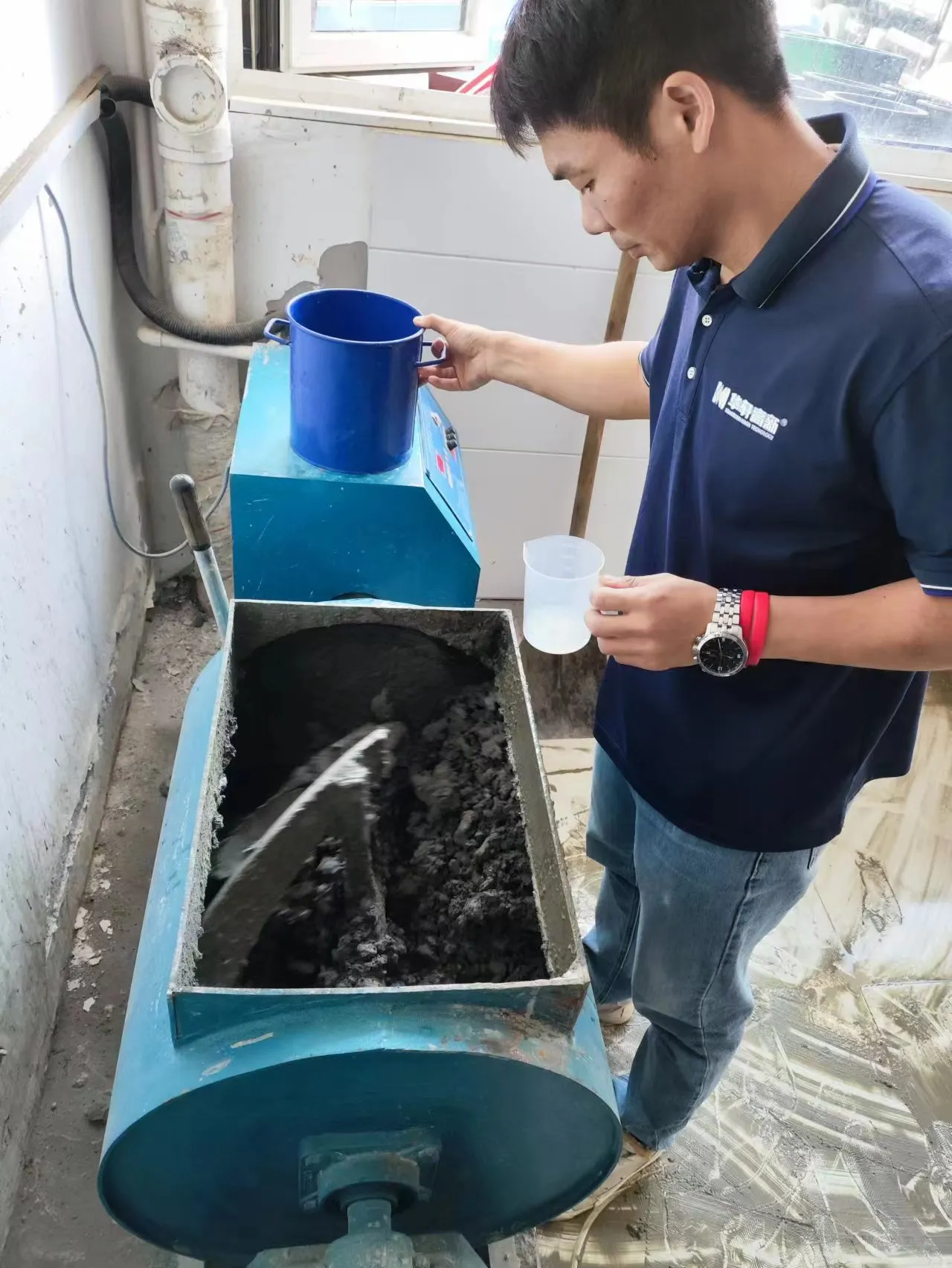 Technician performing concrete mixing and admixture performance testing in a construction materials laboratory.
Methods of Addition
The performance of naphthalene superplasticizer depends not only on dosage but also on when and how it is added during concrete production. Different addition methods may influence workability, slump retention, and construction efficiency.
Simultaneous Addition
In this method, SNF is added together with the mixing water during batching.
Advantages:
- Simple and convenient operation;
- Suitable for most conventional concrete production;
- Easy to standardize in ready-mix plants.
Limitations:
- Part of the admixture may be rapidly adsorbed by cement particles;
- Slump retention performance may be less effective compared with other dosing methods.
Delayed Addition
With delayed addition, SNF is introduced several minutes after the initial mixing of cement and water.
Research has shown that a delay of approximately 5 minutes can improve cement dispersion and help maintain workability.
Advantages:
- Improved fluidity;
- Better utilization of the superplasticizer;
- Reduced slump loss.
Limitations:
- Requires stricter control of mixing procedures;
- May not be practical for all batching operations.
Split Addition
Split addition involves dividing the total dosage into two stages.
Typically, part of the SNF is added during mixing, while the remainder is introduced later during transportation or before placement.
A second addition after approximately 15 minutes is commonly reported to provide effective slump recovery.
Advantages:
- Suitable for long transportation distances;
- Helps maintain target slump;
- Improves construction flexibility.
Limitations:
- Requires accurate dosage control;
- Delayed addition at an inappropriate time may reduce effectiveness.

Which Method Is Best?
There is no universal solution for every project.
- Simultaneous addition is generally preferred for simplicity and stable production.
- Delayed addition may provide improved workability when slump retention is critical.
- Split addition is often used for ready-mixed concrete requiring extended transportation times.
The most appropriate method should be selected based on transportation conditions, project requirements, batching equipment, and quality control capabilities.
For a more detailed discussion of dosing procedures, practical recommendations, and troubleshooting tips, please refer to our guide: How to Add Superplasticizer to Concrete Correctly.
Practical Tips to Reduce Slump Loss
Slump loss is one of the most common challenges when using naphthalene superplasticizers. While some reduction in workability over time is inevitable, appropriate mix design and construction practices can help maintain consistent concrete performance.
Optimize Dosage
Using too little SNF may result in insufficient dispersion, while excessive dosages can increase the risks of bleeding, segregation, and delayed setting.
The optimum dosage should be determined through laboratory testing based on the specific cementitious system and performance requirements.
In many cases, adjusting the dosage within the recommended range can significantly improve slump retention without compromising concrete stability.
Adjust Addition Timing
The timing of SNF addition influences how efficiently the admixture disperses cement particles.
Depending on project conditions, delayed addition or split addition may help maintain workability more effectively than conventional simultaneous addition.
Optimizing the dosing sequence is often a practical way to reduce slump loss without increasing admixture consumption.
Use Retarders When Necessary
In hot weather or projects involving extended transportation times, hydration reactions may accelerate, causing rapid slump loss.
Under these conditions, combining SNF with a compatible retarding admixture can help extend workable time and improve placement flexibility.
Compatibility testing should always be performed before combined use.
Reduce Water Instead of Re-Tempering
When slump decreases on site, adding extra water may seem like a quick solution. However, re-tempering increases the water-cement ratio and can reduce strength and durability.
Where slump adjustment is necessary, it is generally preferable to optimize the original mix design or use an appropriate admixture strategy rather than adding water after batching.
Conduct Trial Mixes Under Actual Site Conditions
Concrete performance in the laboratory may differ from field performance due to variations in temperature, transportation duration, aggregate moisture, and construction procedures.
Trial batches should therefore be carried out using actual project materials and simulated site conditions.
Evaluating slump retention, setting behavior, bleeding resistance, and strength development before large-scale production can help minimize construction risks and improve consistency throughout the project.

Typical Applications of Naphthalene Superplasticizer
Because of its reliable water-reducing performance, cost efficiency, and broad adaptability, naphthalene superplasticizer continues to be used in a wide range of concrete applications worldwide.
Ready-Mixed Concrete
SNF is widely used in commercial ready-mixed concrete production.
Its ability to reduce water demand while maintaining adequate workability makes it suitable for:
- Residential construction;
- Commercial buildings;
- General infrastructure projects;
- Medium-distance transportation scenarios.
For ready-mix producers, SNF often provides a practical balance between performance and cost.

Precast Concrete
The early strength development associated with SNF makes it particularly useful in precast production.
Benefits include:
- Faster demolding;
- Improved mold turnover rates;
- Increased production efficiency;
- Reduced storage requirements for finished products.
SNFA products with lower sodium sulfate content are often preferred in precast applications due to their enhanced durability characteristics.
 Proper concrete placement and vibration are essential for achieving dense, durable, and high-quality precast concrete elements.
Pumped Concrete
SNF improves the fluidity and cohesiveness of concrete mixtures, facilitating pumping operations.
Applications include:
- High-rise buildings;
- Long-distance horizontal pumping;
- Tunnel construction;
- Large-volume placements.
Proper dosage optimization is essential to balance pumpability and segregation resistance.
 Concrete pumping enables efficient placement over large reinforced areas, improving construction speed and ensuring continuous casting quality.
High-Strength Concrete
Naphthalene superplasticizers are frequently used to produce high-strength concrete in the range of 60–80 MPa.
By reducing the water-cement ratio without sacrificing workability, SNF contributes to:
- Higher compressive strength;
- Reduced permeability;
- Improved structural durability.
Before the widespread adoption of PCE technology, SNF was one of the primary admixtures used in high-strength concrete production.
Bridges and Highways
Bridge decks, highway pavements, and transportation infrastructure often require concrete with good workability and enhanced durability.
SNF can help achieve these objectives by providing:
- Lower water-cement ratios;
- Improved compaction;
- Increased resistance to chloride penetration;
- Enhanced long-term performance under traffic loading.
These characteristics have contributed to its extensive use in transportation projects worldwide.
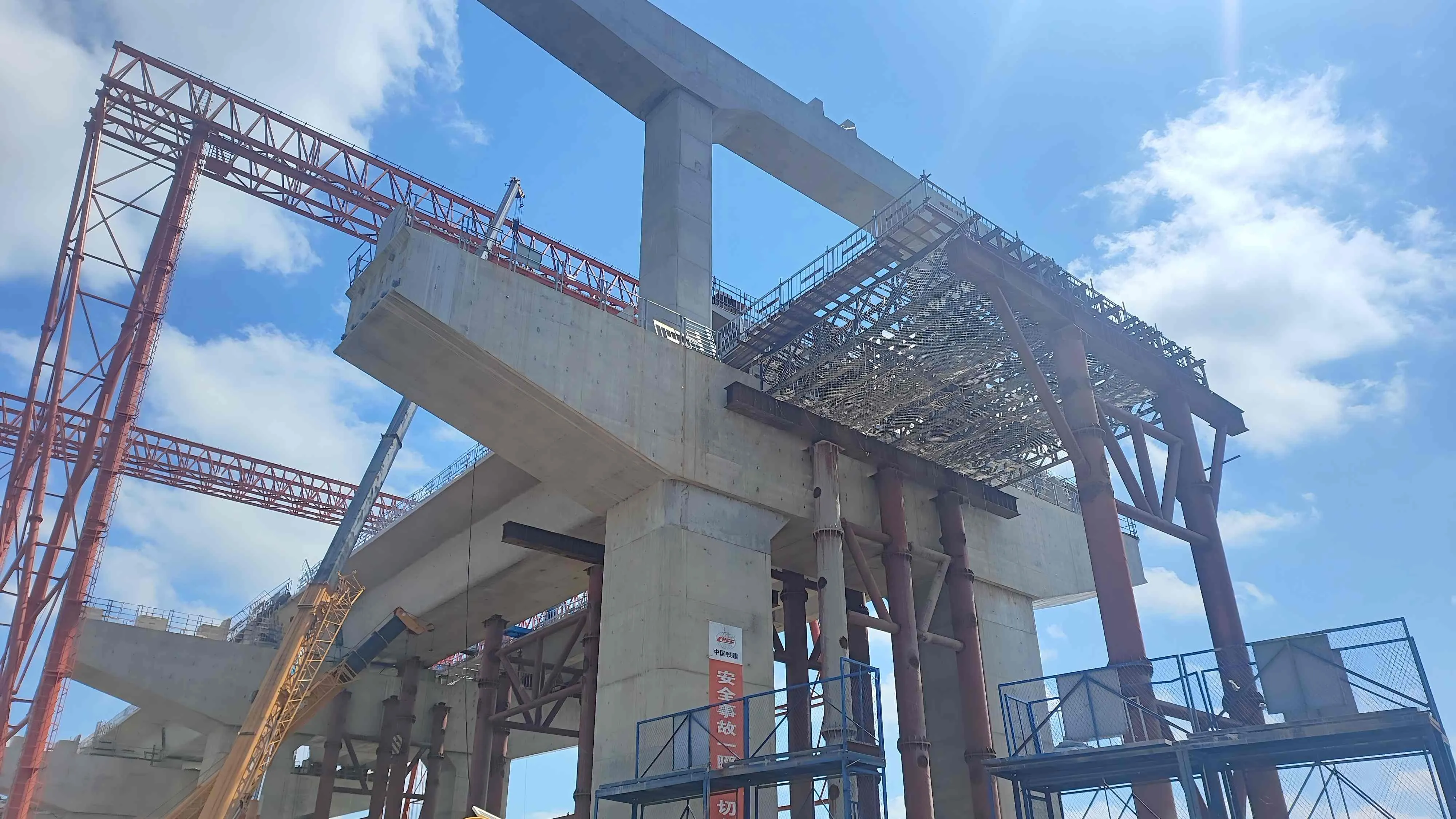
 Bridge infrastructure projects require high-performance concrete technologies to ensure long-term durability, structural safety, and efficient construction.
Mass Concrete
SNF is also used in mass concrete applications where large volumes of concrete are placed continuously.
Examples include:
- Thick foundations;
- Raft slabs;
- Large retaining structures;
- Industrial facilities.
Because hydration heat can accumulate in massive concrete elements, mix designs should consider temperature control measures to minimize thermal cracking risks.
Dams and Hydropower Projects
Historically, naphthalene superplasticizers have been used extensively in large-scale hydraulic engineering projects.
Their advantages in these applications include:
- Stable performance during continuous production;
- Suitability for large batching plants;
- Cost-effectiveness in high-volume concrete production.
Dams, spillways, and hydropower facilities often require enormous quantities of concrete, making admixture reliability and economic efficiency particularly important.
Steam-Cured Concrete
SNF is compatible with many steam-curing processes used in precast manufacturing.
Potential advantages include:
- Accelerated early strength development;
- Shorter production cycles;
- Improved utilization of curing chambers;
- Higher manufacturing efficiency.
When steam curing is employed, the curing regime should be established through testing to ensure that sufficient initial concrete strength has developed before temperature elevation begins.

How to Select the Right Naphthalene Superplasticizer
Not all naphthalene superplasticizers are designed for the same applications. Selecting the appropriate grade can help optimize performance and control costs.
Choose SNF-A When:
SNFA products typically contain sodium sulfate levels of 5% or lower, making them suitable for applications requiring higher purity and improved durability.
SNFA is often recommended when:
- Low sulfate content is specified;
- Precast concrete production is involved;
- Steam curing is used;
- Faster strength development is required;
- Higher durability performance is desired.
These characteristics make SNFA a common choice for precast factories and specialized concrete applications.
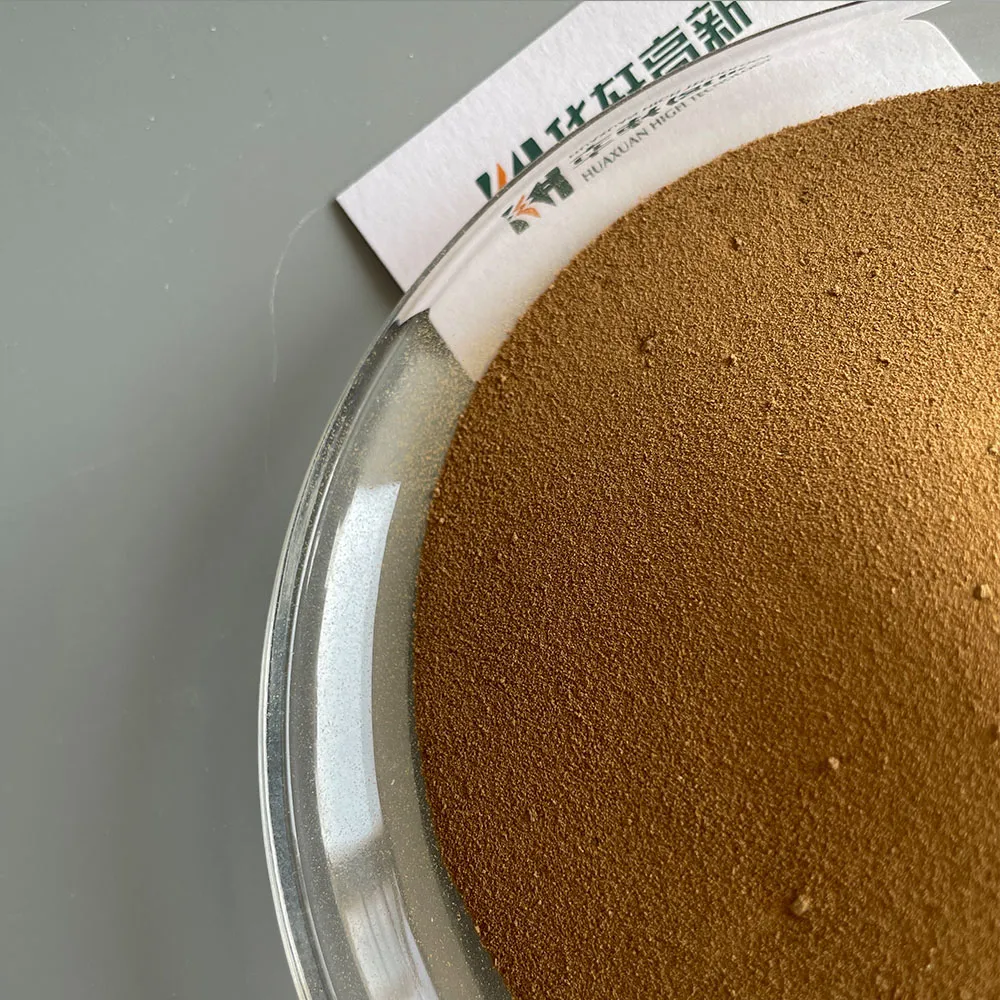
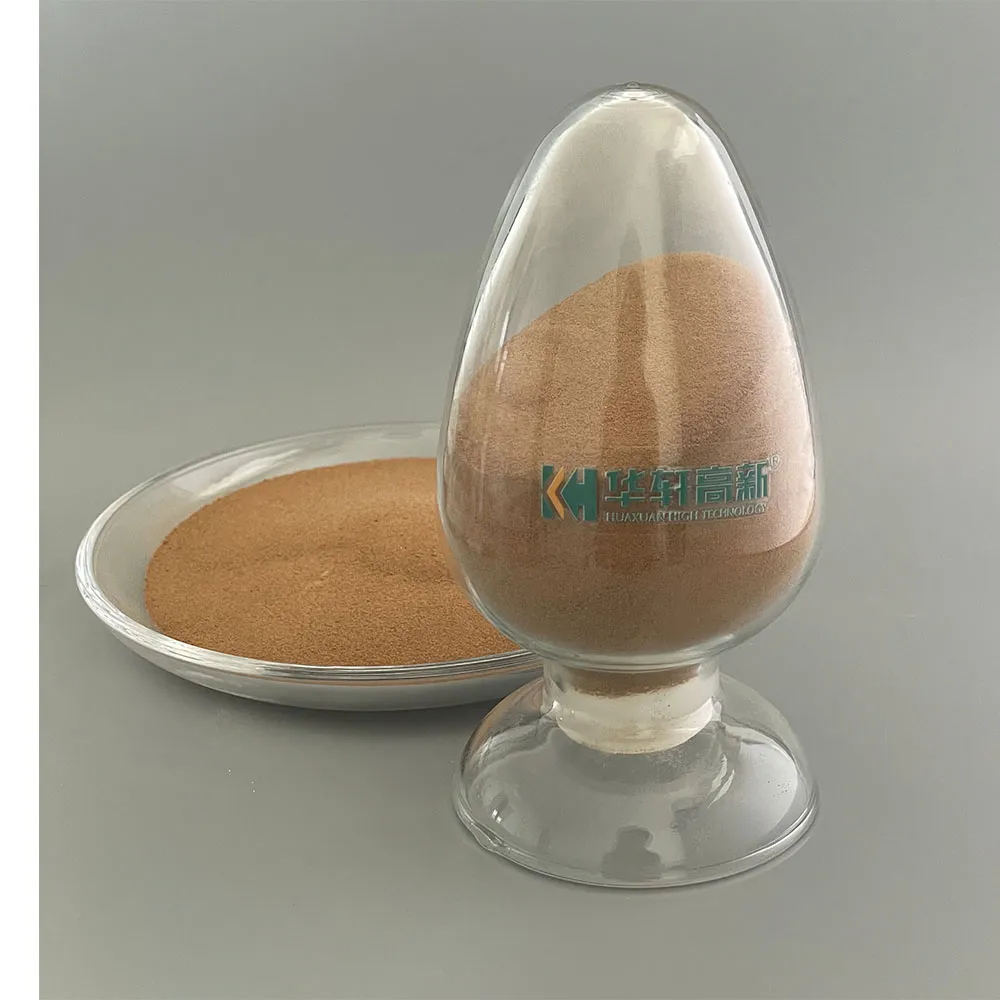 KH-SNFA low sodium sulfate SNF superplasticizer powder sample for concrete water reduction applications
Choose SNFC When:
SNFC products generally contain sodium sulfate levels up to 18%, providing a more economical solution for large-volume concrete production.
SNFC is often suitable when:
- Material economy is a primary concern;
- Ready-mixed concrete is being produced;
- Roads, bridges, and general infrastructure projects are involved;
- Standard strength requirements can be satisfied without premium admixture grades.
For many commercial concrete applications, SNFC provides a practical balance between performance and cost.
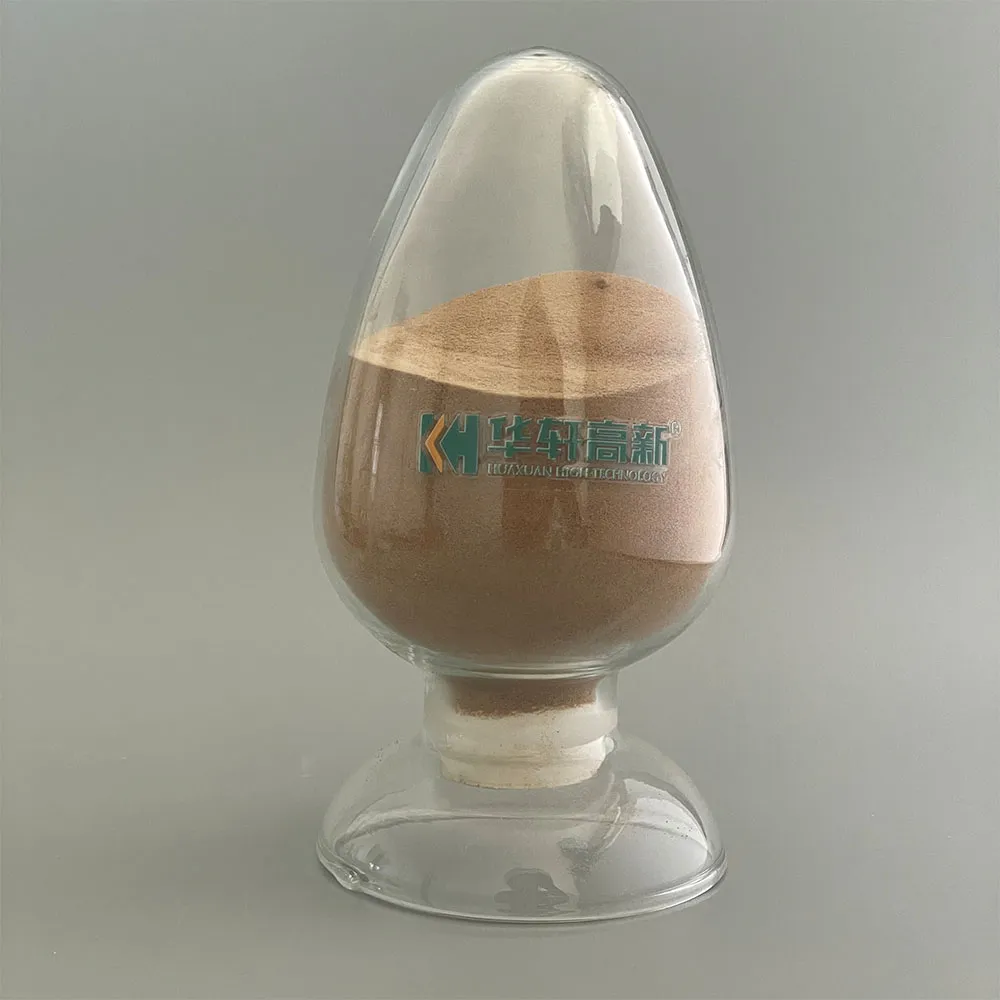 KH-SNFC naphthalene sulfonate superplasticizer powder display bottle.
Consult Technical Support for Customized Solutions
The performance of any superplasticizer depends on its interaction with local raw materials and production conditions.
Technical support can help optimize:
- Admixture dosage;
- Trial mix procedures;
- Cement compatibility;
- Supplementary cementitious material proportions;
- Slump retention requirements;
- Early strength targets.
Because cement composition, aggregate quality, and environmental conditions vary considerably between projects, laboratory validation and compatibility assessment are strongly recommended before large-scale production.
Selecting the right SNF grade is not simply about choosing the lowest-cost option—it is about identifying the most suitable solution for the specific performance requirements of the project.
 Laboratory testing plays a critical role in evaluating admixture performance and optimizing concrete mix designs for different applications.
Conclusion
Although polycarboxylate superplasticizers (PCEs) dominate many high-performance concrete applications today, naphthalene superplasticizers remain one of the most widely used high-range water reducers worldwide.
SNF continues to provide a practical balance of:
- Cost efficiency;
- Reliable water reduction;
- Early strength development;
- Low air entrainment;
- Broad applicability in ready-mixed and precast concrete.
The most suitable admixture is not necessarily the newest one. The final selection should be based on project requirements, raw material characteristics, transportation conditions, and overall economic considerations.
Frequently Asked Questions
Is SNF the same as FDN?
Yes. In many markets, FDN is simply another name for SNF (Sulfonated Naphthalene Formaldehyde) superplasticizer. Both refer to naphthalene-based high-range water reducers used in concrete.
What is the difference between SNF and PCE?
SNF disperses cement mainly through electrostatic repulsion, while PCE combines electrostatic repulsion and steric hindrance. PCE generally provides better slump retention and higher water reduction, whereas SNF offers better cost-effectiveness.
Can SNF be used with fly ash?
Yes. SNF is commonly used in fly ash concrete and generally shows good compatibility. However, trial mixes are recommended because fly ash quality and replacement levels can influence workability and dosage requirements.
Does SNF delay setting time?
Under normal dosage conditions, SNF has little effect on setting time. However, excessive dosage or certain cement types may lead to slight retardation.
What happens if too much SNF is added?
Overdosing SNF may cause bleeding, segregation, excessive slump, and delayed setting. The optimum dosage should always be determined through laboratory testing.
Can SNF and PCE be mixed?
Not without testing. Recent studies suggest that interactions between SNF and PCE may reduce dispersion efficiency and increase slump loss. Compatibility tests are strongly recommended before combined use.
Which is better, SNF or PCE?
It depends on the application. SNF is often preferred for cost-sensitive projects and steam-cured concrete, while PCE is usually selected for long slump retention, SCC, and UHPC.
What is the shelf life of SNF superplasticizer?
SNF powder typically has a shelf life of 12–24 months when stored in a dry environment. Liquid products generally have a shelf life of 6–12 months, depending on formulation and storage conditions.
Related Reading
For a broader overview of definitions, density, chemistry, product forms and selection, read What Is a Superplasticizer? Definition, Density, Types and Concrete Use.
To learn more about this topic, read PCE vs Naphthalene Superplasticizer.