July 30, 2026
Back to News

Quick Answer
Mid-Range Water Reducers (MRWR) and High-Range Water Reducers (HRWR) both improve concrete workability while reducing water demand, but they serve different performance levels.
MRWRs typically reduce water content by about 6–12% and are commonly used in ready-mix concrete, floor slabs, and general construction where improved slump, pumpability, and finishability are required.
The choice between MRWR and HRWR depends on the required water reduction, target strength, slump requirements, placement conditions, and overall project performance objectives.
Comparison Factor | Mid-Range Water Reducer (MRWR) | High-Range Water Reducer (HRWR / Superplasticizer) |
|---|---|---|
Water Reduction | Typically 6–12%, some systems up to 18% | Typically 12–40%, advanced PCE systems can reach 45% |
Typical Slump | Approximately 5–7 in. (125–180 mm) | High-slump, flowing concrete, SCC, often 8–12+ in. (200–300+ mm) |
Strength Potential | Moderate increase through lower w/c ratio | Significant increase through very low w/c ratios; suitable for HPC and UHPC |
Workability | Improved workability, pumpability, and finishability | Exceptional flowability and placement in congested reinforcement |
Slump Retention | Moderate; suitable for normal ready-mix transport | Varies by chemistry; modern PCE systems offer extended slump retention |
Durability | Lower permeability and improved durability versus conventional concrete | Greater reduction in permeability, improved chloride resistance, freeze-thaw durability, and service life |
Dosage Sensitivity | Relatively forgiving; wider dosage window | More sensitive; small dosage changes can significantly affect performance |
Risk of Segregation | Generally low | Higher if overdosed or improperly designed |
Risk of Overdosing | Usually limited to mild retardation or excessive slump | May cause segregation, bleeding, excessive retardation, air instability, or sticky mixes |
Common Chemistry | Modified lignosulfonates, synthetic polymers, low-power PCEs | PCE, SNF (naphthalene), SMF (melamine), advanced comb-polymer technologies |
ASTM Classification | No dedicated ASTM category; generally falls under Type A or low-dosage Type F | ASTM C494 Type F (High-Range Water Reducer) and Type G (High-Range Water Reducer + Retarder) [oai_citation:3‡ASTM International |
Cost | Lower admixture cost | Higher admixture cost but often lower total project cost through cement reduction and productivity gains |
Compatibility Requirements | Generally compatible with most conventional mix designs | More sensitive to cement chemistry, SCMs, sulfate balance, and clay contamination |
Typical Applications | Ready-mix concrete, residential slabs, pavements, sidewalks, foundations, pumped concrete | High-strength concrete, SCC, precast, prestressed concrete, bridge decks, high-rise pumping, UHPC |
Primary Goal | Improve workability while maintaining stability | Maximize water reduction, flowability, and performance |
What Is a Mid-Range Water Reducer (MRWR)?
A mid-range water reducer (MRWR) is a water-reducing admixture designed to provide greater workability and slump improvement than conventional water reducers while avoiding the extreme fluidity often associated with high-range water reducers (HRWRs).
MRWRs are commonly used in ready-mix concrete, floor slabs, commercial construction, and pumping applications where consistent workability and finishability are required without the need for very high water reduction.
 Mid-range water reducers improve slump and workability beyond conventional water reducers while maintaining better mix stability than high-range water reducers.
Typical Water Reduction Range
Most mid-range water reducers reduce water demand by approximately 6–12%, although some products may achieve reductions approaching 15–18% depending on dosage, cement chemistry, and mix design.
This level of water reduction is often sufficient to improve strength and durability while maintaining practical workability for everyday concrete applications.
Typical Slump Range
MRWRs are commonly used in concrete mixtures targeting slump values of approximately 5–7 inches (125–175 mm).
Compared with conventional water reducers, they provide improved flowability, easier placement, and better pumping performance without creating highly fluid or self-consolidating concrete.
 Mid-range water reducers typically increase concrete slump to approximately 5–7 inches (125–175 mm), providing improved workability and placement compared with conventional water reducers.
Common Chemistry
Modern MRWR products are typically formulated using:
- Modified lignosulfonates
- Synthetic polymer systems
- Low-dosage polycarboxylate ether (PCE) technology
The specific chemistry varies by manufacturer and performance requirements.
Main Advantages of MRWR
The primary reason contractors and producers choose MRWRs is to improve concrete handling while maintaining mix stability.
Key benefits include:
- Improved workability
- Better finishability
- Enhanced pumpability
- Moderate slump retention
- Lower segregation risk
- Reduced sensitivity compared with high-range water reducers
For many ready-mix and commercial concrete applications, MRWRs provide sufficient water reduction and workability improvement without the higher dosage requirements typically associated with HRWR systems.
What Is a High-Range Water Reducer (HRWR)?
A high-range water reducer (HRWR) is a water-reducing admixture designed to produce significantly greater water reduction and flowability than conventional or mid-range water reducers. HRWRs are commonly used when concrete requires high strength, high slump, or both simultaneously.
Under ASTM C494, most HRWRs are classified as Type F (High-Range Water-Reducing Admixture) or Type G (High-Range Water-Reducing and Retarding Admixture).
Typical Water Reduction Range
HRWRs typically reduce water demand by approximately 12–30%, while some advanced polycarboxylate ether (PCE) systems can achieve water reductions approaching 40% or more under optimized conditions.
This substantial reduction allows producers to achieve very low water-cement ratios while maintaining excellent workability.
Typical Slump Range
Unlike MRWRs, which are generally used for conventional workable concrete, HRWRs are often used to produce:
- High-slump concrete
- Flowing concrete
- Self-consolidating concrete (SCC)
- High-performance concrete (HPC)
- Ultra-high-performance concrete (UHPC)
These applications require significantly greater flowability without increasing water content.
Main Advantages of HRWR
The primary benefit of HRWR technology is its ability to combine low water-cement ratios with excellent workability.
Key advantages include:
- Maximum water reduction
- Superior flowability
- Higher compressive strength potential
- Lower permeability
- Enhanced durability
- Improved placement in congested reinforcement
Because cement particles are dispersed more efficiently, HRWRs can produce highly workable concrete while maintaining the dense microstructure required for long-term performance.
Why HRWR Is Often Called a Superplasticizer
HRWRs are commonly referred to as superplasticizers because they provide a much stronger plasticizing effect than conventional water reducers.
Early superplasticizers were primarily based on sulfonated naphthalene formaldehyde (SNF) and sulfonated melamine formaldehyde (SMF) chemistries. Today, most modern HRWR products use polycarboxylate ether (PCE) technology, which offers higher water reduction efficiency and improved slump retention.
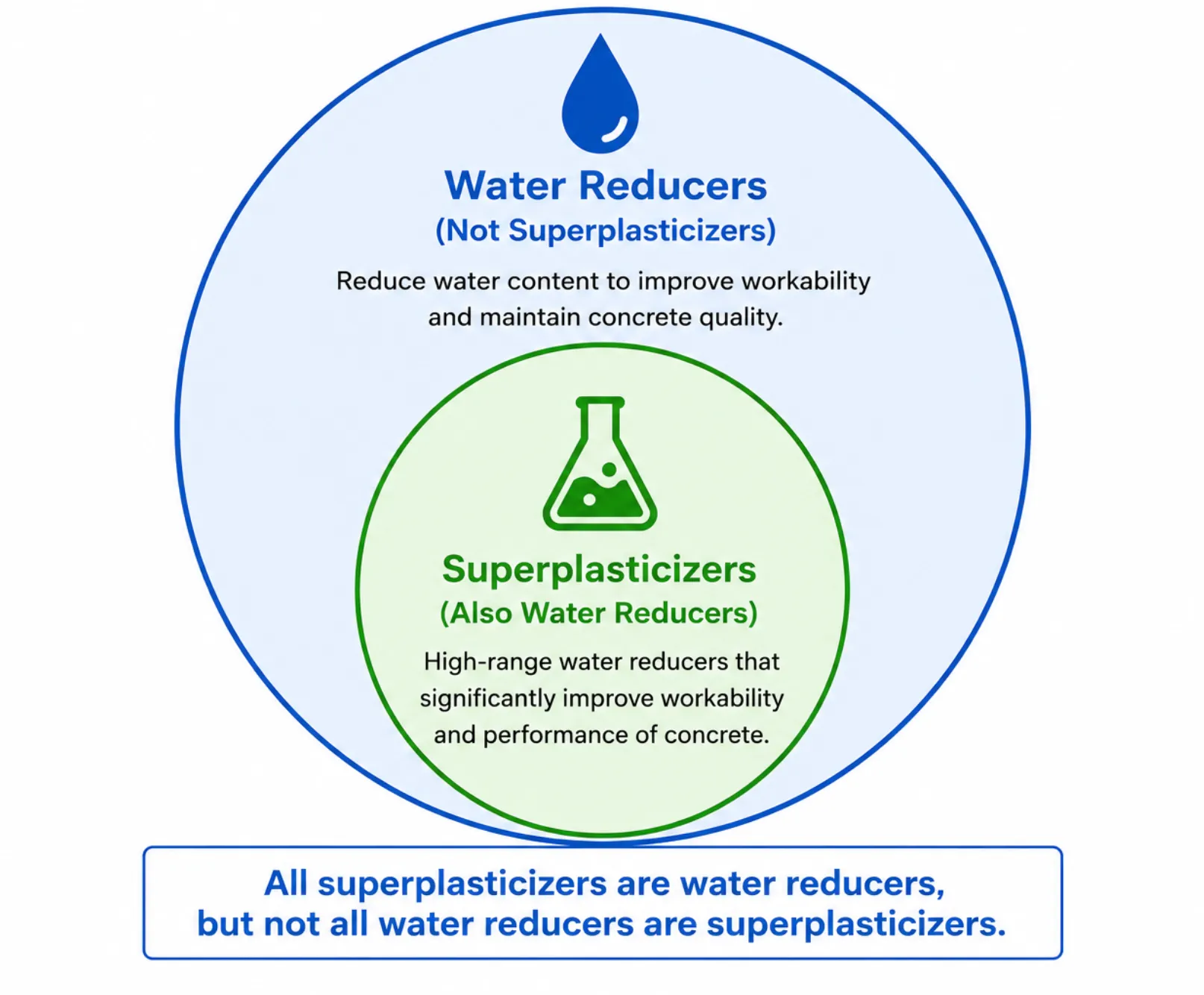
As a result, the terms HRWR and superplasticizer are often used interchangeably in the concrete industry, although “superplasticizer” generally refers to the performance level rather than a specific chemistry.
Mid-Range vs High-Range Water Reducer: Key Difference
Water Reduction Capability
The most significant difference between mid-range water reducers (MRWR) and high-range water reducers (HRWR) is the amount of water they can remove while maintaining workability.
MRWRs typically reduce mixing water by approximately 6–12%, although some advanced formulations can achieve water reductions approaching 18% under favorable conditions. Their primary purpose is to improve workability and pumpability while maintaining a stable, easy-to-finish concrete mix.
As a result, MRWR is usually selected for conventional concrete production, while HRWR is preferred when very low water-cement ratios or high-performance concrete are required.
 MRWR typically reduces water demand by 6–12%, while HRWR (superplasticizer) can reduce water demand by 12–40% or more, enabling lower water-cement ratios and higher-performance concrete
Workability and Flowability
MRWR improves workability without dramatically changing the behavior of fresh concrete. It helps concrete pump more easily, finish more smoothly, and move through reinforcement with less effort while maintaining good cohesion.
In practical terms, MRWR improves workability, while HRWR can fundamentally change the rheology of the concrete.
 MRWR improves concrete workability, pumpability, and finishability, while HRWR significantly increases flowability and can produce flowing concrete or self-consolidating concrete (SCC) without additional water.
Slump Retention Performance
Slump retention refers to how long concrete remains workable after mixing.
MRWR generally provides moderate slump retention suitable for normal transportation and placement periods. It is often sufficient for ready-mix operations with relatively short haul distances.
HRWR performance varies significantly depending on chemistry. Traditional naphthalene- and melamine-based superplasticizers often exhibit rapid slump loss, whereas modern polycarboxylate ether (PCE) technologies can maintain workability for extended periods. Specialized HRWR formulations are specifically designed for long-haul transportation and extended placement times.
For projects requiring extended workability, modern PCE-based HRWR systems generally outperform MRWR products.
 MRWR provides stable slump retention for typical ready-mix transportation and placement, while modern PCE-based HRWR systems can maintain workability for significantly longer periods during transport and construction
Strength Development Potential
Because compressive strength is closely linked to water-cement ratio, the greater water reduction achieved by HRWR creates greater strength potential.
MRWR can improve strength by lowering water demand moderately while preserving workability.
When maximum strength is the priority, HRWR provides a clear advantage.
HRWR enables significantly lower water-cement ratios than MRWR, creating greater potential for high-strength concrete, HPC, and UHPC applicationsDurability and Permeability
Lower water content produces a denser cement matrix with fewer capillary pores.
Both MRWR and HRWR improve durability by reducing permeability, limiting moisture penetration, and increasing resistance to chloride ingress and aggressive environmental exposure.
However, because HRWR generally achieves larger reductions in water demand, it often delivers greater improvements in durability, freeze-thaw resistance, sulfate resistance, and reinforcement protection.
For highly exposed infrastructure and marine environments, HRWR is often the preferred solution.
Dosage Requirements
MRWR products generally operate within a relatively broad dosage range and are less sensitive to small dosage variations.
HRWR products typically require more precise dosage control because their effect on slump and flowability is much stronger. Small dosage changes can significantly alter concrete behavior, especially with modern PCE systems.
As performance requirements increase, quality control becomes increasingly important.
 Superplasticizer dosage in concrete should be calculated based on cementitious material weight. Example: 400 kg/m³ binder content × 0.5% dosage = 2 kg superplasticizer per m³ concrete. Applicable to liquid PCE, powder PCE, and flake PCE products.
 Both MRWR and HRWR improve concrete durability by reducing permeability, but HRWR typically delivers greater protection due to its higher water reduction capability and denser cement matrix.
Want to know more about water reducer dosage? You can read
Superplasticizer Dosage Guide: How Much Should Be Added to Concrete?
Cost Considerations
MRWR is usually the more economical option for routine construction.
For residential slabs, sidewalks, foundations, and general ready-mix applications, MRWR often provides sufficient performance at a lower admixture cost.
HRWR generally carries a higher unit cost. However, the additional cost can often be offset through:
- Reduced cement consumption
- Higher early strength
- Faster form turnover
- Improved placement efficiency
- Lower labor requirements
- Enhanced long-term durability
For high-performance applications, HRWR frequently delivers a lower overall project cost despite a higher admixture cost.
Compatibility Requirements
MRWR products are generally more tolerant of variations in cement chemistry and supplementary cementitious materials.
HRWR systems are more sensitive to compatibility issues involving:
- Cement alkali content
- Sulfate balance
- Fly ash
- Slag
- Silica fume
- Clay-contaminated aggregates
Modern PCE-based admixtures can perform exceptionally well, but compatibility testing is often necessary to optimize dosage and slump retention performance.
For critical projects, laboratory trial mixes are strongly recommended when using HRWR.
Risk of Segregation and Overdosing
MRWR generally presents a lower risk of segregation because it produces moderate increases in flowability.
HRWR can create extremely fluid concrete. If overdosed, concrete may become unstable, resulting in:
- Aggregate segregation
- Excessive bleeding
- Delayed setting
- Air-content instability
- Sticky pumping behavior
- Finishability problems
These risks do not indicate poor product performance; rather, they highlight the importance of proper mix design and dosage control. Highly fluid concrete requires greater attention to stability than conventional mixtures.
For this reason, HRWR delivers greater performance potential, but also requires greater technical control.
Comparison Table: MRWR vs HRWR
Comparison Factor | Mid-Range Water Reducer (MRWR) | High-Range Water Reducer (HRWR / Superplasticizer) |
|---|---|---|
Water Reduction | Typically 6–12%, some systems up to 18% | Typically 12–40%, advanced PCE systems can reach 45% |
Typical Slump | Approximately 5–7 in. (125–180 mm) | High-slump, flowing concrete, SCC, often 8–12+ in. (200–300+ mm) |
Strength Potential | Moderate increase through lower w/c ratio | Significant increase through very low w/c ratios; suitable for HPC and UHPC |
Workability | Improved workability, pumpability, and finishability | Exceptional flowability and placement in congested reinforcement |
Slump Retention | Moderate; suitable for normal ready-mix transport | Varies by chemistry; modern PCE systems offer extended slump retention |
Durability | Lower permeability and improved durability versus conventional concrete | Greater reduction in permeability, improved chloride resistance, freeze-thaw durability, and service life |
Dosage Sensitivity | Relatively forgiving; wider dosage window | More sensitive; small dosage changes can significantly affect performance |
Risk of Segregation | Generally low | Higher if overdosed or improperly designed |
Risk of Overdosing | Usually limited to mild retardation or excessive slump | May cause segregation, bleeding, excessive retardation, air instability, or sticky mixes |
Common Chemistry | Modified lignosulfonates, synthetic polymers, low-power PCEs | PCE, SNF (naphthalene), SMF (melamine), advanced comb-polymer technologies |
ASTM Classification | No dedicated ASTM category; generally falls under Type A or low-dosage Type F | ASTM C494 Type F (High-Range Water Reducer) and Type G (High-Range Water Reducer + Retarder) [oai_citation:3‡ASTM International |
Cost | Lower admixture cost | Higher admixture cost but often lower total project cost through cement reduction and productivity gains |
Compatibility Requirements | Generally compatible with most conventional mix designs | More sensitive to cement chemistry, SCMs, sulfate balance, and clay contamination |
Typical Applications | Ready-mix concrete, residential slabs, pavements, sidewalks, foundations, pumped concrete | High-strength concrete, SCC, precast, prestressed concrete, bridge decks, high-rise pumping, UHPC |
Primary Goal | Improve workability while maintaining stability | Maximize water reduction, flowability, and performance |
Applications of Mid-Range Water Reducers
Mid-range water reducers (MRWRs) are commonly selected when a project requires improved workability and moderate water reduction without the extremely high flowability associated with superplasticizers. They bridge the gap between conventional water reducers and high-range water reducers, making them one of the most versatile admixture categories in modern concrete production.
Ready-Mix Concrete
Ready-mix concrete is one of the largest application areas for MRWR.
Producers use MRWR to improve slump, maintain workability during transportation, and reduce water demand without significantly changing the handling characteristics of the mix. The result is concrete that is easier to place and finish while maintaining strength and durability requirements.
MRWR is particularly valuable when consistent workability is needed across varying haul distances and jobsite conditions.
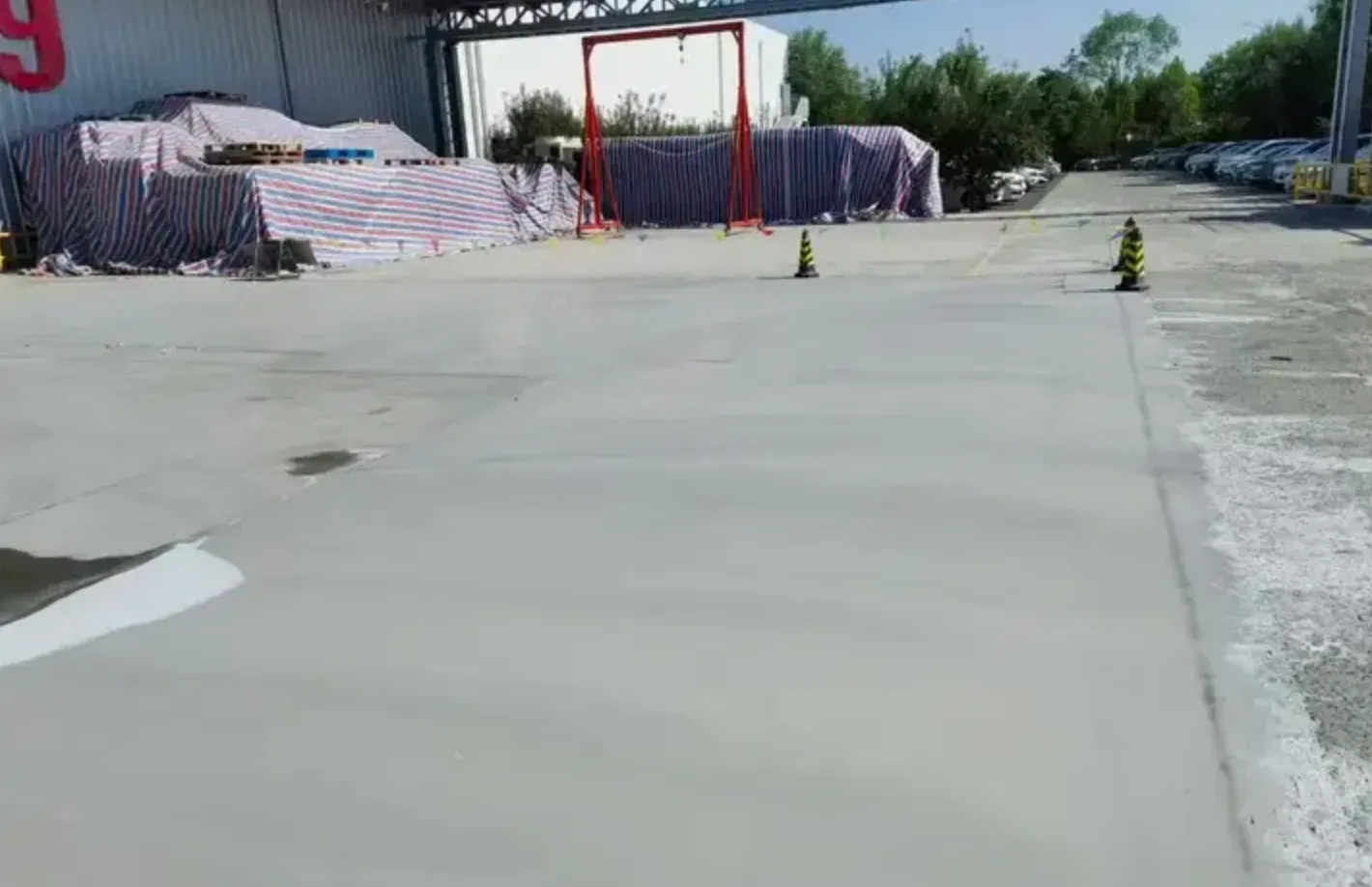
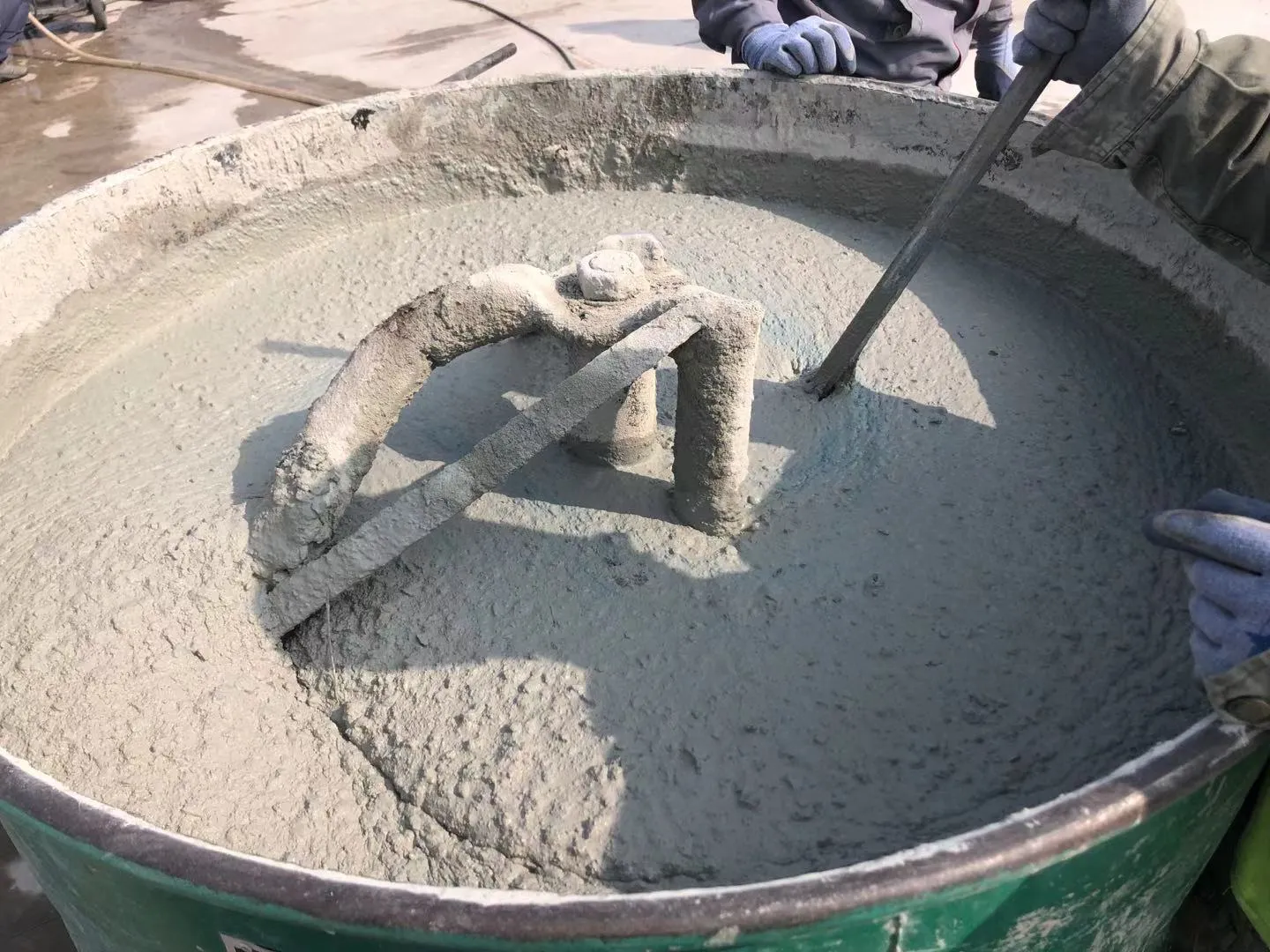 On-site concrete mixing and workability evaluation for polycarboxylate superplasticizer formulation testing.
Floor Slabs
Concrete floor slabs require a balance between workability, finishability, and surface quality.
MRWR helps contractors achieve smoother finishing, improved screeding performance, and more uniform surface appearance. Because the concrete remains cohesive, the risk of segregation and excessive bleeding is generally lower than with highly fluid mixes.
This makes MRWR a common choice for:
- Warehouse floors
- Commercial slabs
- Industrial floors
- Parking structures
- Residential slab-on-grade construction
Pumped Concrete
Concrete pumping requires a mix that can move efficiently through pipelines while remaining stable.
MRWR improves pumpability by reducing internal friction and increasing concrete cohesiveness. It allows the mix to flow more easily without requiring excessive water addition, which helps maintain design strength and durability.
For many routine pumping operations, MRWR provides sufficient flowability without the higher dosage requirements associated with HRWR.
Commercial Buildings
Commercial construction projects often require concrete that is easy to place, easy to finish, and capable of meeting specified strength requirements.
MRWR is widely used in:
- Office buildings
- Retail developments
- Schools
- Hospitals
- Parking garages
Because it improves workability while maintaining mix stability, MRWR helps contractors achieve efficient placement and consistent quality across large concrete pours.
General Structural Concrete
For most beams, columns, walls, foundations, and structural slabs, extreme flowability is not required.
In these applications, MRWR often provides the ideal balance of:
- Moderate water reduction
- Improved strength
- Better placement characteristics
- Reduced permeability
- Improved durability
As a result, it is commonly specified in general structural concrete where conventional water reducers may not provide enough workability, but a full HRWR system would be unnecessary.
Precast Concrete
Many precast producers use MRWR to improve mold filling, surface finish quality, and early strength development.
Compared with conventional water reducers, MRWR can provide improved flowability and better consolidation while maintaining production efficiency. Some precast operations use MRWR as a cost-effective alternative to high-range water reducers for products that do not require SCC-level flowability.
Typical precast applications include:
- Utility products
- Wall panels
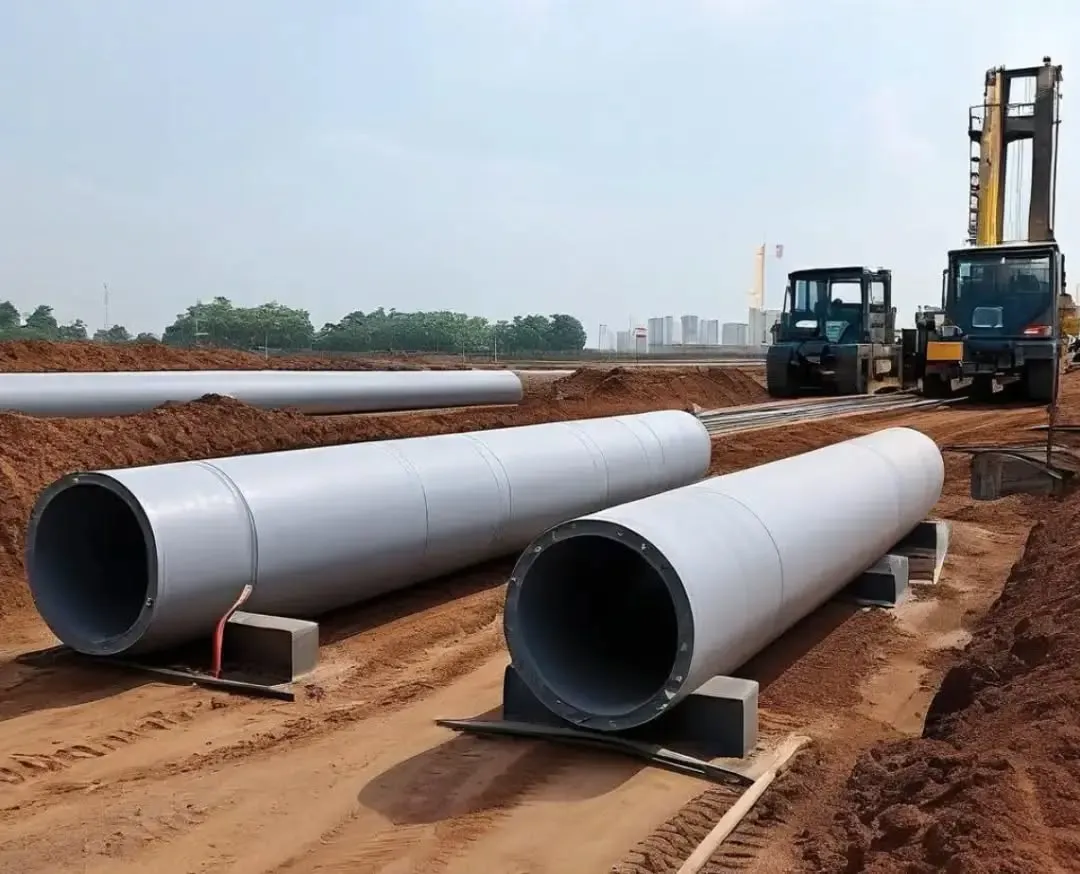
- Pipes
- Box culverts
- Architectural precast elements
Residential Construction
MRWR is widely used in residential concrete because it improves workability without substantially increasing material cost.
Common residential applications include:
- Driveways
- Sidewalks
- Patios
- Garage floors
- Foundations
- Residential slabs
The improved finishability provided by MRWR is especially beneficial for flatwork contractors, helping achieve better surface quality while maintaining strength and durability.
Why MRWR Is Often Chosen for These Applications
Most concrete projects do not require the extreme flowability or 25–40% water reduction associated with high-range water reducers. Instead, they benefit from the balanced performance of MRWR, which offers:
- Moderate water reduction
- Improved pumpability
- Better finishability
- Reduced permeability
- Lower segregation risk
- Lower dosage sensitivity
- More economical admixture costs
For everyday ready-mix, commercial, residential, and general structural concrete, MRWR often provides the most practical and cost-effective solution.
Applications of High-Range Water Reducers
High-range water reducers (HRWRs), also known as superplasticizers, are typically used when conventional or mid-range water reducers cannot provide sufficient flowability or water reduction. By reducing water demand by 12–40% or more while maintaining workability, HRWRs enable the production of high-performance concrete with superior strength, durability, and placement characteristics.
High-Strength Concrete (HSC)
High-strength concrete usually relies on very low water-cement ratios, often below 0.40 and sometimes below 0.30.
Without HRWR, such low-water mixes would be too stiff for proper placement and consolidation. HRWR allows significant water reduction while maintaining workable slump, making compressive strengths above 60 MPa (8,700 psi) practical for structural applications.
Common applications include:
- High-rise structural columns
- Heavy-load industrial structures
- Parking structures
- Long-span structural members

Self-Consolidating Concrete (SCC)
Self-consolidating concrete is one of the most important applications of HRWR technology.
SCC must flow under its own weight, completely fill formwork, and pass through dense reinforcement without vibration. This level of flowability is generally impossible without high-range water reducers combined with proper mix design.
Benefits include:
- Elimination of vibration
- Faster placement
- Better surface finish
- Reduced labor requirements
- Improved consolidation around reinforcement
 Self-compacting concrete (SCC) requires high flowability, passing ability, and low segregation risk. PCE superplasticizers are widely used to meet SCC performance requirements.
Precast and Prestressed Concrete
Precast producers frequently use HRWR to achieve high early strength, excellent mold filling, and improved production efficiency.
The increased flowability allows concrete to fill complex molds and densely reinforced sections while maintaining low water-cement ratios. Faster strength development can also shorten stripping times and improve mold turnover rates.
Typical products include:
- Precast wall panels
- Bridge girders
- Hollow-core slabs
- Utility poles
- Prestressed beams
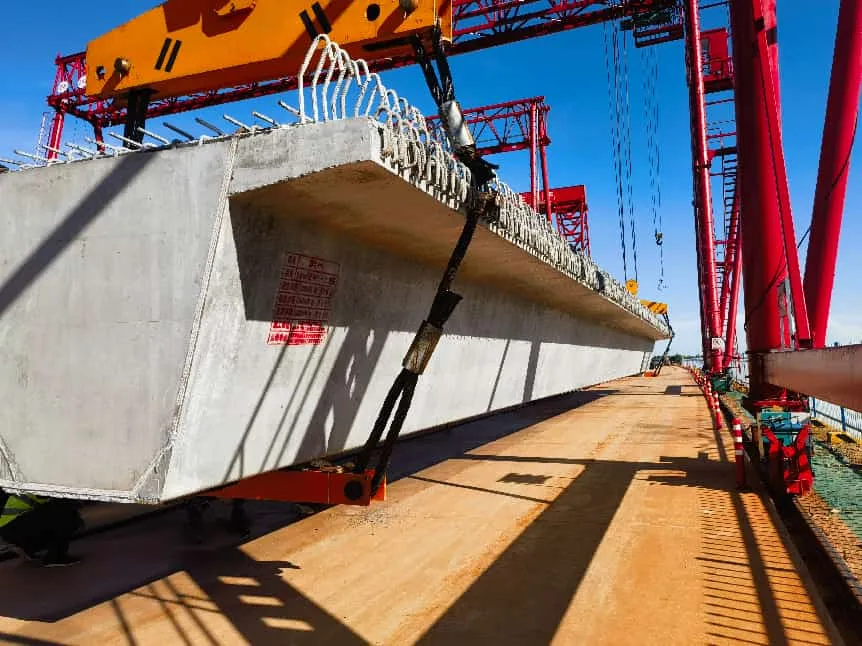 Precast concrete beam used for structural support and load transfer in construction projects
High-Rise Construction
Concrete pumping distances continue to increase as buildings become taller.
HRWR improves pumpability and flowability while maintaining strength requirements. Modern PCE-based superplasticizers can also provide extended slump retention, allowing concrete to remain workable during long pumping operations and extended placement periods.
For many high-rise projects, HRWR has become a standard component of the concrete mix design.
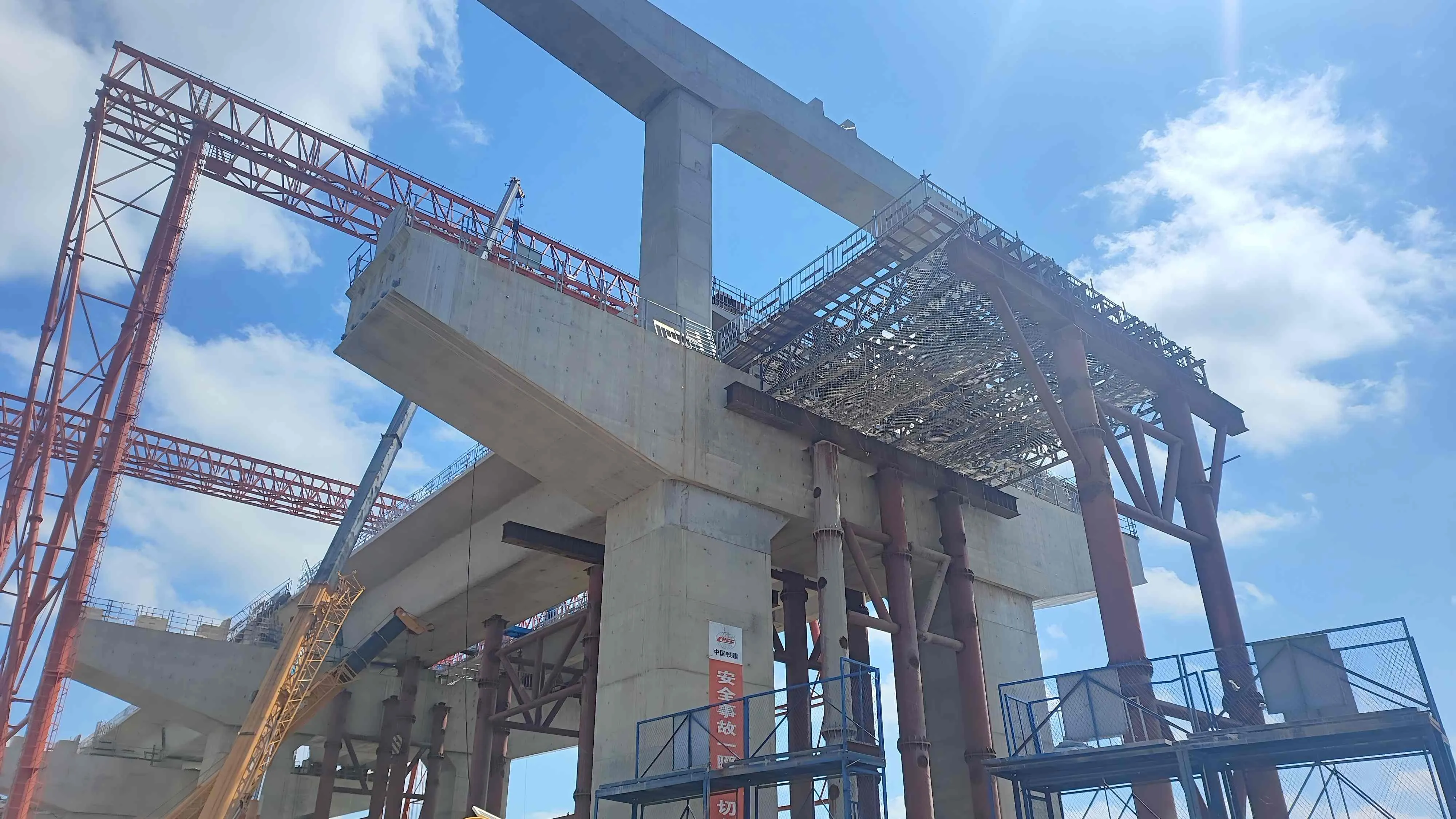
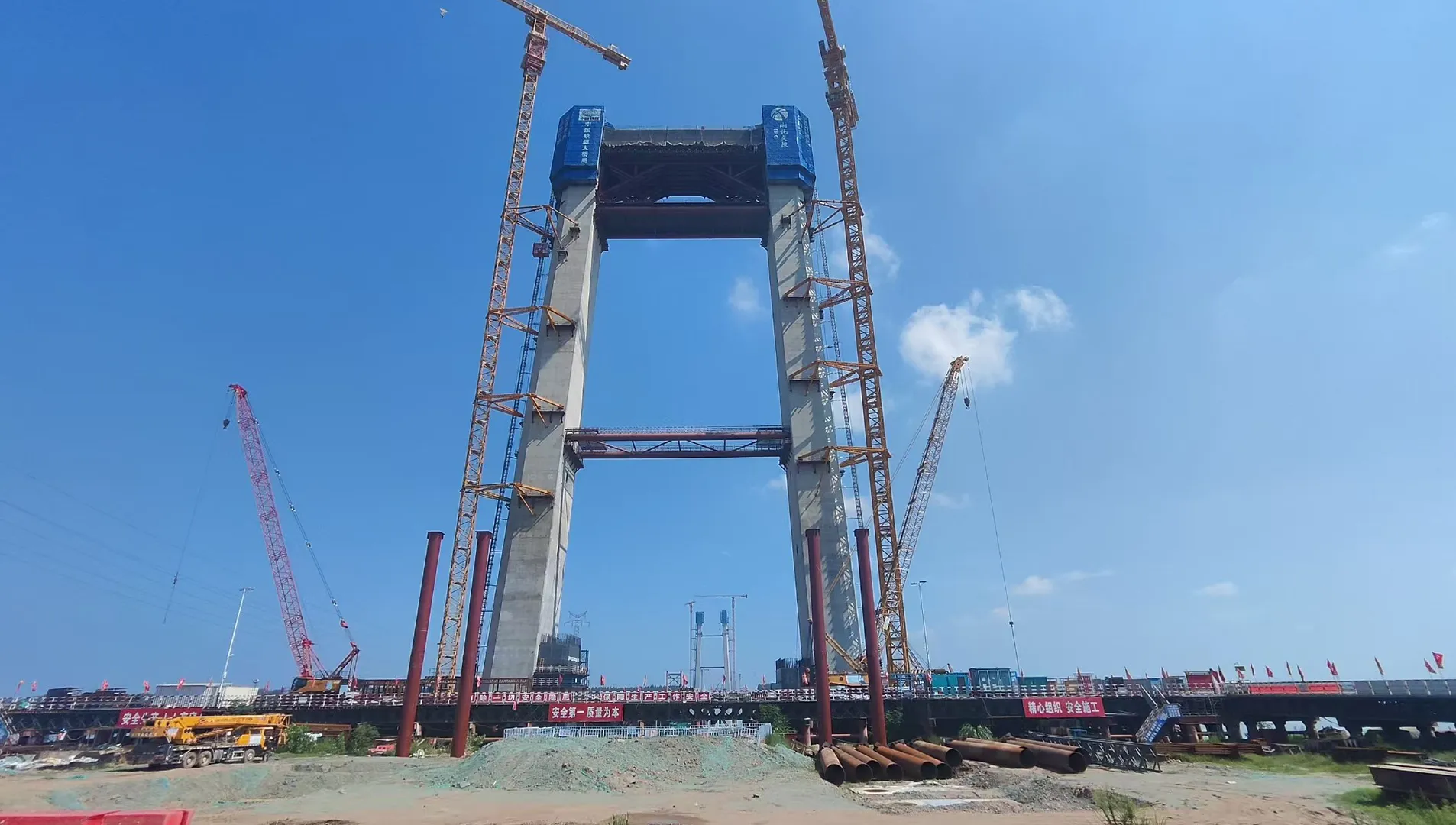 High-strength concrete is widely used in bridge towers, cable-supported bridges, and major infrastructure projects where high load capacity, durability, and long service life are critical
Bridges and Infrastructure
Infrastructure projects often require concrete with:
- High durability
- Low permeability
- Long service life
- High strength
HRWR helps achieve these performance targets by lowering the water-cement ratio and producing a denser concrete matrix. Reduced permeability improves resistance to chloride penetration, freeze-thaw damage, and other durability-related deterioration mechanisms.
Common infrastructure applications include:
- Bridge decks
- Marine structures
- Tunnels
- Dams
- Transportation infrastructure
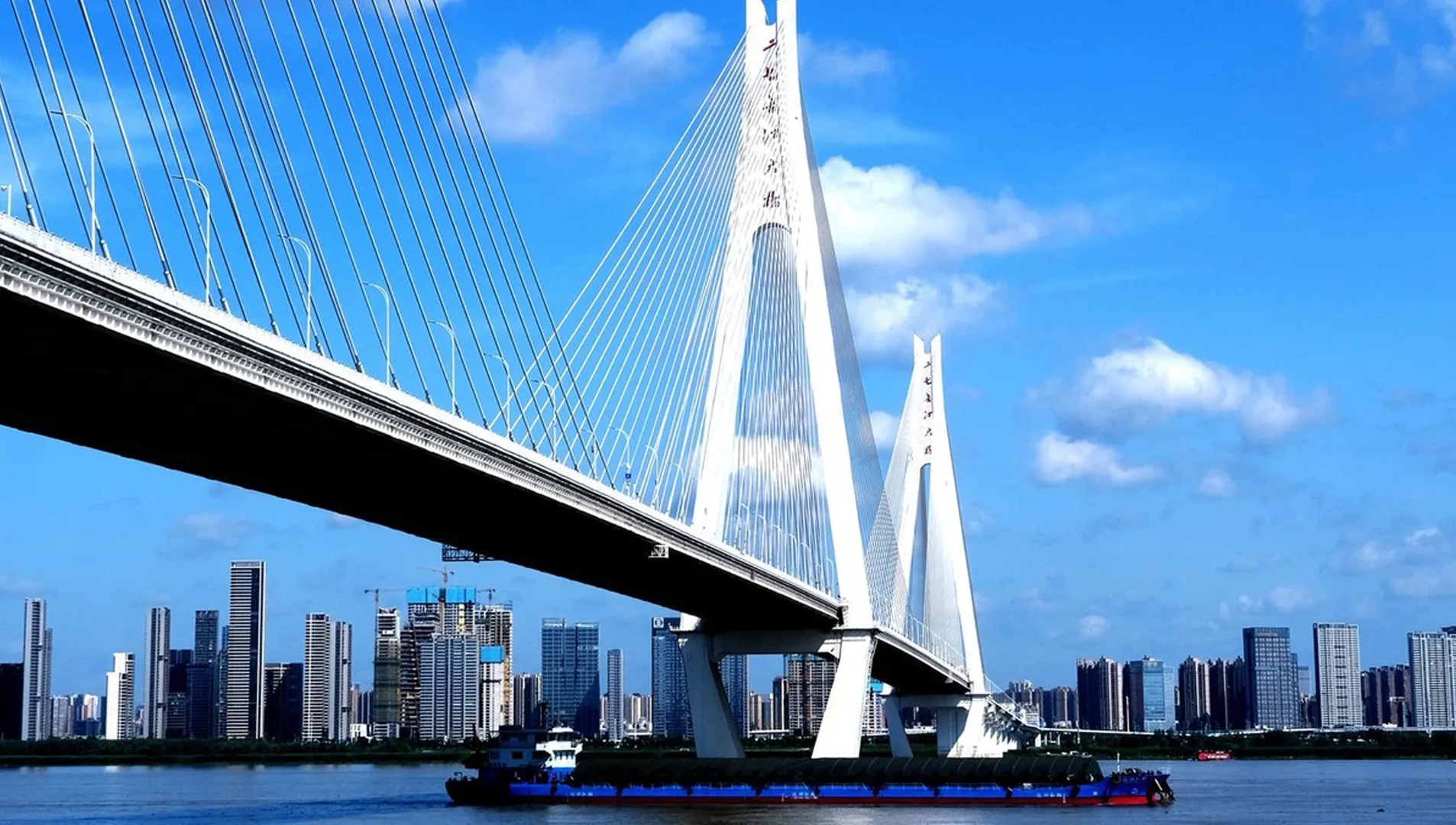 Long-span cable-stayed bridges often utilize high-strength concrete to achieve superior structural capacity, durability, and long-term service life.
Architectural Concrete
Architectural concrete requires excellent surface appearance and uniformity.
HRWR improves mold filling and reduces the likelihood of honeycombing, voids, and surface defects. The enhanced flowability also allows complex shapes, intricate formwork, and exposed architectural finishes to be produced more consistently.
Typical applications include:
- Exposed concrete facades
- Decorative precast panels
- Landmark structures
- Complex architectural forms
Ultra-High Performance Concrete (UHPC)
UHPC would not be practical without HRWR technology.
UHPC mixtures often use water-binder ratios as low as 0.15–0.20 while incorporating silica fume, fine powders, and high cementitious contents. These materials create extremely dense particle packing but require powerful dispersion to remain workable. Modern PCE-based HRWRs provide the flowability needed to produce UHPC while maintaining ultra-low water content.
Typical UHPC applications include:
- Long-span bridges
- Thin structural elements
- Blast-resistant structures
- Accelerated bridge construction
- High-performance precast components
Why HRWR Dominates These Applications
Across all of these applications, the common requirement is the ability to achieve both high workability and low water-cement ratios simultaneously.
HRWR makes this possible by providing:
- 12–40%+ water reduction
- Superior flowability
- Improved pumpability
- Higher compressive strength
- Lower permeability
- Enhanced durability
- Better consolidation in congested reinforcement
When projects require maximum performance rather than simply improved workability, HRWR is usually the preferred admixture technology
How to Choose Between MRWR and HRWR
Selecting between a Mid-Range Water Reducer (MRWR) and a High-Range Water Reducer (HRWR) depends on the performance requirements of the concrete rather than simply choosing the admixture with the highest water reduction. In many projects, MRWR provides sufficient performance at lower cost, while HRWR becomes necessary when strength, flowability, or durability requirements become more demanding.
Based on Required Water Reduction
The target water reduction is often the easiest starting point.
- If the mix requires approximately 6–12% water reduction, MRWR is usually sufficient.
- If the mix requires 12–40% water reduction, HRWR is typically necessary.
- For very low water-cement ratios below 0.35, HRWR is usually the preferred option.
As water reduction requirements increase, the performance advantage of HRWR becomes more significant.
Based on Strength Requirements
Concrete strength is closely related to water-cement ratio.
For conventional structural concrete in the 25–50 MPa (3,500–7,000 psi) range, MRWR often provides adequate strength improvement.
When projects require:
- High-strength concrete (HSC)
- High-performance concrete (HPC)
- Prestressed concrete
- UHPC
HRWR is generally required because it allows much lower water-cement ratios while maintaining workable concrete.
Rule of thumb:
- Standard structural strength → MRWR
- Maximum strength potential → HRWR
Based on Slump Requirements
The required slump and flowability often determine the admixture selection.
MRWR is typically suitable for:
- 5–7 in. slump concrete
- Conventional pumping
- Standard placement conditions
HRWR is often required for:
- High-slump concrete
- Flowing concrete
- SCC
- Congested reinforcement
- Long-distance pumping
If vibration becomes difficult or access is limited, HRWR usually becomes the better choice.
Based on Transport Distance
Transportation time affects workability retention.
For short haul distances and normal ready-mix delivery, MRWR is often adequate.
For:
- Long-haul transportation
- Urban traffic delays
- Large infrastructure projects
- Extended placement periods
modern PCE-based HRWR systems often provide better slump retention and placement flexibility.
The longer the concrete must remain workable, the more attractive HRWR becomes.
Based on Weather Conditions
Temperature significantly influences concrete behavior.
In moderate weather conditions, MRWR generally performs well.
In hot weather:
- Faster slump loss occurs
- Placement windows become shorter
- Water demand increases
Under these conditions, HRWR—particularly Type G admixtures with retardation properties—can provide better workability retention and placement control.
For hot-weather concreting, HRWR often offers a larger safety margin.
Based on Durability Requirements
When long-term durability becomes a primary objective, lower permeability becomes increasingly important.
MRWR can improve durability by reducing water demand and refining the concrete microstructure.
However, HRWR typically delivers:
- Lower permeability
- Higher density
- Better chloride resistance
- Improved freeze-thaw performance
- Greater reinforcement protection
For bridges, marine structures, parking structures, and aggressive environments, HRWR is often preferred.
Based on Project Budget
Initial admixture cost should not be the only consideration.
MRWR generally offers:
- Lower admixture cost
- Simpler quality control
- Adequate performance for many projects
HRWR generally involves:
- Higher admixture cost
- More precise dosage control
- Greater performance benefits
However, HRWR may reduce total project costs through:
- Cement reduction
- Faster placement
- Reduced labor
- Higher early strength
- Faster form turnover
For routine construction, MRWR is often the more economical solution. For performance-driven projects, HRWR frequently delivers better overall value.
Practical Selection Guidelines
Project Requirement | Recommended Choice |
|---|---|
Residential slabs and sidewalks | MRWR |
Ready-mix concrete | MRWR |
General structural concrete | MRWR |
Pumped concrete with moderate slump | MRWR |
Commercial building construction | MRWR |
High-strength concrete | HRWR |
Self-consolidating concrete (SCC) | HRWR |
Precast and prestressed concrete | HRWR |
High-rise pumping applications | HRWR |
Bridge and infrastructure projects | HRWR |
Marine or aggressive environments | HRWR |
UHPC production | HRWR |
Simple Selection Rule
If the goal is better workability with moderate water reduction, choose MRWR.
If the goal is maximum water reduction, higher strength, SCC flowability, or enhanced durability, choose HRWR.
In practice, MRWR is often the best choice for everyday concrete, while HRWR becomes the preferred solution when performance requirements push beyond the capabilities of conventional mix designs.
Conclusion
Both mid-range water reducers (MRWR) and high-range water reducers (HRWR) are designed to improve concrete performance by reducing water demand while maintaining workability, but they serve different purposes.
MRWR is typically selected for general construction projects where moderate water reduction, improved pumpability, better finishability, and reliable workability are required. It is widely used in ready-mix concrete, floor slabs, residential construction, and general structural applications.
HRWR, commonly known as a superplasticizer, is preferred for high-performance concrete applications that require maximum water reduction, superior flowability, lower permeability, and higher strength. It plays a critical role in SCC, precast concrete, high-rise construction, bridge projects, and UHPC production.
Ultimately, the best choice depends on the project’s performance requirements, target strength, slump requirements, transport distance, cement compatibility, environmental exposure conditions, and overall cost objectives. Selecting the right water reducer can improve concrete quality, placement efficiency, durability, and long-term service life.
If you are evaluating admixture options for your project, working with an experienced concrete admixture supplier can help optimize mix design performance and ensure the most cost-effective solution.
Need help selecting the right water reducer for your concrete mix? Contact Huaxuan to discuss your project requirements and receive customized technical support for PCE superplasticizers, SNF admixtures, and concrete performance optimization.
FAQ
What is the difference between a mid-range and high-range water reducer?
The main difference is water reduction capability. Mid-range water reducers typically provide about 6–12% water reduction, while high-range water reducers usually provide 12–40% water reduction and significantly greater flowability.
How much water reduction can MRWR and HRWR provide?
MRWR products generally reduce water demand by 6–12%, with some advanced formulations reaching up to 18%. HRWR products typically achieve 12–40% water reduction, while some modern PCE systems can exceed 40%.
Is a high-range water reducer the same as a superplasticizer?
Yes. High-range water reducers (HRWRs) are commonly referred to as superplasticizers. Under ASTM C494, they are generally classified as Type F or Type G admixtures.
When should I use a mid-range water reducer instead of HRWR?
MRWR is usually the better choice for ready-mix concrete, floor slabs, residential construction, and general structural concrete where moderate water reduction and improved workability are sufficient.
Can HRWR increase concrete strength?
Yes. HRWR allows a lower water-cement ratio while maintaining workability, which typically leads to higher compressive strength, lower permeability, and improved durability.
Are PCE superplasticizers considered high-range water reducers?
Yes. Most modern polycarboxylate ether (PCE) admixtures are classified as high-range water reducers and are widely used in SCC, HPC, precast concrete, and UHPC applications.
Do MRWR and HRWR affect setting time?
They can. Some formulations have little effect on setting time, while others may accelerate or retard setting depending on their chemistry, dosage, cement characteristics, and ambient conditions.
How do I choose the right water reducer for ready-mix concrete?
The decision should be based on required slump, transport distance, strength targets, weather conditions, durability requirements, and budget. MRWR is often sufficient for conventional ready-mix, while HRWR is preferred when higher performance is required.
Is a mid-range water reducer suitable for precast concrete?
Yes. MRWR is commonly used in many precast applications where moderate flowability and strength enhancement are required. However, HRWR is often selected for highly reinforced elements, SCC, or high-strength precast products.
What causes slump loss when using HRWR?
Slump loss can be caused by cement-admixture incompatibility, insufficient dosage, high temperatures, long transport times, rapid cement hydration, or the use of older-generation naphthalene and melamine-based superplasticizers. Modern PCE-based HRWRs generally provide better slump retention.
Related Reading
For a broader overview of definitions, density, chemistry, product forms and selection, read What Is a Superplasticizer? Definition, Density, Types and Concrete Use.
To learn more about this topic, read What Is Naphthalene Superplasticizer?.
To learn more about this topic, read PCE vs Naphthalene Superplasticizer.