July 30, 2026
Introduction
Water reducers and superplasticizers are widely used concrete admixtures that improve workability while reducing water demand. Although both enhance concrete performance, they differ significantly in water-reduction capacity, flowability, strength improvement, and applications.
In simple terms, superplasticizers are high-range water reducers that provide much stronger dispersion and slump improvement than ordinary water reducers.
Understanding the difference between superplasticizer and water reducer is important for selecting the right admixture for different concrete projects.
In this guide, we will explain:
- Superplasticizer vs Water Reducer: Quick Answer
- What Are Concrete Admixtures?
- Concrete Admixture Classification Under ASTM C494
- What Is a Water Reducer?
- What Is a Superplasticizer / High Range Water Reducer?
- How Do Water Reducers and Superplasticizers Work?
- Superplasticizer vs Water Reducer: Detailed Comparison
- Application Difference
- When Should You Use a Water Reducer?
- When Should You Use a Superplasticizer?
- Dosage and Compatibility Considerations
Understanding the difference between superplasticizers and water reducers is important for selecting the right admixture for ready-mix concrete, pumped concrete, precast concrete, SCC, and high-strength concrete applications.
Superplasticizer vs Water Reducer: Quick Answer
Is Water Reducer the Same as Superplasticizer?
No. A superplasticizer is not the same as a standard water reducer.
Both admixtures improve concrete workability by dispersing cement particles and reducing the amount of mixing water required.
However, superplasticizers provide much higher water reduction and significantly greater flowability than ordinary water reducers.
In simple terms:
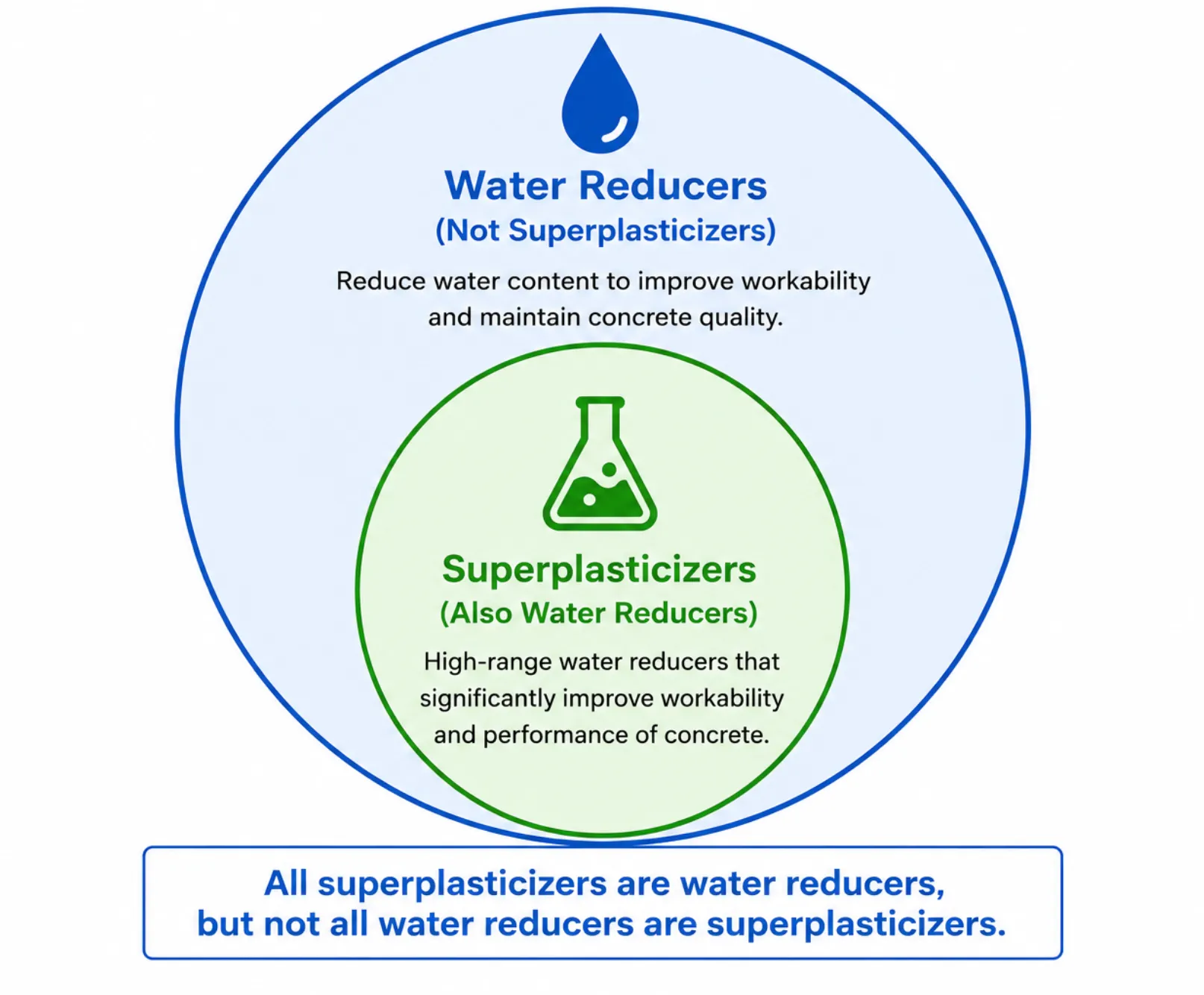
All superplasticizers are water reducers.
Not all water reducers are superplasticizers.
All superplasticizers are water reducers, but not all water reducers are superplasticizers.Superplasticizers are commonly classified as high-range water reducers under ASTM C494 Type F or Type G, while standard water reducers are usually classified as Type A.
Main Difference Between Water Reducer and Superplasticizer
The biggest difference is water reduction capacity.
Standard water reducers generally reduce water demand by:
Superplasticizers can typically reduce water demand by:
PCE reduces water demand while maintaining concrete workability and flowability.
This higher water reduction allows superplasticizers to produce:
Higher-strength concrete
Better flowability
Improved pumpability
Self-consolidating concrete
Lower permeability
Better durability
Standard water reducers are mainly used for general concrete construction where moderate workability improvement is sufficient.
Superplasticizers are used for high-performance concrete, high-strength concrete, pumped concrete, precast concrete, and structures with dense reinforcement.
Another important difference is slump performance. Superplasticizers can dramatically increase slump without increasing water content, while ordinary water reducers provide more limited slump improvement.

Simple Comparison Table: Superplasticizer vs Water Reducer
| Property | Water Reducer | Superplasticizer |
| ASTM Classification | Type A | Type F / Type G |
| Water Reduction | 5%–12% | 12%–40%+ |
| Flowability Improvement | Moderate | Very High |
| Slump Increase | Limited | Significant |
| Concrete Strength | Moderate Improvement | Major Improvement |
| Pumpability | Good | Excellent |
| Typical Applications | General concrete | High-performance concrete |
| Common Types | Lignosulfonates | PCE, Naphthalene, Melamine |
| Cost | Lower | Higher |
| Slump Retention | Moderate | Higher (especially PCE-based) |
Concrete Admixture Classification Under ASTM C494
ASTM C494 classifies chemical admixtures according to their primary functions.
Type A – Water Reducing Admixtures
Type A admixtures reduce mixing water while maintaining normal workability. Typical water reduction is around 5%–12%.
Type B – Retarding Admixtures
Type B admixtures delay the setting time of concrete. They are commonly used in hot weather and long-distance transportation.
Type D – Water Reducing and Retarding Admixtures
Type D admixtures combine water reduction and retardation. They improve workability while extending working time.
Type F – High Range Water Reducers
Type F admixtures are superplasticizers that provide high water reduction, typically 12%–40%, without significant retardation.
Type G – High Range Water Reducing and Retarding Admixtures
Type G admixtures combine superplasticizer performance with retarding effects for extended slump retention and long working time.
 Overview of ASTM C494 concrete admixture classifications, including water reducers, retarders, and superplasticizers.
What Is a Water Reducer?
Water reducing admixtures (WRA) are chemical additives that disperse cement particles inside fresh concrete. This dispersion releases trapped water and improves flowability without adding extra water to the mix.
Their main function is to reduce the amount of mixing water required while maintaining the same concrete workability and slump.
By lowering the water-cement ratio, water reducers help improve concrete strength, durability, density, and overall construction performance. They are widely used in ready-mix concrete, slabs, pavements, bridges, and general reinforced concrete structures.
Under ASTM C494, ordinary water reducers are classified as Type A water-reducing admixtures.
Compared with plain concrete, concrete containing water reducers typically has:
Lower water demand
Better workability
Reduced permeability
Improved durability
Ordinary water reducers are mainly designed for moderate water reduction and general construction applications.
 PCE superplasticizer liquid and powder used in concrete admixture and dry mix mortar applications.
Typical Water Reduction Range
Standard water reducers typically reduce water demand by:
5%–10% under normal dosage
Up to approximately 12% in optimized concrete systems
This reduction improves concrete density and strength while maintaining workable slump for placement and finishing.
Compared with superplasticizers, ordinary water reducers provide lower flowability and are generally used in conventional concrete rather than high-flow or self-consolidating concrete.
Common Types of Water Reducers
Several types of water-reducing admixtures are commonly used in concrete production.
Lignosulfonate-Based Water Reducers
Lignosulfonates are traditional water reducers derived from the wood pulp industry. They are cost-effective and widely used in standard concrete construction.
These admixtures provide moderate water reduction and improved workability, making them suitable for ready-mix concrete, slabs, pavements, and general reinforced concrete applications.
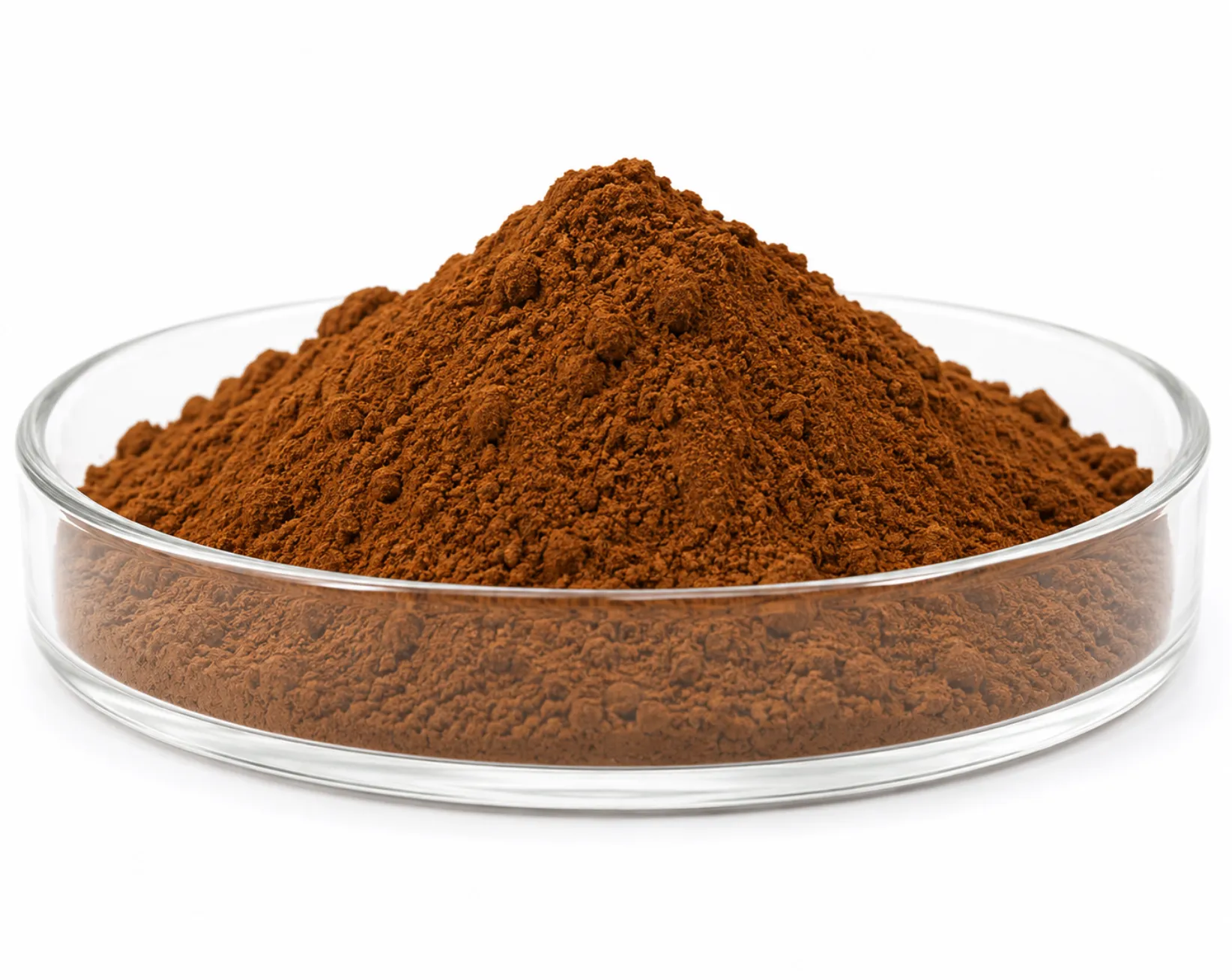 Lignosulfonate-based water reducer powder used in concrete admixtures to improve workability and reduce water demand.
Hydroxycarboxylic Acid Water Reducers
Hydroxycarboxylic acid water reducers provide stronger slump improvement compared with traditional lignosulfonates.
They improve cement particle dispersion and concrete flowability but may increase bleeding under certain conditions if dosage is not properly controlled.
What Is a Superplasticizer/High Range Water Reducer?
A superplasticizer is also called a high-range water reducer (HRWR). Its primary function is to reduce water content while maintaining or increasing concrete slump significantly.
Superplasticizers disperse cement particles much more effectively than ordinary water reducers. This allows concrete to achieve:
Higher flowability
Lower water-cement ratio
Higher compressive strength
Better pumpability
Lower permeability
Improved durability
Because of their strong dispersing capability, superplasticizers are essential in modern high-performance concrete systems.
ASTM C494 Type F and Type G
Under ASTM C494, superplasticizers are mainly classified into:
Type F – High Range Water Reducing Admixtures
Type G – High Range Water Reducing and Retarding Admixtures
Type F admixtures mainly focus on high water reduction and flowability improvement without significant retardation.
Type G admixtures combine high water reduction with retarding effects, helping maintain slump and workability for a longer period, especially in hot weather or long-distance transportation.
Typical Water Reduction Range
Superplasticizers typically reduce water demand by:
12%–40%
Sometimes even higher in optimized systems
This is significantly higher than ordinary water reducers, which usually provide only 5%–12% water reduction.
The higher water reduction allows concrete to maintain high strength while still achieving excellent workability and placement performance.
Common Types of Superplasticizers
Several types of superplasticizers are commonly used in concrete production.
Naphthalene-Based Superplasticizers
Naphthalene-based superplasticizers are traditional high-range water reducers with strong dispersion capability and relatively low cost.
They are widely used in precast concrete, pumped concrete, and high-strength concrete applications. However, their slump retention performance is generally lower than modern PCE-based superplasticizers.
 Naphthalene-based superplasticizer powder for concrete water reduction and workability improvement.
Melamine-Based Superplasticizers
Melamine-based superplasticizers provide rapid dispersion and high early strength development.
They are often used in precast concrete and applications requiring fast strength gain, although they are less commonly used today compared with PCE systems.
 SMF superplasticizer powder packaging ready for storage, transportation, and global concrete admixture supply.
Polycarboxylate Ether Superplasticizer
Polycarboxylate ether (PCE) superplasticizers are the latest generation of high-range water reducers.
Compared with traditional naphthalene and melamine systems, PCE superplasticizers provide:
Higher water reduction
Better slump retention
Lower dosage requirement
Better cement compatibility
Improved workability control
Because of these advantages, PCE-based superplasticizers are now widely used in high-performance concrete, self-consolidating concrete, ultra-high-strength concrete, and modern infrastructure construction
 KH-204 PCE liquid water reducer designed for ready-mix concrete, precast concrete, and high-strength concrete applications.
Superplasticizer vs Water Reducer: Detailed Comparison
Although both water reducers and superplasticizers are designed to reduce water demand and improve concrete workability, their performance differences are significant in practical applications.
Water Reduction Capacity
The biggest difference between water reducers and superplasticizers is the amount of water reduction they provide.
Ordinary water reducers typically reduce water demand by:
5%–12%
Superplasticizers can usually reduce water demand by:
12%–40% or more
Because of this higher reduction capability, superplasticizers are commonly used in high-strength and high-performance concrete where low water-cement ratio is critical.
Concrete Flowability and Slump
Water reducers improve concrete workability moderately, making concrete easier to place and compact under normal construction conditions.
Superplasticizers provide much higher flowability and slump increase. They can transform low-slump concrete into highly fluid concrete without adding extra water.
This high flowability is especially important for:
Pumped concrete
Self-consolidating concrete (SCC)
Dense reinforcement structures
Complex formwork
Strength Development
Both admixtures improve concrete strength by lowering the water-cement ratio.
However, superplasticizers generally produce greater strength improvement because they allow much lower water content while maintaining workability.
Concrete containing superplasticizers often achieves:
Higher early strength
Higher compressive strength
Better long-term mechanical performance
This makes superplasticizers widely used in high-strength concrete and precast applications.
Slump Retention
Ordinary water reducers provide limited slump retention and are generally suitable for short transportation and normal placement conditions.
Modern superplasticizers, especially polycarboxylate ether (PCE) systems, provide significantly better slump retention. This helps maintain concrete workability during:
Long-distance transportation
Hot weather concreting
Large pours
Delayed placement conditions

Setting Time
Standard water reducers usually have minimal influence on setting time, although some formulations may slightly retard concrete hydration.
Superplasticizers may either slightly accelerate or retard setting depending on:
Chemical composition
Cement compatibility
Dosage
Ambient temperature
Type G superplasticizers are specifically designed to combine high water reduction with retarding effects.
Durability Performance
Both water reducers and superplasticizers improve concrete durability by lowering water content and reducing permeability.
Superplasticizers generally provide better durability performance because they achieve lower water-cement ratios and denser concrete structures.
Improved durability may include:
Lower permeability
Better freeze-thaw resistance
Reduced chloride penetration
Improved chemical resistance
Lower shrinkage cracking risk
 PCE improves concrete compactness, reduces shrinkage, and enhances long-term volume stability.
Cost Difference
Ordinary water reducers are generally more economical and suitable for standard concrete construction.
Superplasticizers are more expensive because they involve more advanced chemical structures and higher-performance formulations.
However, superplasticizers can also reduce overall project costs by:
Lowering cement consumption
Improving pumping efficiency
Increasing construction speed
Reducing labor difficulty
Improving long-term durability
Steric Hindrance Mechanism in PCE Superplasticizers
Modern polycarboxylate ether (PCE) superplasticizers work not only through electrostatic repulsion, but also through steric hindrance.
Unlike traditional water reducers such as lignosulfonate or naphthalene-based superplasticizers, PCE molecules contain long polyethylene glycol side chains attached to the main polymer backbone.
After the PCE molecules adsorb onto the surface of cement particles, these long side chains extend outward into the surrounding water phase.
The side chains create physical spacing between cement particles and prevent them from approaching each other closely enough to reflocculate.
This steric hindrance effect keeps cement particles uniformly dispersed for a longer period of time, which significantly improves:
Slump retention
Flowability
Dispersion efficiency
Workability stability
Pumpability
Because PCE superplasticizers combine both electrostatic repulsion and steric hindrance mechanisms, they generally provide much higher water reduction and better slump retention than traditional superplasticizers such as SNF or SMF.
 PCE polyether side chains create steric hindrance that prevents cement particle re-agglomeration and maintains concrete fluidity.
Application Difference
When Should You Use a Water Reducer?
Water reducers are mainly used in conventional concrete applications where moderate water reduction and improved workability are required. They are cost-effective and suitable for standard construction projects that do not require extremely high flowability or very low water-cement ratios.
General Concrete Construction
Water reducers are widely used in residential, commercial, and municipal concrete construction. They improve placement performance while maintaining stable concrete quality.
Typical applications include:
Foundations
Sidewalks
Pavements
Walls
Standard reinforced concrete structures
 Typical applications of water reducers in general concrete construction projects.
Slabs and Curbs
Concrete slabs and curbs require good finishing performance and stable workability. Water reducers help improve surface finishing while reducing excessive water content that may cause shrinkage or cracking.
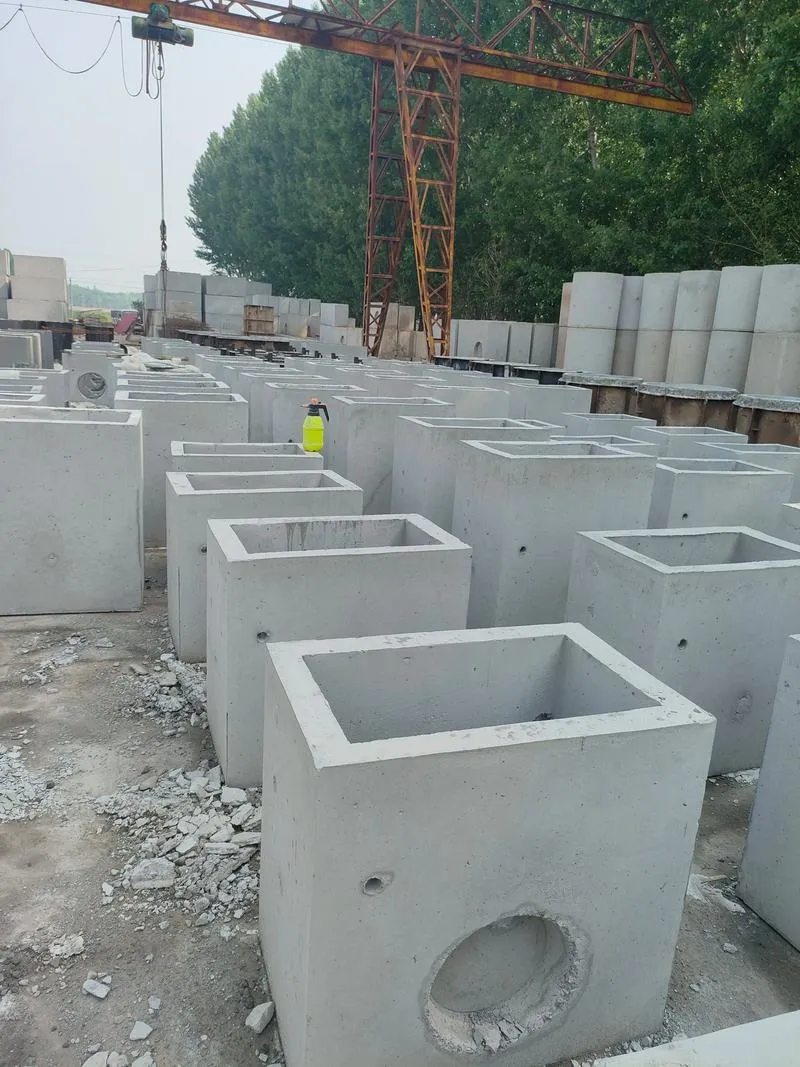 Precast concrete curb inlets and catch basins for urban drainage and stormwater management systems
Ready-Mix Concrete
In ready-mix concrete production, water reducers help maintain consistent slump and improve batching stability. They also improve transportation performance during short to medium delivery distances.
Hot Weather Concrete
High temperatures accelerate cement hydration and reduce concrete workability. Water reducers help maintain proper slump while lowering water demand, reducing the risk of rapid drying and shrinkage cracking.
Pumping Concrete
Water reducers improve concrete lubrication and reduce pumping resistance. For moderate pumping distances and standard pumping pressure, ordinary water reducers are often sufficient.
 Concrete pumping process using water reducers to improve lubrication and reduce pumping resistance.
Tremie Concrete
Tremie concrete used in underwater construction requires stable flowability and reduced segregation. Water reducers help improve placement consistency without excessively increasing water content.
When Should You Use a Superplasticizer?
Superplasticizers are used when concrete requires very high flowability, high strength, low water-cement ratio, or long slump retention. Compared with ordinary water reducers, they are more suitable for demanding engineering and high-performance concrete applications.
High-Performance Concrete
High-performance concrete requires excellent strength, durability, and low permeability. Superplasticizers allow significant water reduction while maintaining workable slump.
High-Strength Concrete
Producing high-strength concrete requires a very low water-cement ratio. Superplasticizers make it possible to maintain flowability even at low water content.
Self-Consolidating Concrete
Self-consolidating concrete (SCC) requires extremely high flowability so that concrete can flow and compact under its own weight without vibration.
Superplasticizers, especially PCE-based systems, are essential for SCC production.
Pumped Concrete
For long-distance or high-pressure pumping, superplasticizers greatly improve pumpability and reduce pumping resistance.
They are widely used in:
High-rise pumping
Tunnel construction
Large infrastructure projects
 Railway and metro tunnel construction using high-performance reinforced concrete systems.
Dense Reinforcement Structures
Structures with congested reinforcement require highly fluid concrete to ensure proper filling and compaction. Superplasticizers improve concrete flow into narrow spaces and reduce honeycombing risk.
Precast Concrete
Precast concrete production often requires:
High early strength
Fast mold turnover
Smooth surface finish
Consistent workability
Superplasticizers help improve production efficiency and concrete quality in precast manufacturing.
 Transportation of large precast concrete bridge components for infrastructure construction projects.
Learn More About Precast Concrete
What is Precast Concrete? Its Types, Advantages, and Applications
Bridge and High-Rise Construction
Modern bridges and high-rise buildings often use high-strength and pumped concrete systems. Superplasticizers provide the high flowability and low water-cement ratio needed for these demanding structural applications.
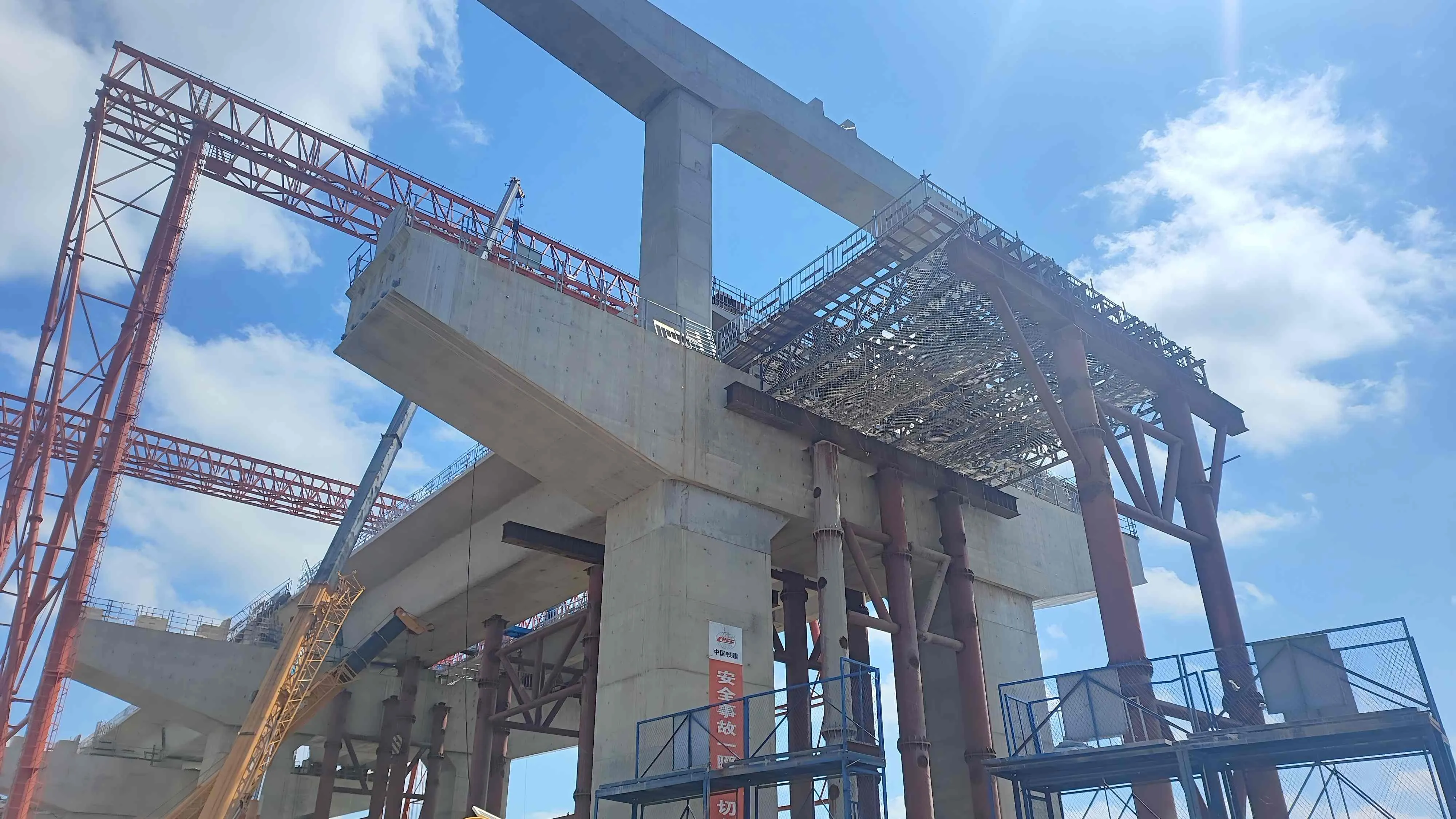
 Bridge and viaduct infrastructure construction using reinforced concrete structural systems.
Conclusion
Water reducers and superplasticizers both improve concrete workability and reduce water demand, but superplasticizers provide much higher water reduction, flowability, and strength performance for demanding concrete applications.
Choosing the right admixture depends on concrete strength requirements, pumping conditions, slump retention needs, and project complexity.
As a professional manufacturer of concrete admixtures and PCE superplasticizers, Huaxuan High-Tech provides customized solutions for ready-mix concrete, precast concrete, bridges, tunnels, and high-performance concrete projects worldwide.
PCE Superplasticizer Liquid and Powder Manufacturer from China
Related Reading
For a broader overview of definitions, density, chemistry, product forms and selection, read What Is a Superplasticizer? Definition, Density, Types and Concrete Use.
How Does Superplasticizer Work in Concrete?
Polycarboxylate Superplasticizer Powder: Uses, Dosage, Storage and Compatibility
Polycarboxylate Superplasticizer Flake: Applications, Advantages and Solution Preparation
Polycarboxylate Superplasticizer Flake Product
PCE vs Naphthalene Superplasticizer: Key Differences
Types of Superplasticizers in Concrete
How Much Superplasticizer Should Be Added to Concrete?
Concrete Superplasticizer Market: Size, Trends, Segmentation, Key Players & Future Outlook