July 30, 2026

Quick Answer
The main difference between plasticizer and superplasticizer in concrete is water-reduction capability and achievable workability.
| Factor | Plasticizer | Superplasticizer |
|---|---|---|
| Definition | Conventional/normal water reducer (WR) | High-Range Water Reducer (HRWR) |
| Typical Water Reduction | 5–15% | 12–40%+ depending on chemistry and dosage |
| Primary Mechanism | Mainly electrostatic dispersion | Electrostatic repulsion + steric hindrance (especially PCE systems) |
| Flowability | Moderate slump improvement | High slump / high flowability / flowing concrete |
| Slump Retention | Usually limited | Stronger retention, particularly with PCE-based HRWRs |
| Water–Cement Ratio Capability | Moderate reduction | Supports much lower W/C ratios |
| Strength Potential | Moderate compressive strength improvement | Higher strength potential through lower W/C ratios; commonly used in high-strength concrete |
| Durability Impact | Standard durability improvement | Reduced porosity and permeability; improved resistance to water penetration, chlorides, and freeze–thaw exposure |
| Dosage Behavior | Moderate dosage range | More chemistry-dependent; performance can be dosage-sensitive |
| Cost | Lower initial cost | Higher cost, but often justified in HPC / SCC systems |
| Compatibility Dependence | Generally broad compatibility | More sensitive to cement chemistry, sulfate balance, and SCM systems |
| Typical Applications | Standard concrete, slabs, pavements, mortar, general ready-mix | HPC, SCC, precast, pumped concrete, bridges, tunnels, high-rise construction |
| Concrete Placement Ability | Suitable for conventional placement | Suitable for dense reinforcement, long pumping, and self-compacting placement |
| ASTM Classification | Typically associated with ASTM C494 Type A (water reducer) | Typically associated with ASTM C494 Type F or Type G (high-range water reducer) |
 Liquid and powder PCE samples used for concrete admixture and cement material applications.
Important Terminology Note — What Does “Plasticizer” Mean Here?
The term plasticizer can have different meanings depending on the industry.
In concrete technology, however, plasticizer usually refers to a conventional water-reducing admixture used to improve workability while lowering water demand.
By contrast, superplasticizer generally refers to a high-range water reducer (HRWR). Under ASTM C494, HRWRs are commonly classified as Type F (high-range water reducer) and Type G (high-range water reducer and retarder)
In this article, “plasticizer” refers specifically to concrete water-reducing admixtures, not polymer plasticizers.
Why Concrete Uses Water-Reducing Admixtures
Water Improves Flow — But Too Much Water Weakens Concrete
Concrete is mainly made of cement, aggregates, and water.
Water is necessary for cement hydration and concrete workability. Increasing water content usually improves mixing, pumping, and placement.
However, excess water creates additional capillary pores after hydration. Higher porosity generally leads to lower compressive strength, higher permeability, and reduced durability
This creates a core concrete design challenge:
Good workability vs low water–cement ratio.
Instead of adding extra water to improve flow, concrete producers often use water-reducing admixtures.
This is where plasticizers (conventional water reducers) and superplasticizers (high-range water reducers, HRWRs) come into play.
 Water improves concrete workability, but excessive water weakens concrete. Water-reducing admixtures such as plasticizers and superplasticizers help achieve good flowability with lower water–cement ratios.Want to know more about Why Is Superplasticizer Added to Concrete? Functions, Uses & Advantages
What Is a Plasticizer?
In concrete technology, the term “plasticizer” usually refers to a conventional water-reducing admixture.
Its main function is to improve concrete workability while lowering water demand.
Conventional plasticizers typically achieve approximately 5–15% water reduction, depending on chemistry, dosage, and concrete mix design
How Plasticizers Work
Plasticizers work mainly through cement particle dispersion.
After addition, plasticizer molecules adsorb onto cement particle surfaces, introducing electrostatic repulsion between particles.
This reduces cement flocculation, improves particle mobility, and releases water trapped inside cement agglomerates
As a result, concrete can maintain similar workability with less mixing water.

Key Characteristics of Plasticizers
Plasticizers typically provide:
– Moderate water reduction: approximately 5–15%
– Improved workability: easier mixing, placing, and finishing
– Better pumpability: reduced internal friction during transport and placement
– Lower cost: generally more economical than HRWR systems
– Broad cement compatibility: commonly used with standard Portland cement systems
Common Types of Plasticizers
| Type | Characteristics |
|---|---|
| Lignosulfonate | Traditional plasticizer chemistry used since the 1930s. Derived mainly from sulfite pulping byproducts. Typically delivers approximately 5–12% water reduction at conventional dosages and functions primarily through electrostatic dispersion of cement particles. Widely used in general concrete, mortar, and plaster systems because of relatively low cost and broad practicality |
| Hydroxycarboxylic Acid Systems | Conventional water-reducer family commonly associated with moderate water reduction, improved workability, and normal-range concrete production. Typically used where moderate slump improvement is needed without HRWR-level flowability. Frequently positioned within ASTM C494 Type A water-reducing admixture applications. |
| Modified Sugar / Organic Systems | Traditional plasticizer-related chemistries used in selected concrete and mortar formulations. Generally provide moderate water reduction and workability enhancement, with formulation-dependent effects on setting behavior and slump retention. |
Limitations of Plasticizers
Although plasticizers improve workability and reduce water demand, they have practical limitations.
– Limited fluidity: typically insufficient for very high slump or self-flowing concrete.
– Limited slump retention: workability may decrease during long transport or delayed placement.
– Unsuitable for SCC: conventional plasticizers generally cannot provide the flowability required for self-compacting concrete (SCC).
Typical Applications
Plasticizers are commonly used in:
– residential concrete
– slabs and foundations
– pavements and sidewalks
– mortar and plaster systems
– standard ready-mix concrete
– general commercial construction
These applications usually require moderate water reduction, standard workability, and cost control, rather than SCC-level flowability or high-performance concrete systems.
What Is a Superplasticizer?
Definition
A superplasticizer is a High-Range Water Reducer (HRWR) used to produce concrete with substantially lower water demand and significantly higher flowability.
Compared with conventional plasticizers, superplasticizers typically achieve approximately 12–40% water reduction, depending on admixture chemistry, dosage, cement system, and mix design
Because they allow concrete to maintain workability at much lower water–cement ratios, superplasticizers are widely used in:
- high-strength concrete (HSC)
- self-compacting concrete (SCC)
- precast concrete
- pumped concrete
- high-performance infrastructure systems
Under ASTM C494, superplasticizers are commonly associated with:
- Type F— High-Range Water Reducer (HRWR)
- Type G— High-Range Water Reducer and Retarder (HRWR + retarding effect)
 Overview of ASTM C494 concrete admixture classifications, including water reducers, retarders, and superplasticizers.
Key Characteristics of Superplasticizers
Superplasticizers are designed for concrete systems that require high workability at low water–cement ratios.
Typical characteristics include:
– Very high water reduction: commonly 12–40%+, depending on chemistry, dosage, and mix design
– Excellent flowability: capable of producing high-slump, highly workable concrete without adding extra water.
– Lower water–cement ratio: supports dense cement paste and reduced capillary porosity.
– High strength potential: lower W/C ratios are associated with higher compressive strength development.
– Durability improvement: reduced permeability can improve resistance to water penetration, chlorides, and freeze–thaw exposure.
Types of Superplasticizers
| Property | Naphthalene-Based(SNF) | Melamine-Based (SMF) | Sulfamic Acid-Based | Aliphatic Superplasticizers | Polycarboxylate Superplasticizers (PCE) |
|---|---|---|---|---|---|
| Generation | Second Generation | Second Generation | Second Generation | Second Generation | Third Generation |
| Main Chemical Base | Sulfonated Naphthalene Formaldehyde Condensate | Sulfonated Melamine Formaldehyde Condensate | Sulfonated Aromatic Compounds | Aliphatic Sulfonate Compounds | Polycarboxylate Ether Polymer |
| Typical Water Reduction Rate | 15%–25% | 18%–25% | 20%–30% | 15%–25% | 25%–40% |
| Typical Dosage | 0.2%–1.5% | 0.5%–2.0% | 0.3%–0.8% | 0.3%–1.0% | 0.1%–0.5% |
| Slump Retention | Moderate | Moderate | Moderate to Good | Moderate | Excellent |
| Early Strength Performance | Moderate | Excellent | Moderate | Moderate | Excellent |
| Main Dispersion Mechanism | Electrostatic Repulsion | Electrostatic Repulsion | Electrostatic Repulsion | Electrostatic Repulsion | Electrostatic Repulsion + Steric Hindrance |
| Main Advantages | Cost-effective Mature technology | Excellent early strength | High water reduction | Simple production process | Highest water reduction Best slump retention |
| Main Disadvantages | Faster slump loss | Higher cost than SNF | High production cost | Limited practical applications | Sensitive to cement compatibility Sensitive to clay content |
| Typical Applications | Pumped concrete Precast concrete | Precast concrete Repair materials | High-strength concrete | Ordinary concrete | SCC UHPC HSC Self-leveling mortar |
| Environmental Performance | Moderate | Moderate | Moderate to Low | Moderate | Excellent |
| Typical Slump Retention Time | 30–60 min | 30–60 min | 45–90 min | 30–60 min | 60–120+ min |
| Compatibility With Modern Concrete Systems | Moderate | Moderate | Moderate | Moderate | High |
| Suitability for SCC/UHPC | Limited | Limited | Moderate | Poor | Excellent |
| Cost Level | Medium | Medium to High | High | Medium | Medium to High |
Limitations of Superplasticizers
Although superplasticizers provide high water reduction and excellent workability, they also have practical limitations.
- Higher cost: superplasticizers generally cost more than conventional plasticizers, particularly modern PCE-based systems.
- Dosage sensitivity: performance can change significantly with small dosage adjustments. Underdosing may provide limited benefit, while overdosing may alter setting behavior and fresh concrete stability.
- Compatibility dependence: performance depends strongly on cement chemistry, sulfate balance, supplementary cementitious materials (SCMs), and aggregate conditions. The same admixture may behave differently across cement systems (ACI 212.3R)
- Segregation or retardation risk if overdosed: excessive HRWR dosage can increase the risk of bleeding, segregation, and delayed setting, particularly during redosing or poorly optimized mix designs
Because of these factors, trial mixes and compatibility testing are typically recommended before large-scale production or field application.
Plasticizer vs Superplasticizer: Key Differences
| Factor | Plasticizer | Superplasticizer |
|---|---|---|
| Definition | Conventional/normal water reducer (WR) | High-Range Water Reducer (HRWR) |
| Typical Water Reduction | 5–15% | 12–40%+ depending on chemistry and dosage |
| Primary Mechanism | Mainly electrostatic dispersion | Electrostatic repulsion + steric hindrance (especially PCE systems) |
| Flowability | Moderate slump improvement | High slump / high flowability / flowing concrete |
| Slump Retention | Usually limited | Stronger retention, particularly with PCE-based HRWRs |
| Water–Cement Ratio Capability | Moderate reduction | Supports much lower W/C ratios |
| Strength Potential | Moderate compressive strength improvement | Higher strength potential through lower W/C ratios; commonly used in high-strength concrete |
| Durability Impact | Standard durability improvement | Reduced porosity and permeability; improved resistance to water penetration, chlorides, and freeze–thaw exposure |
| Dosage Behavior | Moderate dosage range | More chemistry-dependent; performance can be dosage-sensitive |
| Cost | Lower initial cost | Higher cost, but often justified in HPC / SCC systems |
| Compatibility Dependence | Generally broad compatibility | More sensitive to cement chemistry, sulfate balance, and SCM systems |
| Typical Applications | Standard concrete, slabs, pavements, mortar, general ready-mix | HPC, SCC, precast, pumped concrete, bridges, tunnels, high-rise construction |
| Concrete Placement Ability | Suitable for conventional placement | Suitable for dense reinforcement, long pumping, and self-compacting placement |
| ASTM Classification | Typically associated with ASTM C494 Type A (water reducer) | Typically associated with ASTM C494 Type F or Type G (high-range water reducer) |
Plasticizer vs Superplasticizer: Water Reduction Difference
The most direct difference between plasticizers and superplasticizers is water reduction capability.
| Admixture Type | Typical Water Reduction |
|---|---|
| Plasticizer (Conventional WR) | 5–15% |
| Traditional Superplasticizer (SNF / SMF) | 15–25% |
| PCE Superplasticizer | 20–40%+ depending on formulation and dosage |
Higher water reduction allows concrete to maintain workability at a lower water–cement ratio (W/C). Lower W/C ratios are generally associated with higher compressive strength, lower permeability, and denser microstructure
Plasticizer vs Superplasticizer: Workability & Slump Behavior
Flowability
Plasticizers improve concrete workability moderately and are suitable for standard placement conditions.
Superplasticizers can produce high-slump or flowing concrete without adding extra water.
This is important for dense reinforcement, narrow formwork, and complex placement conditions
 Flowing concrete fills dense reinforcement zones more effectively, supporting complex placement conditions without adding excess water.
Pumpability
Plasticizers can improve pumping performance in ordinary concrete systems.
Superplasticizers are more commonly used in long-distance or high-elevation pumping, where lower internal friction and higher flowability are required. PCE systems are widely used in pumped concrete because they can combine high slump with lower water demand.
 Superplasticizers, especially PCE systems, improve pumpability by combining high flowability, lower internal friction, and reduced water demand in pumped concrete.
SCC Suitability
Self-compacting concrete (SCC) requires concrete to flow under its own weight through congested reinforcement without vibration.
Conventional plasticizers generally cannot provide sufficient flowability for SCC production.
Superplasticizers—especially PCE-based systems—are widely used in SCC because they can support high slump flow with low segregation risk
 Self-compacting concrete (SCC) requires high flowability, passing ability, and low segregation risk. PCE superplasticizers are widely used to meet SCC performance requirements.
Slump Retention
Plasticizers usually provide limited workability retention during long transport or delayed placement.
Traditional HRWRs such as SNF may show faster slump loss in some systems.
PCE superplasticizers are often formulated for extended slump retention, making them suitable for ready-mix transport, pumped concrete, and large construction pours
 PCE superplasticizers are commonly formulated for extended slump retention, supporting ready-mix transport, pumped concrete, and large concrete pours.
Plasticizer vs Superplasticizer: Strength & Durability Effects
Compressive Strength
Because superplasticizers allow lower water–cement ratios, they generally support higher compressive strength potential than conventional plasticizers.
 Superplasticizers help increase concrete strength by reducing water demand, improving particle dispersion, and creating a denser concrete structure.
Density & Porosity
Reducing mixing water decreases capillary pore formation after hydration.
Lower porosity typically produces denser concrete microstructures, which is one reason HRWR systems are widely used in high-strength and high-performance concrete.
 Lower water–cement ratios produce denser concrete microstructures with reduced pore connectivity, lower water ingress, and improved permeability resistance.
Permeability Resistance
Concrete produced at lower W/C ratios generally shows reduced permeability and water penetration, improving durability in wet, underground, and infrastructure environments
Chloride / Corrosion Resistance
Lower permeability can reduce chloride ion ingress, helping protect reinforcing steel against corrosion.
For reinforced concrete exposed to marine environments, de-icing salts, or coastal exposure, lower-porosity concrete is often preferred.
Freeze–Thaw Durability
Dense concrete with reduced water penetration generally performs better under freeze–thaw cycling, provided the mix design also includes appropriate air-void systems where required
When Should You Use Plasticizer vs Superplasticizer?
The choice depends on strength requirement, workability demand, transport conditions, and project complexity.
Use Plasticizer If
Plasticizers are usually sufficient when the project requires standard concrete performance with moderate water reduction.
Typical situations include:
- normal concrete grades
- cost-sensitive projects
- standard strength requirements
- short transport distances
- simple placement conditions
Common examples:
- sidewalks and pavements
- residential slabs
- ordinary foundations
- mortar and plaster systems
- standard ready-mix concrete
In these applications, conventional plasticizers can typically provide ~5–15% water reduction and improved workability without the higher cost of HRWR systems
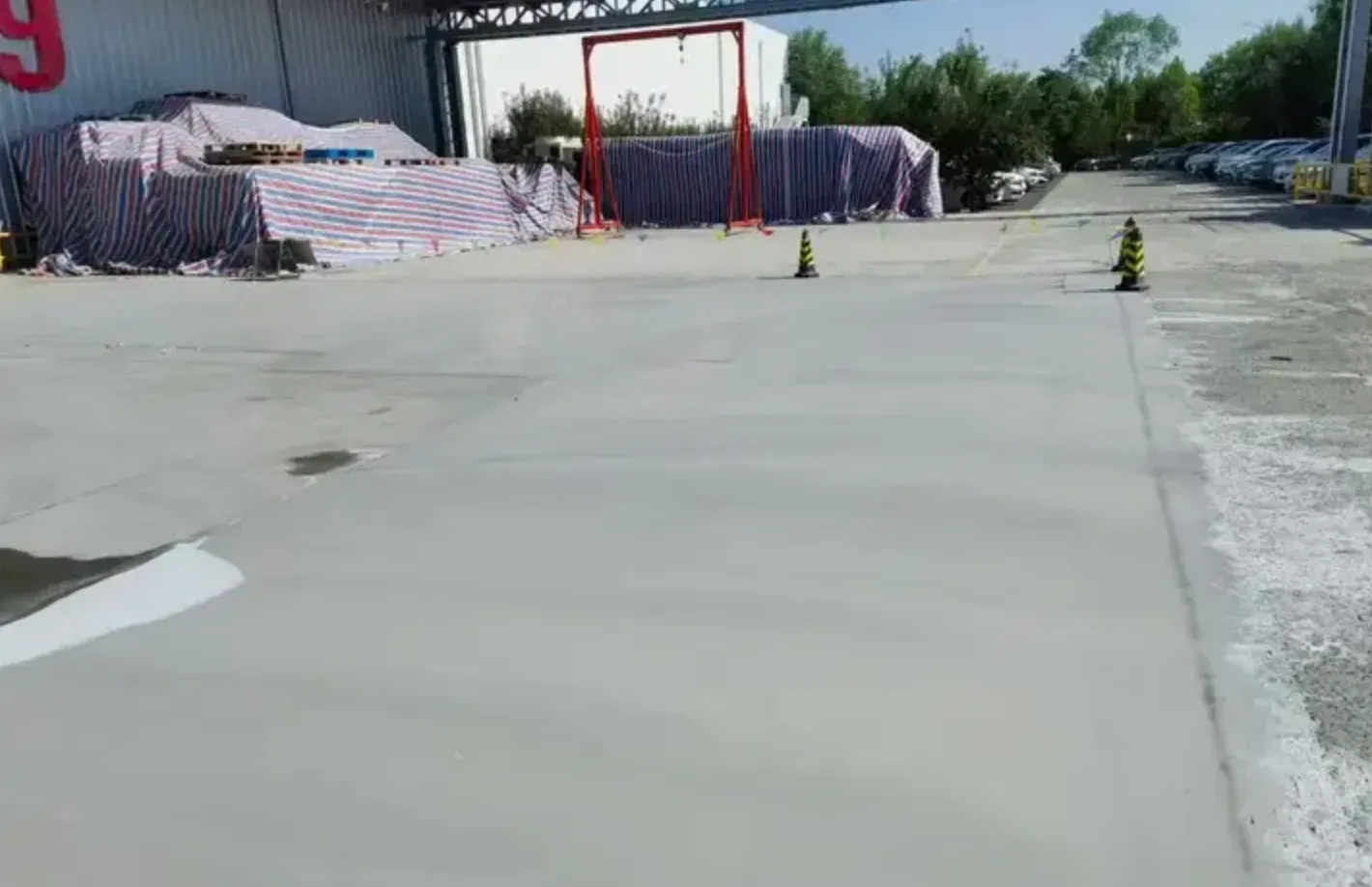
 Standard concrete systems are widely used in sidewalks, pavements, residential slabs, foundations, mortar applications, and ready-mix concrete construction.
Use Superplasticizer If
Superplasticizers are generally preferred when the project requires low water–cement ratios, high flowability, or advanced concrete performance.
Typical situations include:
- high-strength concrete
- self-compacting concrete (SCC)
- precast concrete
- dense reinforcement
- long-distance or high-elevation pumping
- large infrastructure projects
Common examples:
- bridges
- tunnels
- high-rise buildings
- marine concrete
- precast plants
- pumped concrete systems
These projects often require 12–40% water reduction, extended workability, or SCC-level flowability that conventional plasticizers usually cannot provide
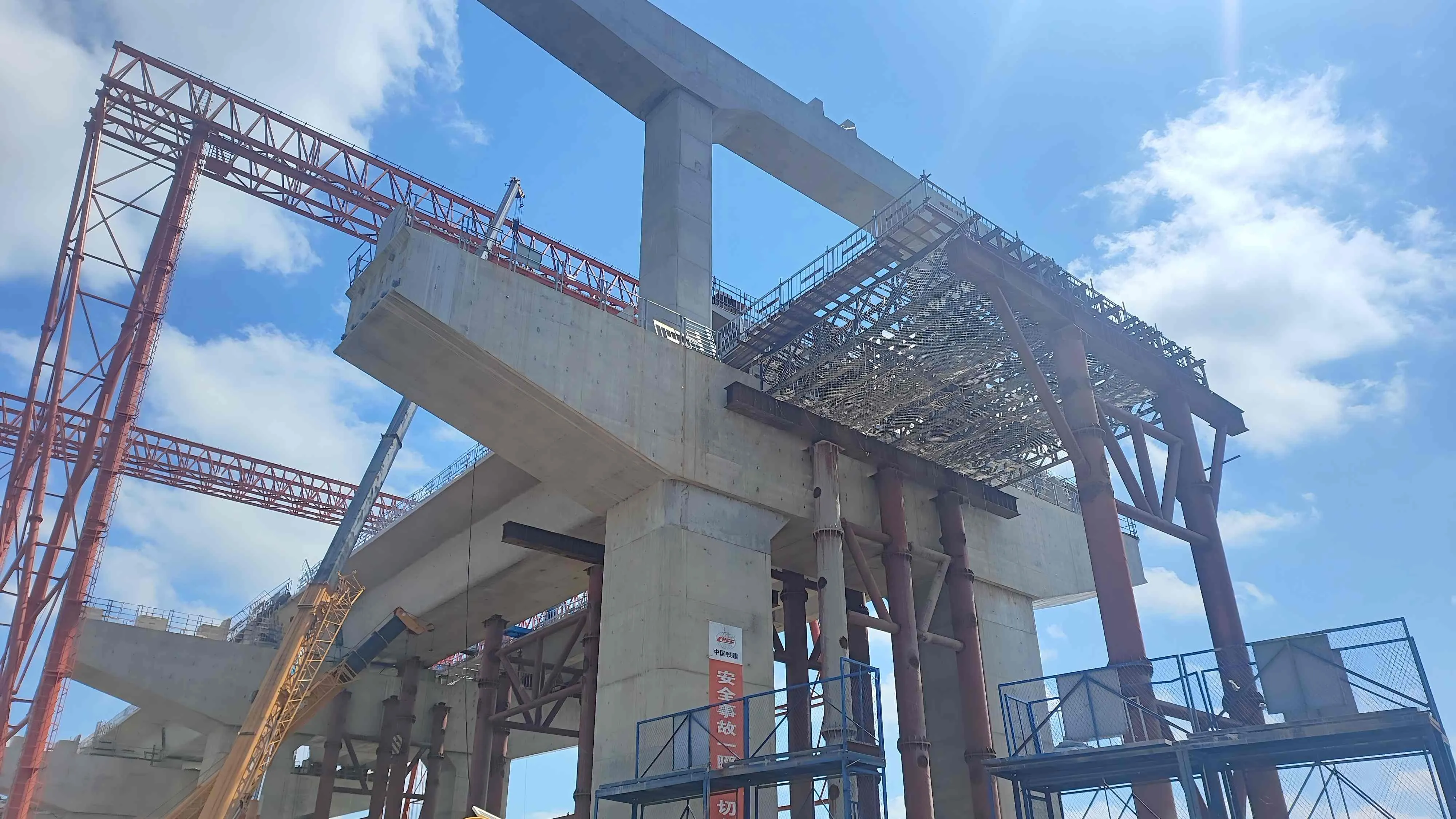
 High-performance concrete systems are widely used in bridges, tunnels, marine structures, precast plants, high-rise construction, and pumped concrete applications
FAQ
Is plasticizer the same as superplasticizer?
No. In concrete technology, plasticizer usually refers to a conventional water reducer, while superplasticizer refers to a high-range water reducer (HRWR) with stronger water reduction and flowability.
What is the difference between water reducer and superplasticizer?
A conventional water reducer typically provides ~5–15% water reduction, while a superplasticizer usually provides ~12–40%+, depending on chemistry and dosage
Which one is better for high-strength concrete?
Superplasticizers are generally preferred for high-strength concrete because they support lower water–cement ratios while maintaining workability.
Does superplasticizer always increase concrete strength?
Not necessarily. Strength improvement usually comes from lower water content, improved cement dispersion, and reduced porosity, not from the admixture itself.
Is PCE a plasticizer or a superplasticizer?
PCE (polycarboxylate ether) is a superplasticizer / HRWR. It is widely used because of its strong dispersion, high water reduction, and improved slump retention.
Can plasticizer and superplasticizer be used together?
Sometimes, but not automatically. Combined use should be verified through compatibility testing and trial mixes because admixture interactions can affect slump, setting, and stability.
Conclusion
Plasticizers and superplasticizers both improve concrete workability by reducing water demand, but they serve different performance targets.
Plasticizers are conventional water reducers typically used in standard concrete applications, where moderate workability improvement, conventional strength levels, and cost control are the primary goals.
Superplasticizers are high-range water reducers (HRWRs) designed for high-strength concrete, SCC, precast systems, pumped concrete, and other high-performance applications that require lower water–cement ratios and higher flowability.
Among modern HRWR technologies, PCE-based systems are increasingly used in advanced concrete applications because they can deliver 20–40%+ water reduction, stronger cement dispersion, and improved slump retention, depending on formulation and concrete system
Looking for polycarboxylate superplasticizer solutions for ready-mix concrete, precast systems, SCC, pumped concrete, or high-strength concrete?
Huaxuan High-Tech supplies PCE liquid, powder, and flake admixture solutions with support for dosage optimization, cement compatibility testing, slump retention adjustment, and customized concrete formulations. Contact our technical team to discuss your concrete system requirements.
Related Reading
- What Is a Superplasticizer?
- How to Add Superplasticizer to Concrete
- Does Superplasticizer Increase Compressive Strength?
- Superplasticizer vs Water Reducer: Key Differences and Uses
- PCE Powder vs Liquid: Differences, Advantages and Selection Guide
- Polycarboxylic Acid Water Reducer Explained: Properties, Types, Uses & Advantages
- PC-Based Concrete Superplasticizer Market: Size, Trends & Outlook
- Mid-Range vs High-Range Water Reducer: Differences, Applications & Selection Guide
- Polycarboxylate Ether Superplasticizer: Mechanism, Properties and Performance